
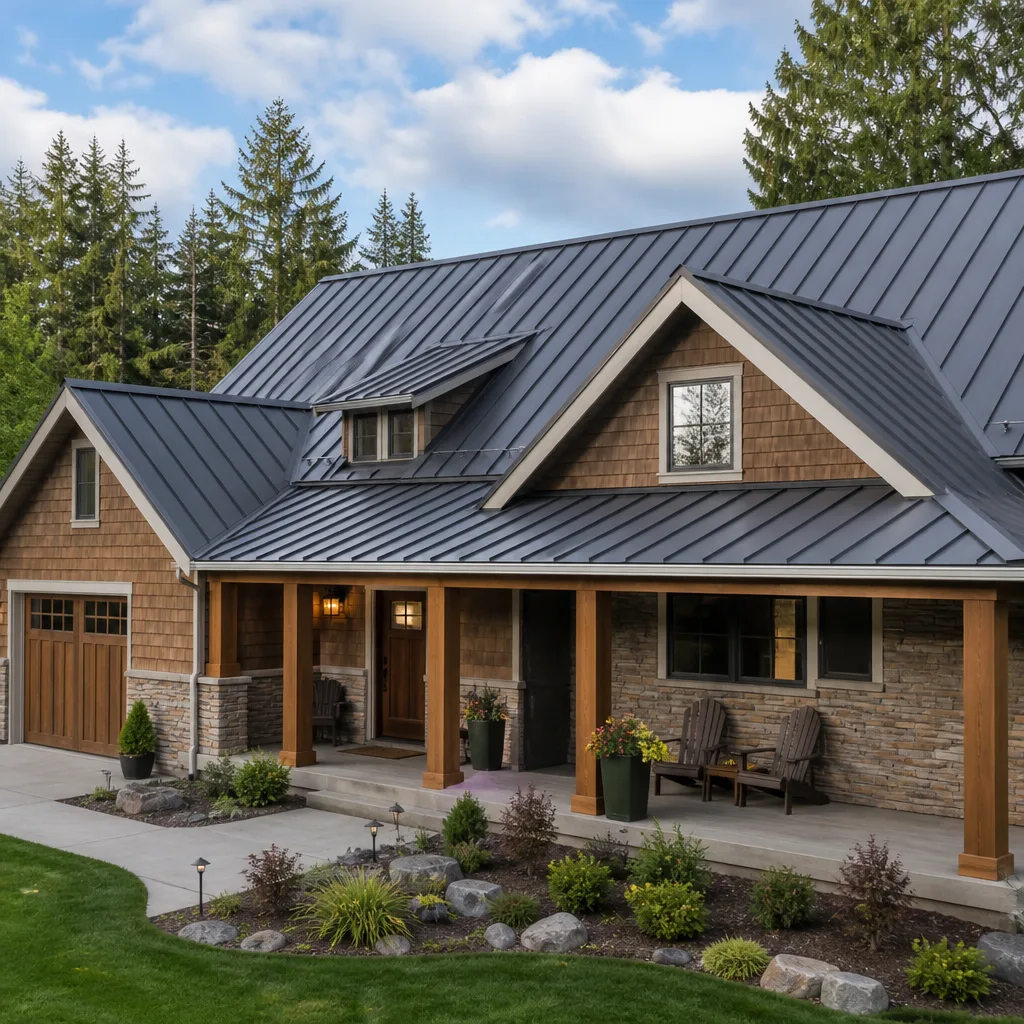
 Metal roofing
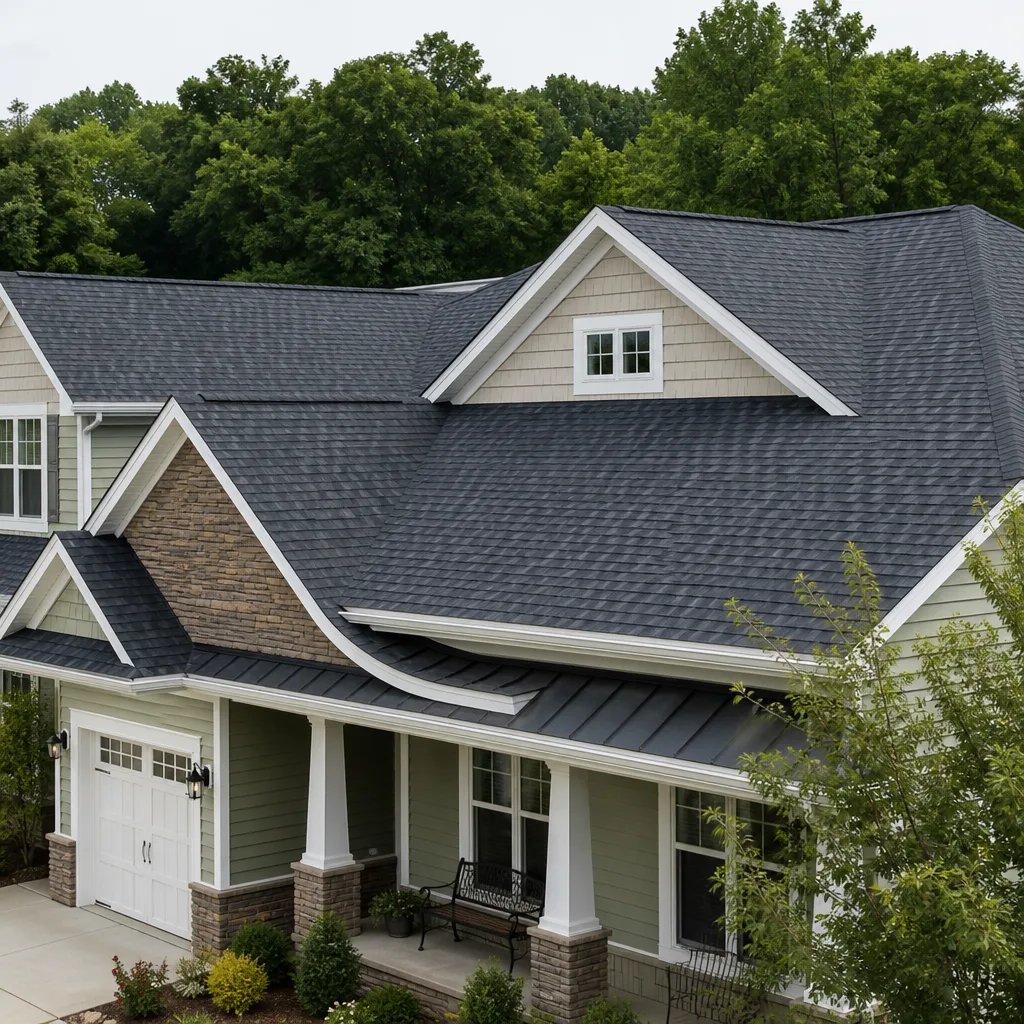
 Architectural shingles
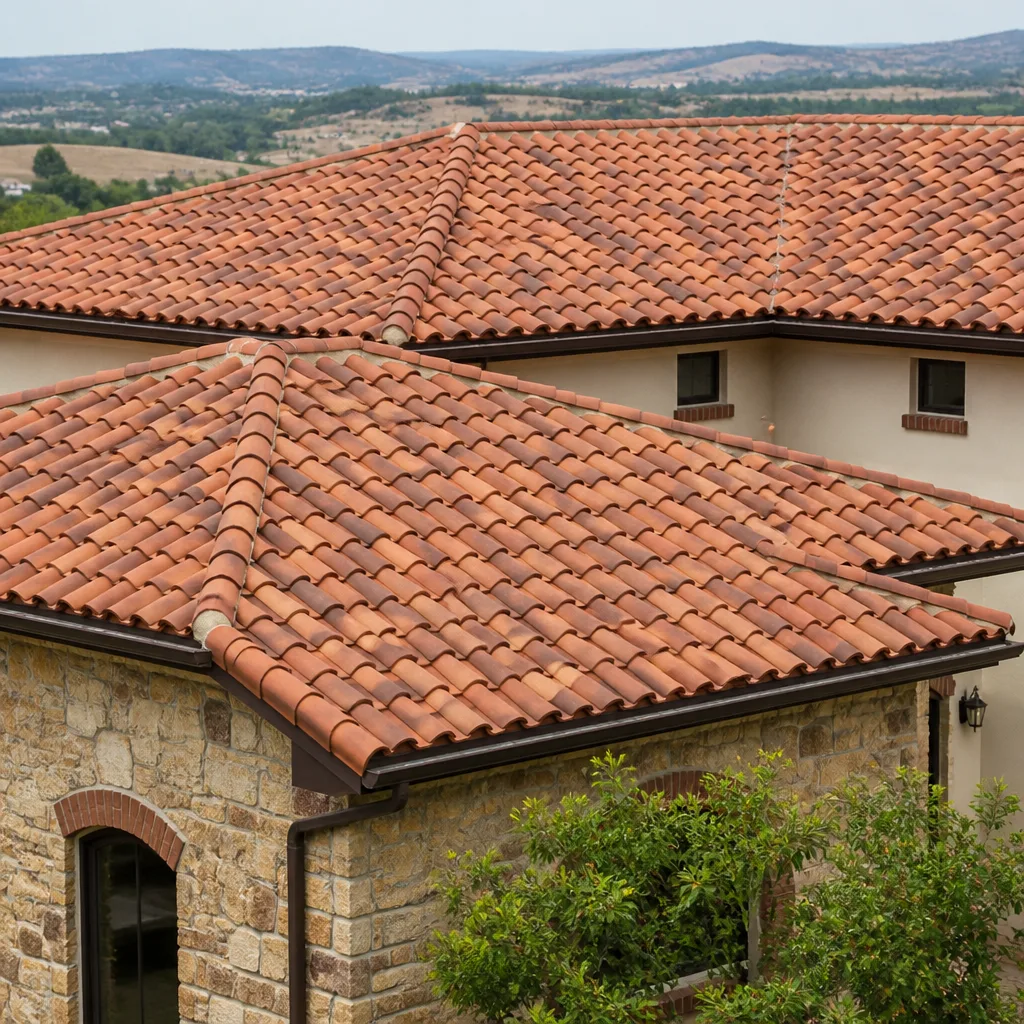 Tile roofing
 GAF
GAF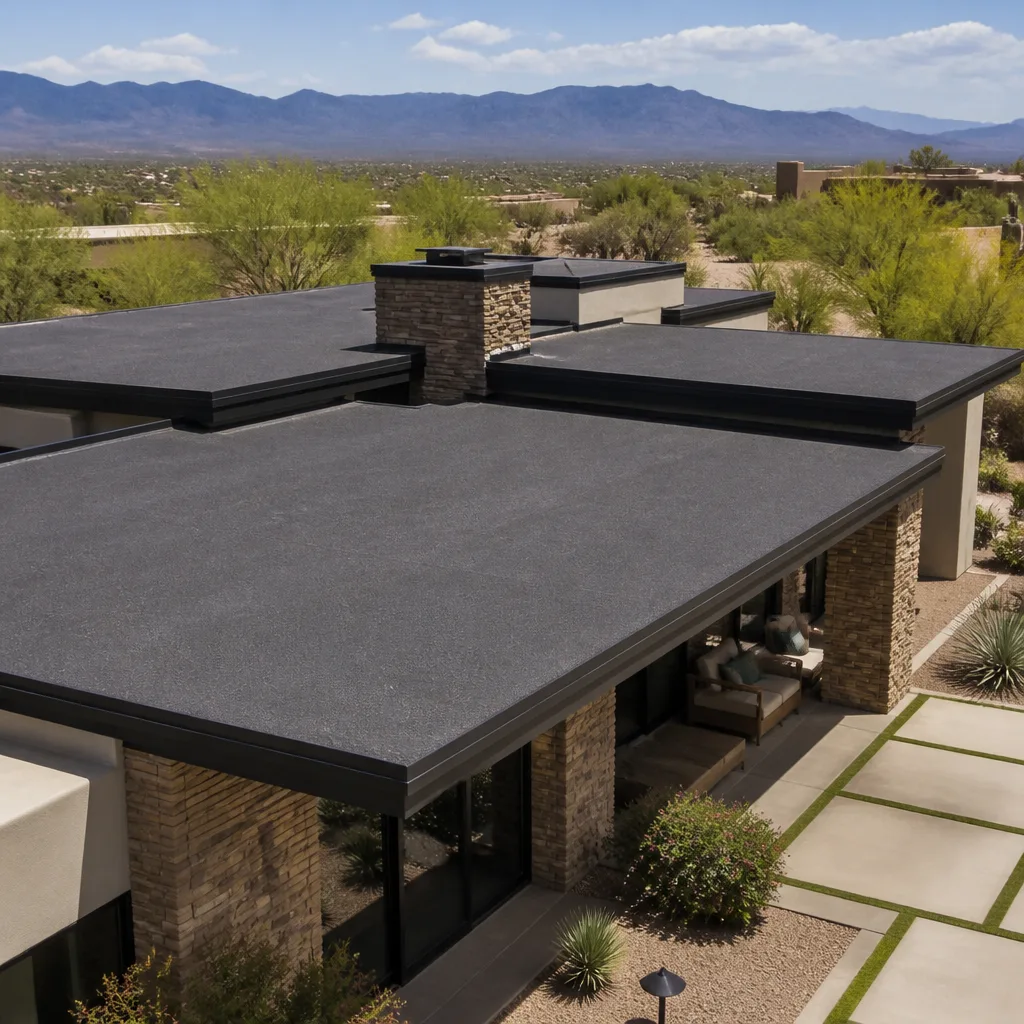 Flat & low-slope
Free roof inspection with deck photos before we talk money - GAF and Owens Corning certified installation
CertainTeed Ridge Vent Installation: The Thousand Oaks Owner’s Guide
We install and replace CertainTeed ridge vents throughout Thousand Oaks, with most jobs running between $380 and $625 for a standard single-family home. The vent itself, the shingle caps, the nails, and the labor are all included in that number. Most owners discover the problem the same way: a ceiling stain near an exterior wall, or granules piling up in the gutter after a Santa Ana wind event, and the ridge vent is quietly the culprit.
A ridge vent is the exhaust half of your attic’s breathing system. When it fails, heat and moisture sit up there and start working against your roof deck. Here’s the part that catches most Thousand Oaks homeowners off guard: the vent material rarely fails first. What fails is the installation around it, or the shingle caps that cover the vent from the weather. We’ll get to exactly what to look for below.
Which CertainTeed Models This Applies To
CertainTeed makes a few ridge vent lines, and they’re not interchangeable. Most homes we work on in Thousand Oaks have one of three: ShingleVent II, ShingleVent II Glide, or VentRidge. The ShingleVent II is the workhorse you’ll see on most composition shingle roofs in Thousand Oaks. It’s a black plastic mesh panel that runs the length of the ridge and gets capped with shingles. The Glide version is the same profile with a self-adhesive underside for faster install and better sealing on the leading edge.
VentRidge is a completely different animal. It’s a rigid vent with a baffle system and a higher net free area rating per linear foot. If your home has a cathedral ceiling or a hip roof with a short ridge line, VentRidge is often what’s up there, because it moves more air per foot.
If you don’t know which one you have, and you’d rather not climb up on the roof to read a label (a good instinct, honestly), here’s the quickest tell: measure the width of the black plastic you can see under the shingle caps. ShingleVent II is 11.25 inches wide before the caps go on. VentRidge is closer to 9 inches installed, and it has a more pronounced profile with visible vent slots you can see from the ground on a clear day.
We recommend OEM CertainTeed vents for any repair, not aftermarket equivalents. The aftermarket options are usually fine, but the nail line placement and the net free area don’t always match the original spec. On a roof in Thousand Oaks where summer attic temps can sit at 140 degrees, the airflow math matters. We stock ShingleVent II on our trucks; VentRidge usually takes a day to source from our Thousand Oaks supplier.
Styles & brands we work with
Signs Your CertainTeed Ridge Vent Installation Is Failing
Here’s what we actually see on Thousand Oaks roofs when a ridge vent install goes wrong or wears out, and what’s underneath each symptom:
- Lifted or missing shingle caps along the ridge line. The caps are what protect the vent from direct rain and sun. Once the adhesive strip fails (heat cycling off the Santa Monica Mountains is brutal on asphalt), the caps loosen, and water starts finding the nail holes that were supposed to be sealed.
- Dark, damp-looking plywood around the ridge from inside the attic. The vent is letting moisture in instead of out. This usually means the underlayment at the ridge was cut back too far, or the vent wasn’t overlapped properly where two panels meet. It starts as condensation, then becomes a slow drip.
- Granules from the caps accumulating in gutters or at downspout elbows. The caps are shedding faster than the rest of your roof. That’s not a vent problem; that’s a localized wear problem at the ridge, where cap shingles take the most UV and the most wind uplift.
- Attic feels like a sauna in summer, and your AC bill keeps climbing. The vent is plugged, or it was undersized for the intake venting you have. The Thousand Oaks heat doesn’t help. If the net free area at the ridge can’t keep up with the soffit intake, the attic becomes a convection oven.
- You can hear wind whistling through the ridge inside the house. This is usually a nail placement issue or a wind-driven rain problem from a vent installed too close to the edge of the decking. It’s not causing a leak yet, but it’s a sign the install wasn’t done to CertainTeed’s nail line.
See the difference
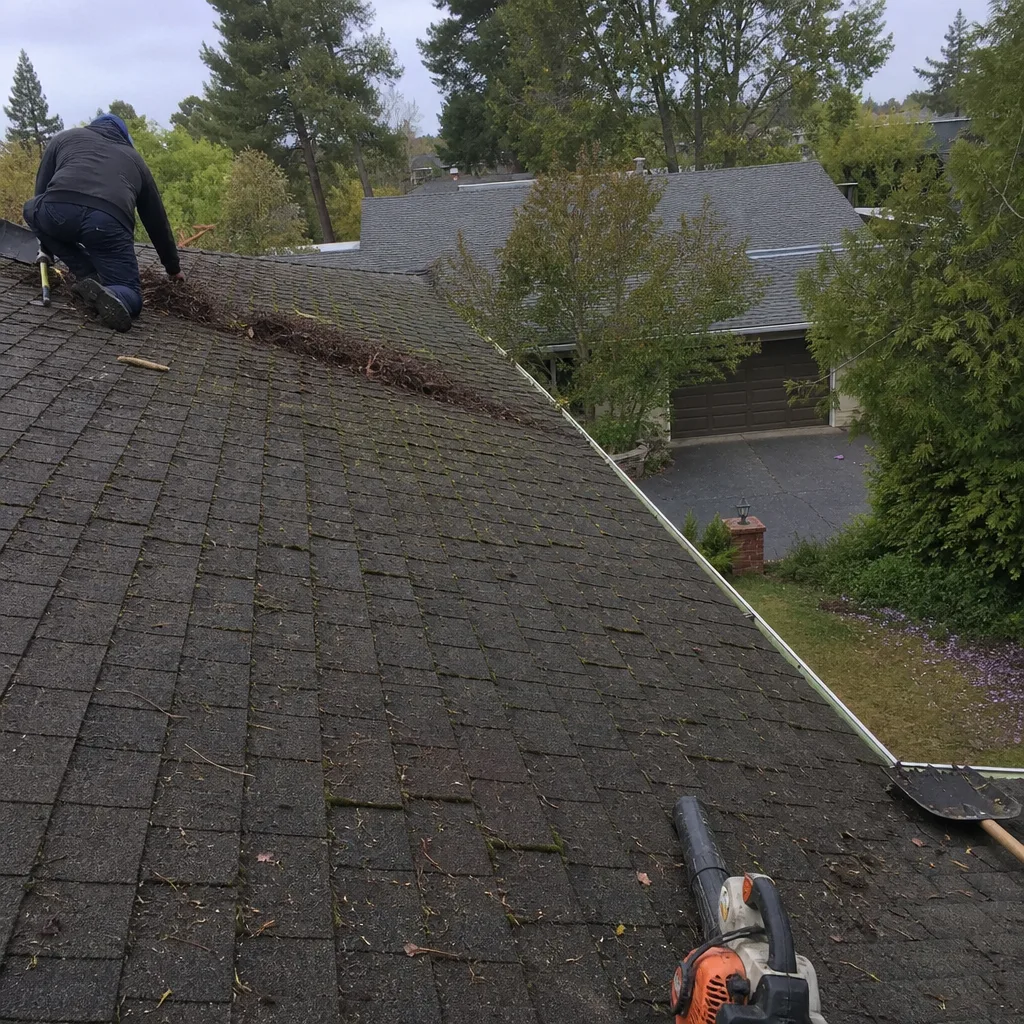 Before
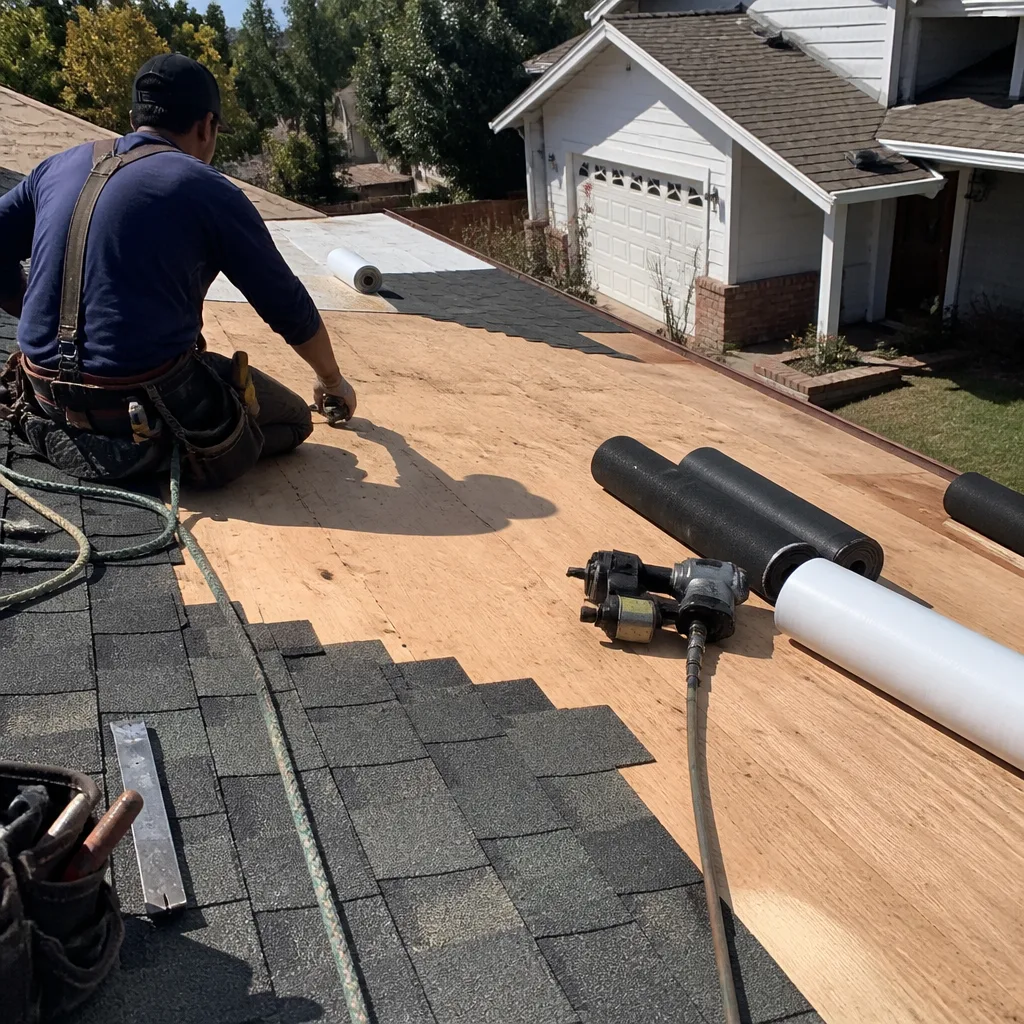 After
After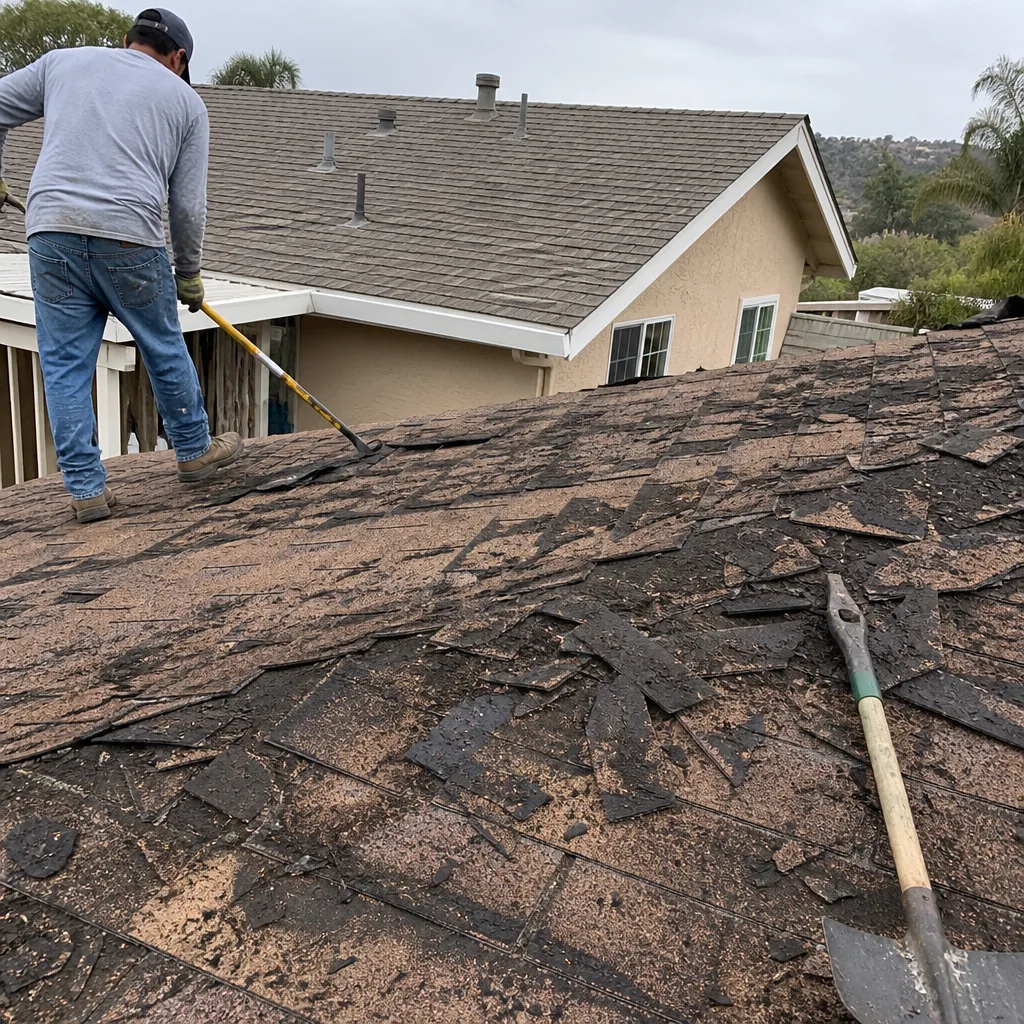 Before
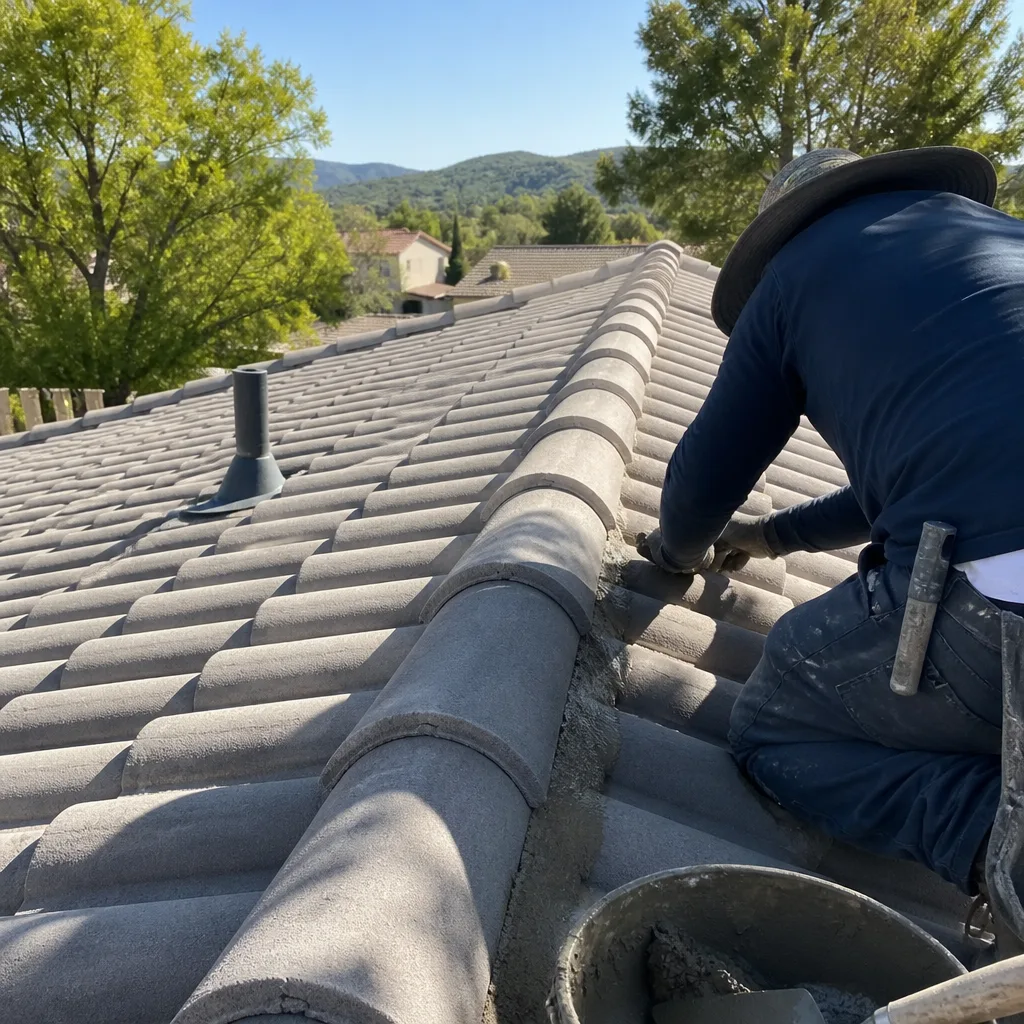 After
After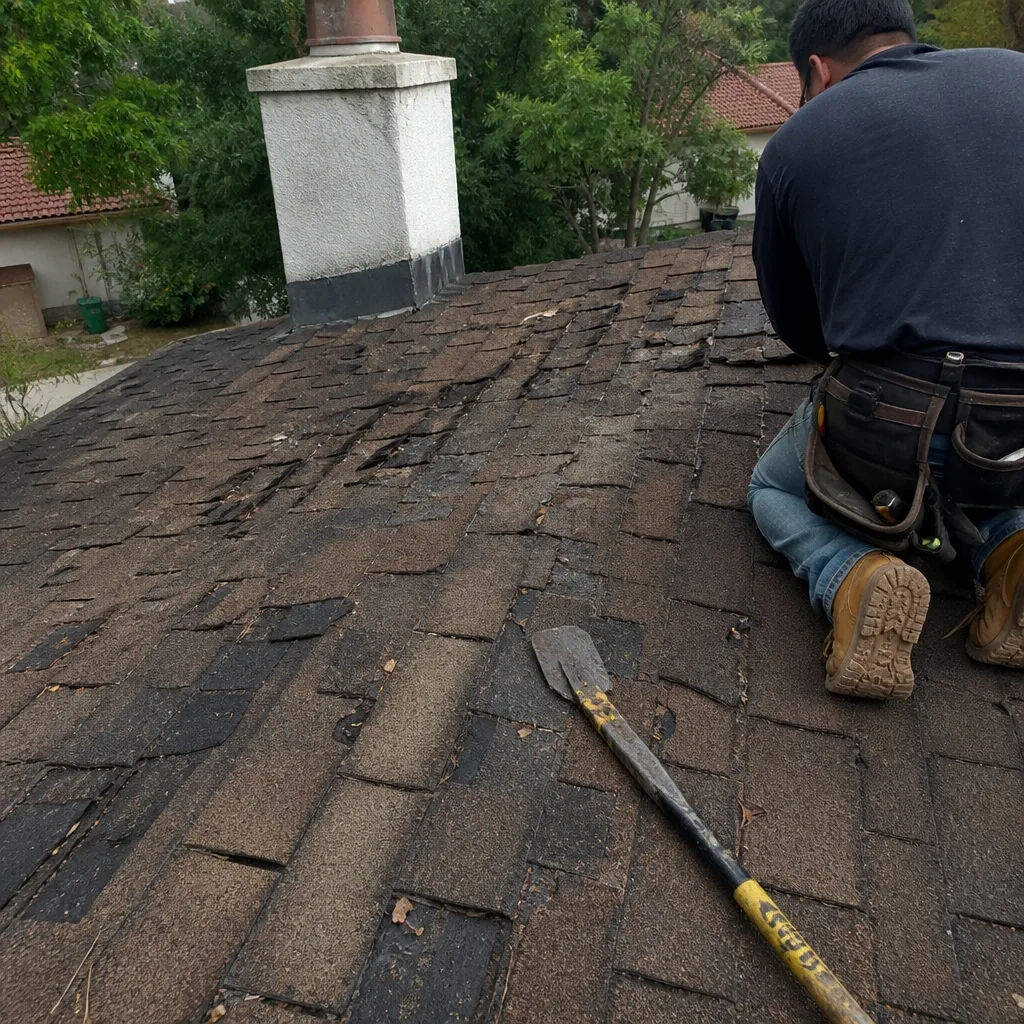 Before
 After
AfterReplacement Cost & What’s Included
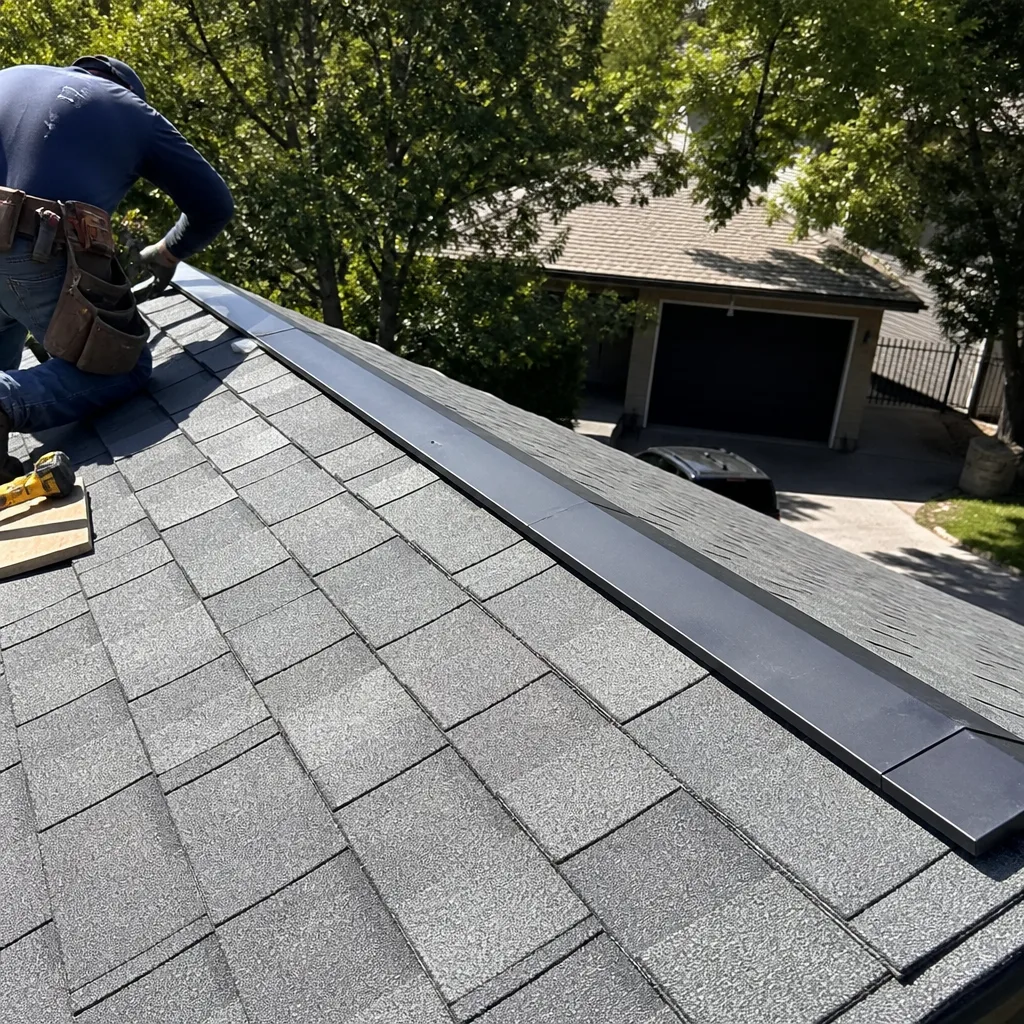
In Thousand Oaks, we price a standard ridge vent replacement between $380 and $625 installed. That covers removing the old vent and cap shingles, inspecting the decking at the ridge, installing the new vent to manufacturer spec, recapping the ridge, and hauling the old material away.
Here’s the honest breakdown of what moves the number:
- Length of the ridge line: a simple ranch on a 40-foot ridge is the low end. A two-story with multiple ridge sections is the high end.
- Decking damage: if the plywood at the ridge is water-stained or soft, that’s additional. We’ll show you photos before we touch it, and we’ll put the number in writing.
- Vent type: VentRidge or specialty profiles cost more per foot than ShingleVent II. That’s a materials difference, not a markup.
- Roof pitch and height: a steep second-story ridge takes more time and more safety setup. That’s reflected in the labor line.
Every ridge vent replacement from Mercer Roofing includes a written price before we start and a 365-Day Done Right Promise in writing. If the vent isn’t right within a year, we make it right. No invoice surprises, no change orders once the written price is agreed to. And yes: free estimate, always.
DIY or Call Us?
There’s one honest thing to say up front: working on a ridge vent means working at the highest point of your roof, with your body over the edge of the ridge line. That’s a fall risk even for experienced roofers. The rest of this section assumes you have a safe ladder, a harness, and a second person on the ground. If any of those aren’t true, stop here and call us. A new vent is never worth a broken hip.
What an owner can safely check without going on the roof: go into the attic during daylight and look at the ridge line from underneath. You’re checking for visible daylight at the vent seams, dark staining on the decking around the vent line, and any sagging in the vent panel itself. Take a photo with your phone. If you see daylight at a seam, the vent wasn’t overlapped correctly, and that’s an install problem.
Where DIY goes wrong: re-nailing cap shingles onto old nail holes. The old nail holes are the leak path. Without pulling the caps, resealing the decking, and reinstalling to the manufacturer’s nail line, you’re just adding new punctures to old damage. A ridge vent also has to be balanced with your soffit intake venting. If the ratio is off, you’ve paid for materials and still have a hot attic. We check that math on every job.
The straight answer: if this is your first time working at the ridge, it’s a call to (805) 309-3314. We’ll send a technician whose name and photo you get before they arrive, badged with photo ID at the door. You’ll see exactly what we see, and you’ll have a written price in hand before anything gets touched.
FAQs
In Thousand Oaks, a properly installed ShingleVent II or VentRidge will typically last 15 to 20 years before the cap shingles fail, though the vent plastic itself often lasts longer than the caps. The deciding factor here is the heat cycling and UV exposure, which shortens cap life faster than coastal areas. Want a specific number? Call (805) 309-3314 and we’ll look at your roof in person. Free estimate, no push.
Yes, if the damage is limited to a small section of cap shingles, the vent underneath is intact, and the decking at that spot is sound. A patch repair in Thousand Oaks typically runs $120 to $240. If the vent itself is cracked or pulled away from the deck, or the caps are failing across the whole ridge, replacement is the honest fix. Call us for a straight answer after a quick look.
A standard single-story replacement runs 3 to 5 hours from setup to cleanup, and the ridge is sealed every night if the job runs long. A two-story with a steep pitch can take a full day, and your written price is the same number at the end as it was at the start.
Yes. We carry ShingleVent II in standard lengths on our Thousand Oaks trucks, and we can source VentRidge and ShingleVent II Glide from our local supplier, usually within a day. If your roof has a less common CertainTeed profile, we’ll know after a site visit and order exactly what’s needed. We also carry GAF and Owens Corning vent lines for homes where the existing ridge vent is a different brand.
Written by Grant Whitlock, Owner, Mercer Roofing Co Thousand Oaks, serving Thousand Oaks and nearby areas.