
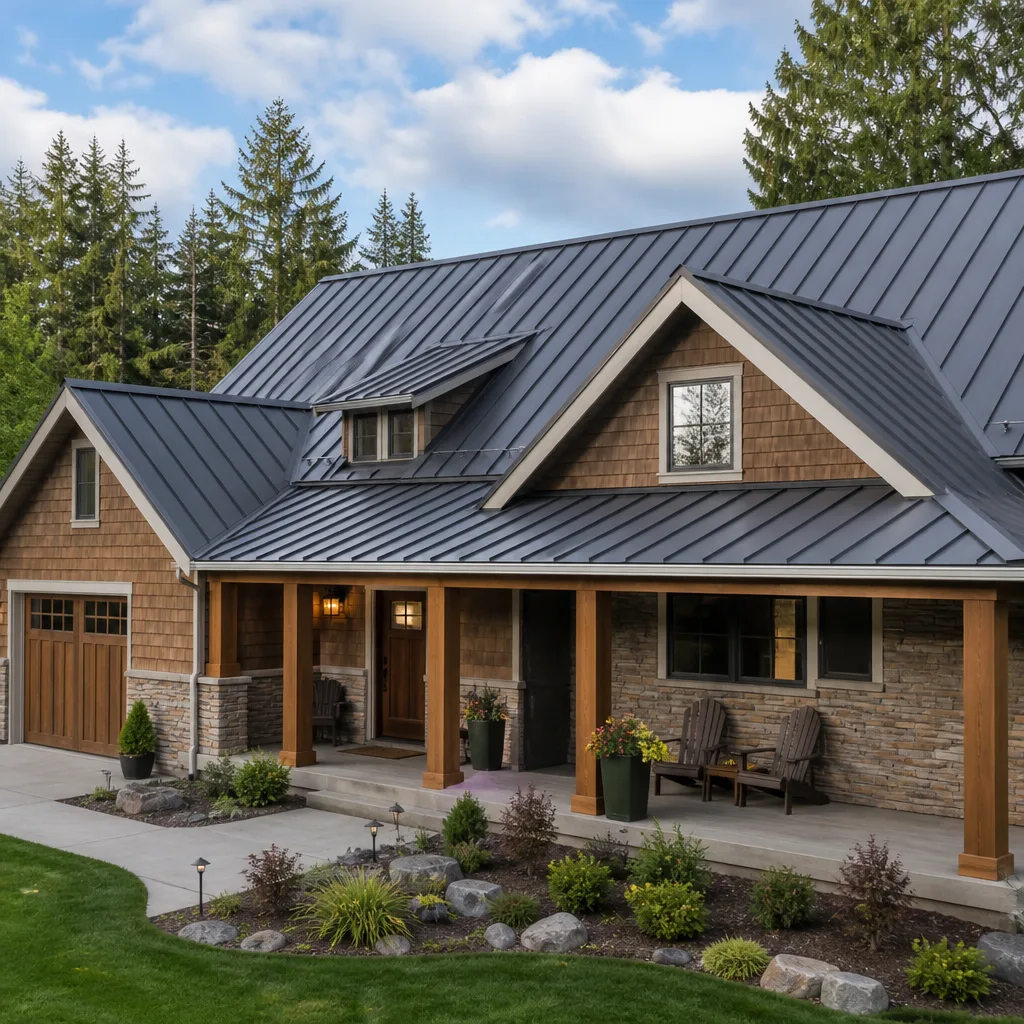
 Metal roofing
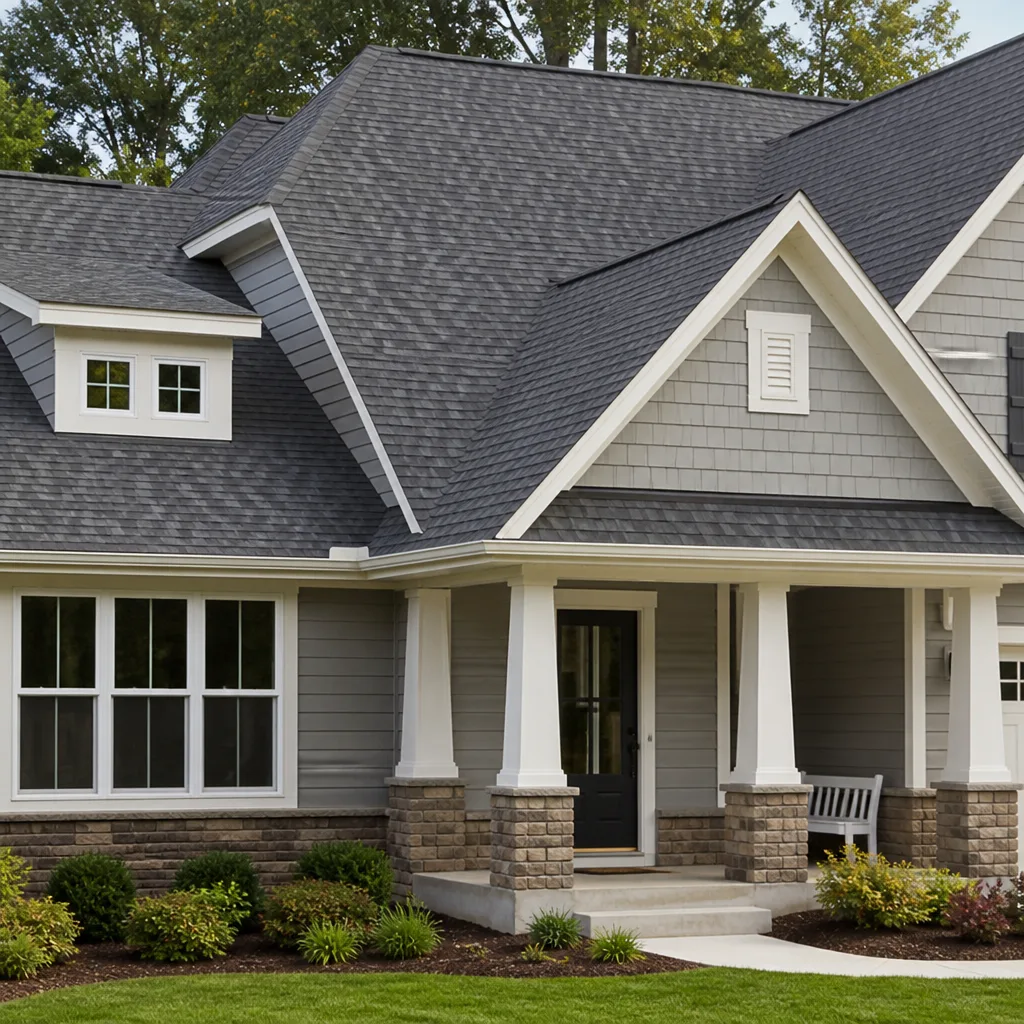 Architectural shingles
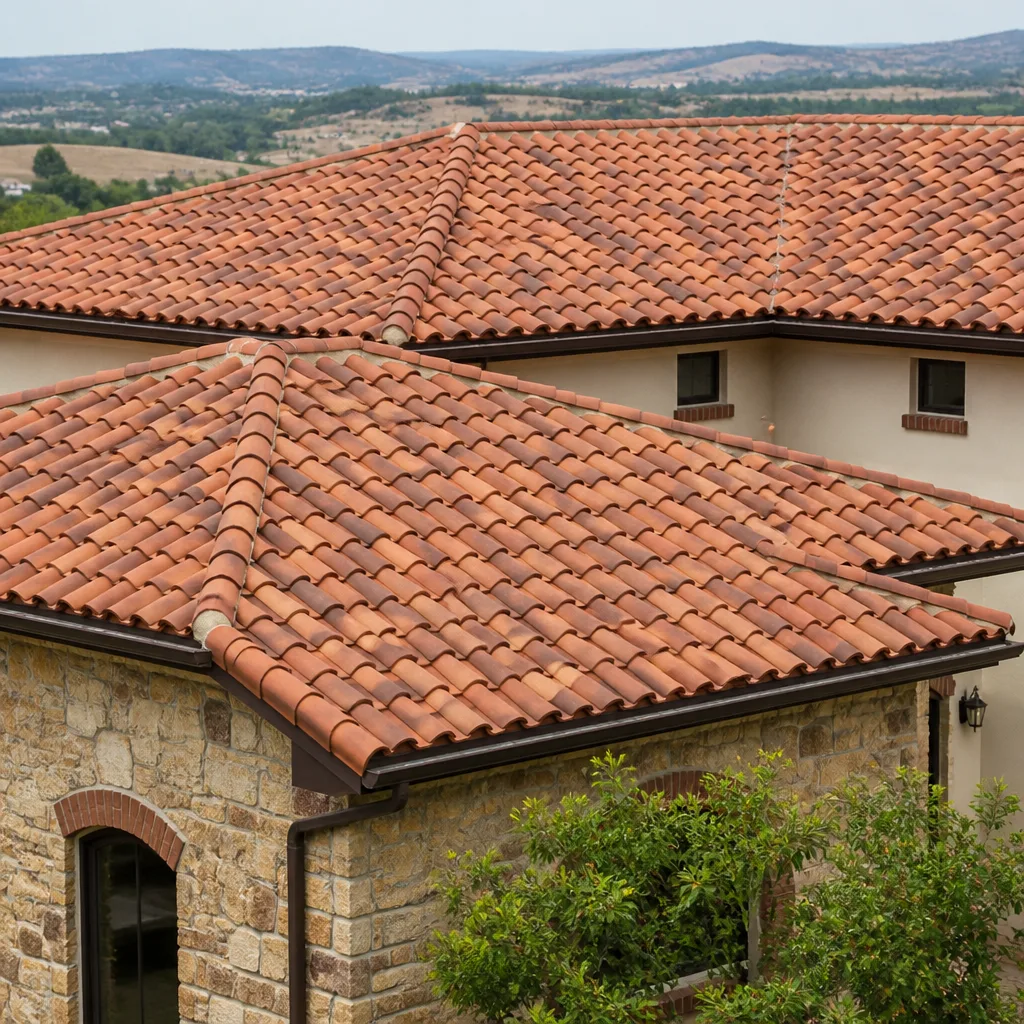 Tile roofing
 GAF
GAF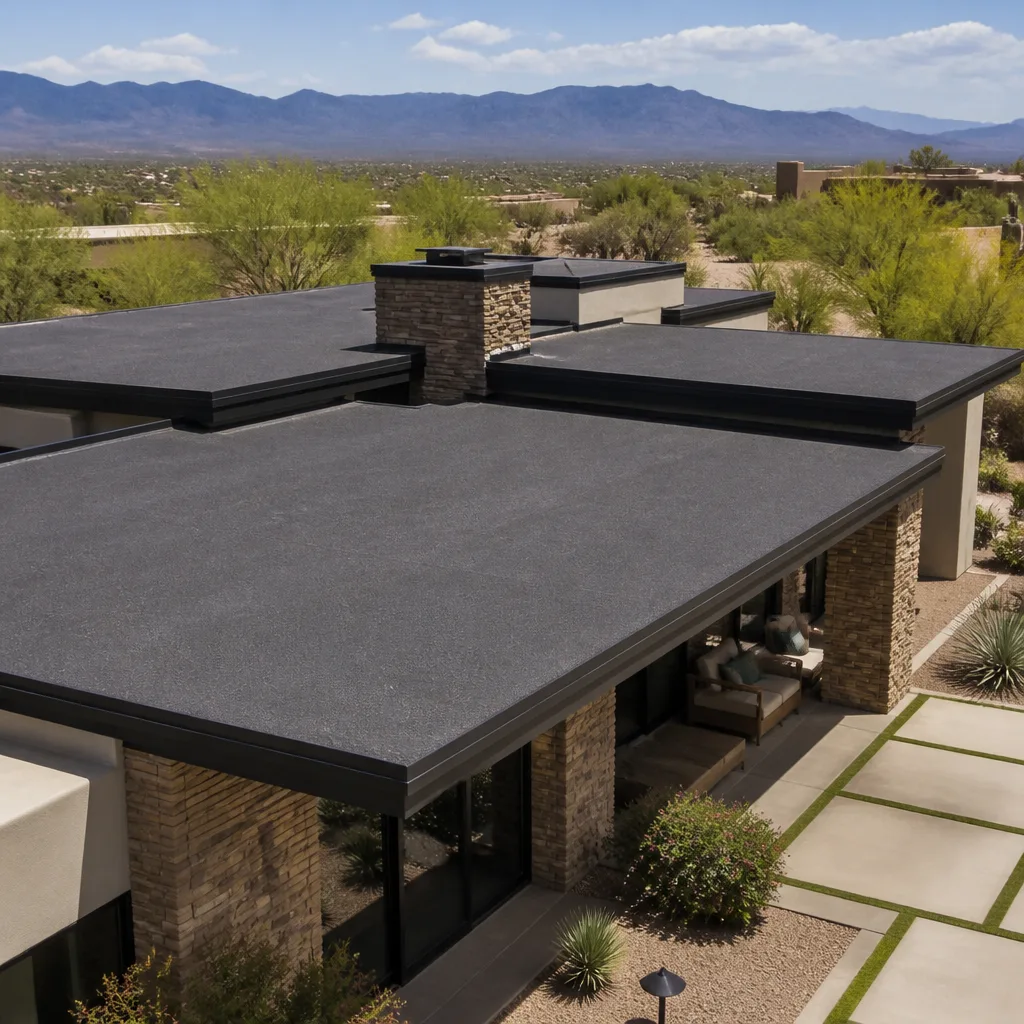 Flat & low-slope
Free roof inspection with deck photos before we talk money - GAF and Owens Corning certified installation
Fast, Reliable Roof Installation Across West Hills
Roof installation in West Hills costs between $14,500 and $38,000 for most single-family homes, with complex hillside properties running higher. Our crews know West Hills rooflines: steep intersecting planes, oak and eucalyptus overhang, and Santa Ana wind exposure that changes how flashing gets detailed and how underlayment gets spec’d. When you call (805) 309-3314, a live person answers and schedules a site visit where we measure actual square footage, inspect decking condition from the attic side, and price the roof you actually have, not a one-size-fits-all estimate.
Why Mercer Roofing Co Thousand Oaks Is West Hills’s Preferred Roof Installation Company
Founded in 2000 and part of the Threshold Group family, we built our reputation in the San Fernando Valley on a simple promise: you know exactly who is walking up your driveway before they knock. Every Mercer technician is background-checked, identity-verified, and arrives in a clean uniform with a photo ID badge. We send the technician’s name and photo to you ahead of the visit. For a West Hills homeowner who’s often alone with young kids or just wants proof at the door, that’s the difference between a roofing crew and a stranger.
West Hills homeowners consistently tell us the same thing: they want the work done right the first time, and they want it in writing. That’s why we put a written price in front of you before any tear-off begins, and why every installation includes our 365-Day Done Right Promise. If something is not right within a year, we make it right. No fine print, no chasing.
Our familiarity with West Hills matters. We know which homes off Sherman Way, Platt Avenue, and Valley Circle Boulevard carry red clay tile roofs with valley intersections that demand custom flashing. We know the upper neighborhoods near Castle Peak Park where attic ventilation was an afterthought in the original build. We also know the roof work on the flatter pockets off Victory needs less ember hardening than the canyon-adjacent streets. This local knowledge means our written quotes account for the actual conditions on your roof, not a template from another city. Scheduling and dispatch are coordinated from the brand’s Los Angeles office, so response time to West Hills is measured in days, not weeks.
Styles & brands we work with
Roof Flashing Installation in West Hills
Roof flashing installation in West Hills is where a roof actually succeeds or fails, and on the hillside homes that define this community, it’s the single most demanding part of the job. Flashing is the metal material, typically galvanized steel, aluminum, or copper, installed at every point where the roof plane changes direction or meets a wall, chimney, skylight, or valley. In West Hills, where a single traditional two-story can have five or six intersecting roof planes, the flashing becomes a complex metalwork puzzle. When it is done without precision, water finds its way in during the first heavy winter rain.
We see failed step flashing on West Hills homes constantly, especially at the wall intersections where a stucco exterior meets a shingle or tile roof plane. The original metal corrodes, or it was never properly integrated with the house wrap, and the leak remains hidden until the drywall stains appear. We replace flashing with materials matched to the roof covering and the geometry of the specific intersection. Our Roof Installation team details every transition with the surrounding planes in mind, not just the one they are working on right then.
Valley and Wall Flashing
Valleys on West Hills roofs carry more water than nearly anywhere else in the western Valley, because the steep pitches accelerate runoff and the tree canopy drops constant debris. If a valley is flashed with a single narrow strip rather than a woven or open metal system sized to the slope and the roof material, the result is a channel that clogs and backs up. We inspect valley flashing from the gutter line to the ridge before recommending whether a new installation needs full valley replacement or targeted repair.
Wall flashing at stucco intersections is another West Hills failure point. The step flashing must be cut into the stucco and counterflashed correctly, and if the original builder skipped that step, the only real fix is to open the wall line and re-detail it properly. We include that scope in the written quote when the condition calls for it.
TPO Roofing Installation in West Hills
TPO roofing installation in West Hills is a smart choice for the low-slope sections that show up on so many 1960s and 1970s ranch-style homes here, especially the flat or near-flat deck sections over additions, patios, and attached garages. TPO, or thermoplastic polyolefin, is a single-ply membrane that reflects heat, which matters on a West Hills summer afternoon when an asphalt surface can hit 150 degrees. A properly installed TPO system, with the seams heat-welded rather than glued, holds up better under relentless sun exposure than older built-up or torch-down systems.
West Hills homeowners with flat sections leaking at the parapet wall or the scupper will often hear from a roofer that the whole thing needs replacing. Sometimes it does. More often, we find the failure is at a seam, a penetration, or the termination bar, and the membrane itself is still serviceable. Our West Hills customers get an honest assessment, because replacement when repair will do is exactly the kind of thing the written-guarantee model is designed to prevent. When we do install TPO, we specify the membrane thickness for the local heat load, and we walk the homeowner through the seam-welding inspection before we call the job done.
Ember-Sealed Edges on Low-Slope Roofs
Ember intrusion is not limited to steep roofs. On a West Hills low-slope section, the parapet wall and the drip edge are where wind-driven embers settle during a Santa Ana event. We seal the entire perimeter with a metal edge detail that leaves no gap at the membrane termination, and we inspect the scupper outlets for debris traps that would hold embers against the membrane surface.
Trusted Brands We Service in West Hills
We install and repair roofs using manufacturer-recognized shingle and tile brands including CertainTeed, Owens Corning, and Atlas. Our West Hills crews stock the most common replacement materials and accessories locally, which means a missing cap shingle or a damaged piece of flashing does not hold up the job while we wait on a distributor across the Valley. We also work with Boral tile systems on the red clay and concrete tile roofs that are characteristic of the upper West Hills neighborhoods, and we match existing profiles when a repair needs to blend rather than replace. When we specify a material for your West Hills roof, we specify it for the actual wind, heat, and ember exposure on your street, not a generic Southern California climate zone.
See the difference
 Before
 After
After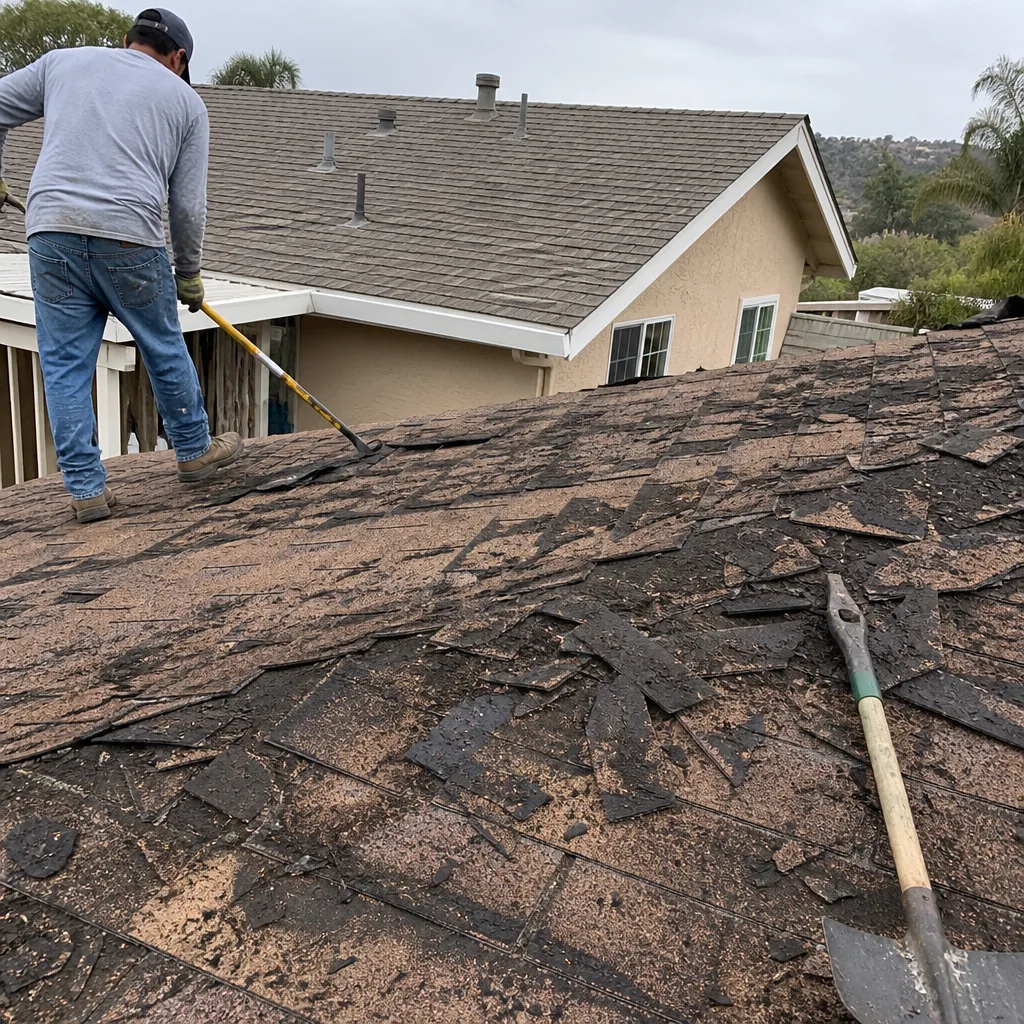 Before
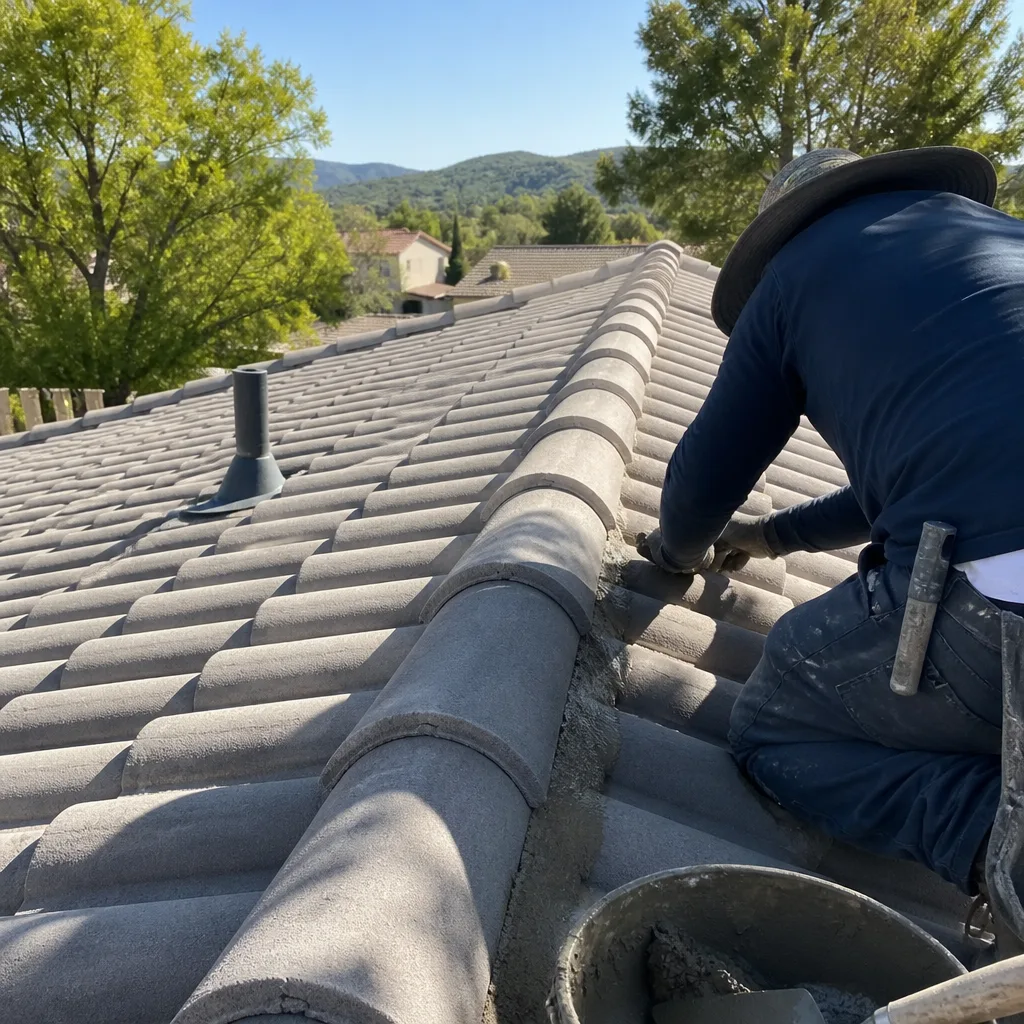 After
After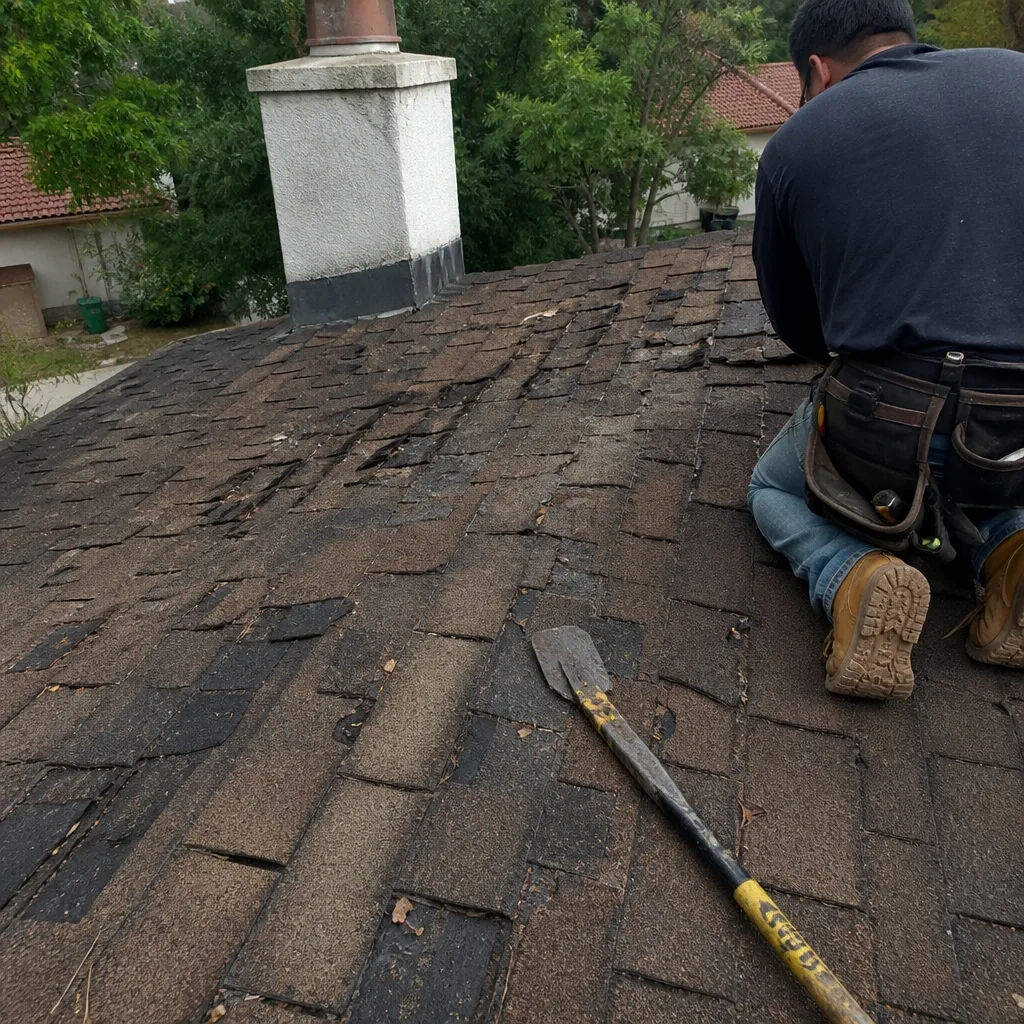 Before
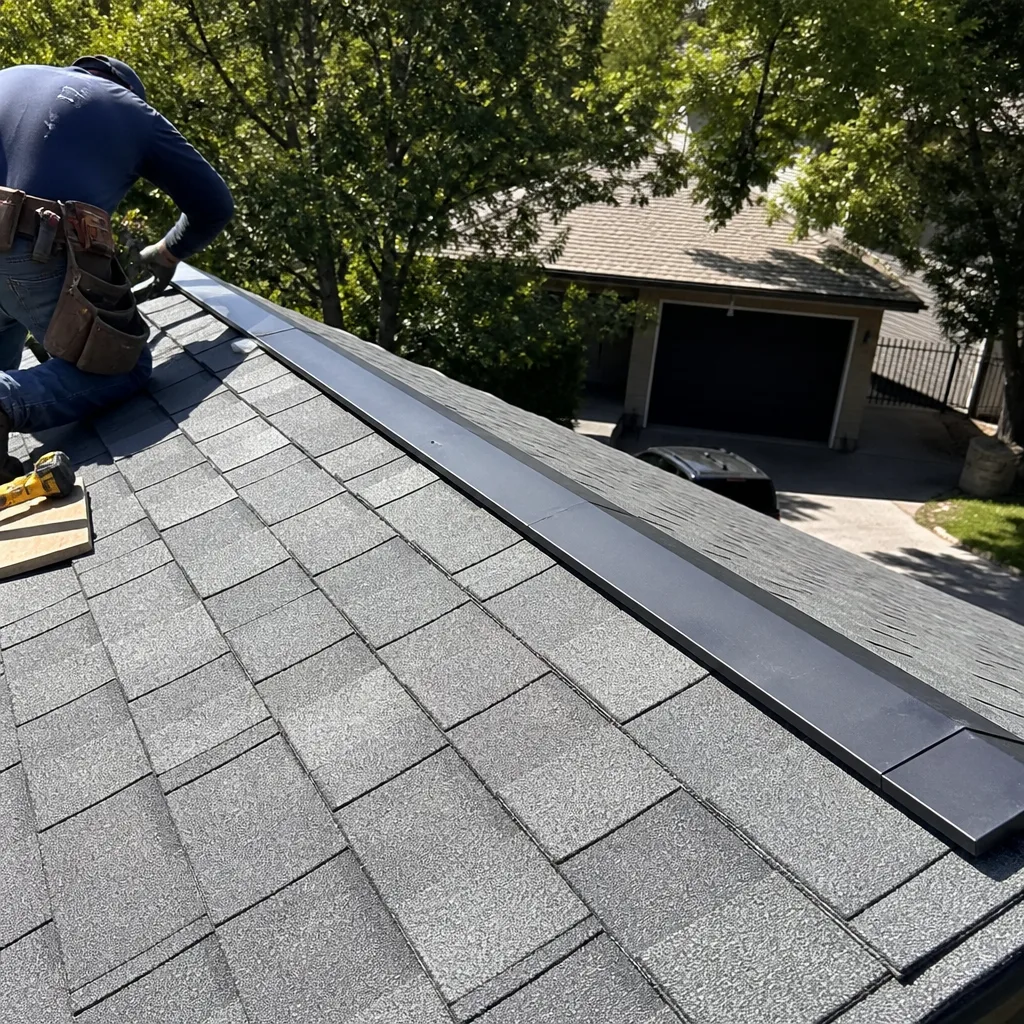 After
AfterCommon Roof Installation Problems We See in West Hills Homes
- Undersized or rotted decking discovered only after tear-off. The original plywood or board decking on a 1960s or 1970s West Hills home is often thinner than what current code requires, and years of irrigation overspray from the lush landscaping has rotted the soffit-adjacent sections. We inspect from the attic side before we quote, and we write a per-sheet allowance into the contract so a re-deck surprise does not blow the budget mid-project.
- Failed step flashing at complex valleys and wall intersections. West Hills homes with multiple intersecting roof planes have far more flashing linear feet than a simple ranch in Canoga Park. When the original flashing was done with undersized metal or inadequate overlap, the leaks stay hidden until a heavy winter rain loads the valley faster than it can drain.
- Wind-driven embers entering through poorly sealed eaves and drip edges. The canyon-adjacent streets in West Hills, especially those running up toward the open space near Bell Canyon, face a genuine ember-intrusion risk during Santa Ana winds. A Class A shingle on top does not help if the eave-to-fascia gap is wide enough to admit a burning ember.
- Heat-trapped attics accelerating shingle and underlayment failure. The original venting on many West Hills homes was minimal, and the summer heat builds up enough to cook the underside of the roof decking. We correct this with continuous ridge venting and properly sized intake at the soffits, which extends the life of the new roof and eases the cooling load on the house.
We recently opened up a two-story traditional off Sherman Way near Castle Peak Park and found the original decking had rotted at the soffit line from decades of irrigation overspray. We replaced the damaged sheathing, flashed the multiple intersecting red clay tile planes with custom Boral metal, and installed a continuous ridge vent to correct the prior heat-trapping design. That is the difference between a West Hills roof installation that lasts and one that will be torn off again in ten years.
Pricing for Roof Installation in West Hills, CA
A full tear-off and re-roof on a typical West Hills single-family home runs $14,500 to $38,000 depending on square footage, roof pitch, material choice, and the condition of the existing decking. An architectural asphalt shingle installation for a 2,000-square-foot home with moderate pitch typically lands between $16,000 and $24,000. A red clay or concrete tile roof on the same footprint runs $30,000 to $48,000 because the material is heavier and the flashing detail work on the intersecting planes is more involved. Roof flashing installation as a standalone scope on a West Hills home generally runs $2,800 to $7,500 depending on how many valleys, walls, and penetrations need re-detailing. TPO roofing installation for a flat addition or garage deck usually runs $8,500 to $15,000 for typical West Hills residential sections.
We write the allowance for decking replacement into the contract as a per-sheet line item, so if we find rot after tear-off, the cost is already priced and approved. You will never get a change order sprung on you mid-project. Call (805) 309-3314 for a free, written estimate. We measure your actual roof, inspect the attic, and show you the number before you commit to anything.
We Also Serve Cities Near West Hills
Beyond West Hills, our crews regularly work in Canoga Park, Calabasas, Chatsworth, and Topanga. If your roof has the same steep, tree-shaded, ember-exposed profile we see across the western San Fernando Valley, call us and we will send a technician whose name and photo you will see before they arrive. Every one of those technicians is background-checked, identity-verified, and held to the West Hills standard we are known for: a written price, a written guarantee, and a real person answering the phone.
Serving West Hills, CA - Our Local Coverage Area
We’re a Roofing Company - West Hills based in the area and know this community well. Use the map below to see our service coverage - if you’re nearby, we can almost certainly help.
FAQs About Roof Installation in West Hills
A typical West Hills roof installation runs 30 to 45 squares, which is about 15 to 25 percent more roof area than a same-footprint home on a flat lot in Canoga Park, because the intersecting pitches add real surface. We measure by walking the roof with a calibrated wheel and verifying against satellite imagery, so the quote reflects actual square footage plus the waste factor for the cut-up geometry. Call (805) 309-3314 for an exact measurement and a written line-item quote.
Most West Hills homes of 1960s or 1970s construction need at least partial decking replacement, because the original plywood is often undersized and the soffit-adjacent sections have typically seen decades of irrigation overspray. We inspect the decking from the attic before quoting, and we write a per-sheet replacement allowance into the contract so the cost is known even if we cannot see full rot until the old roofing comes off.
We recommend a self-adhered, high-temperature underlayment with a fiberglass-reinforced surface on West Hills homes, especially on canyon-adjacent streets where Santa Ana winds drive embers against the roof line. This is a step above standard felt or synthetic underlayment and gives the roof a meaningful window of protection between the covering and the deck if an ember lodges at the drip edge. The upgrade is a small line item relative to the full installation cost. Call (805) 309-3314 and we will show you the exact number.
Yes, in nearly every case we see in West Hills. Wood shake roofs are a real fire exposure, and many insurers have refused to renew policies on shake roofs in the western Valley. Architectural shingles give you a Class A fire rating, weigh far less than the shake debris they replace, and install more cleanly around the complex valleys and dormers that are so common on the hillside homes here. The HOA on some West Hills streets still mandates wood, and we help homeowners document the fire-safety case for a material change.
Santa Ana winds in West Hills test the edges of a roof: the drip line, the rakes, the ridge, and the flashing. We install with a six-nail fastening pattern, starter strips, and a sealed drip edge so the first strong canyon gust does not lift a shingle and start a peel. On the steeper tile roofs near Castle Peak Park, we mechanically fasten every piece at the tile lug and inspect the perimeter fasteners before we call the job complete. If you want to talk through what a wind-hardened installation looks like on your roof, call (805) 309-3314 for a free estimate.
Written by Grant Whitlock, Owner at Mercer Roofing Co Thousand Oaks, serving West Hills since 2000.