
 Metal roofing
 Architectural shingles
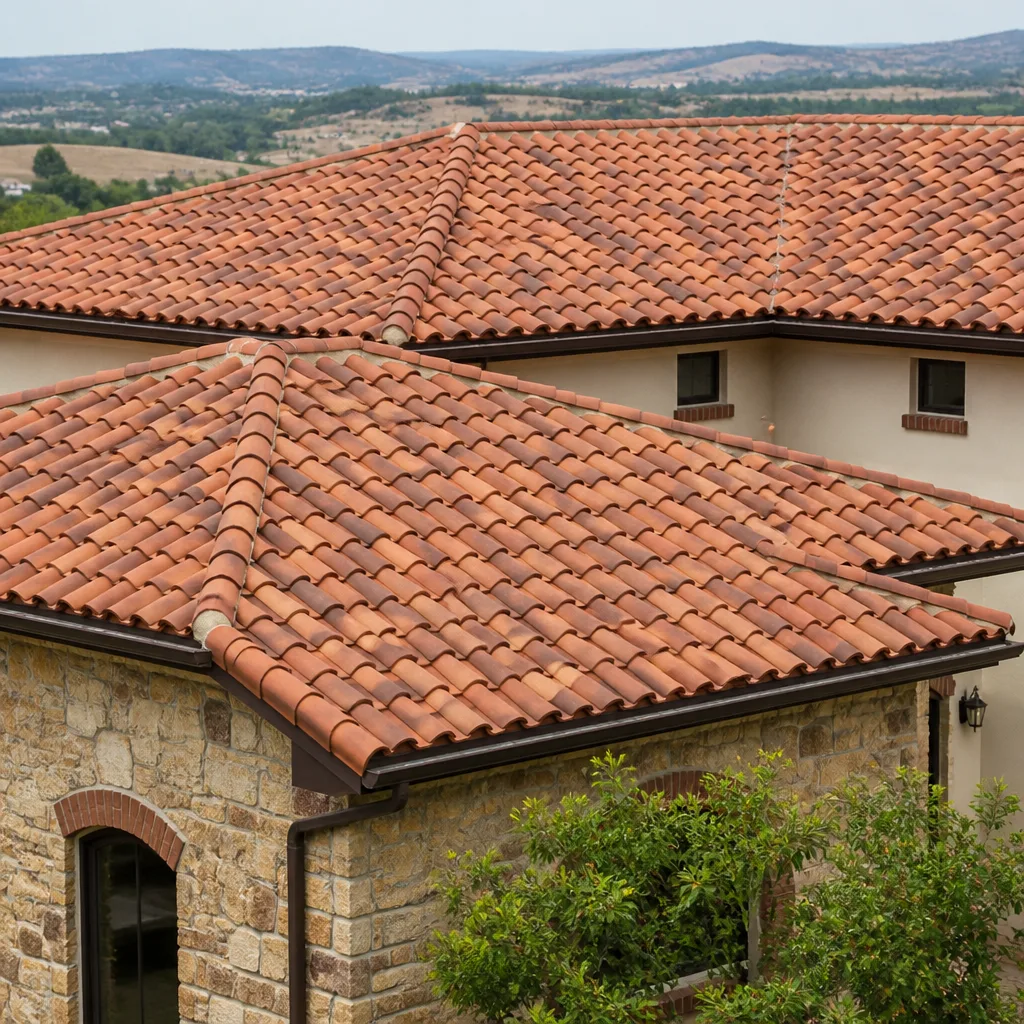 Tile roofing
 GAF
GAF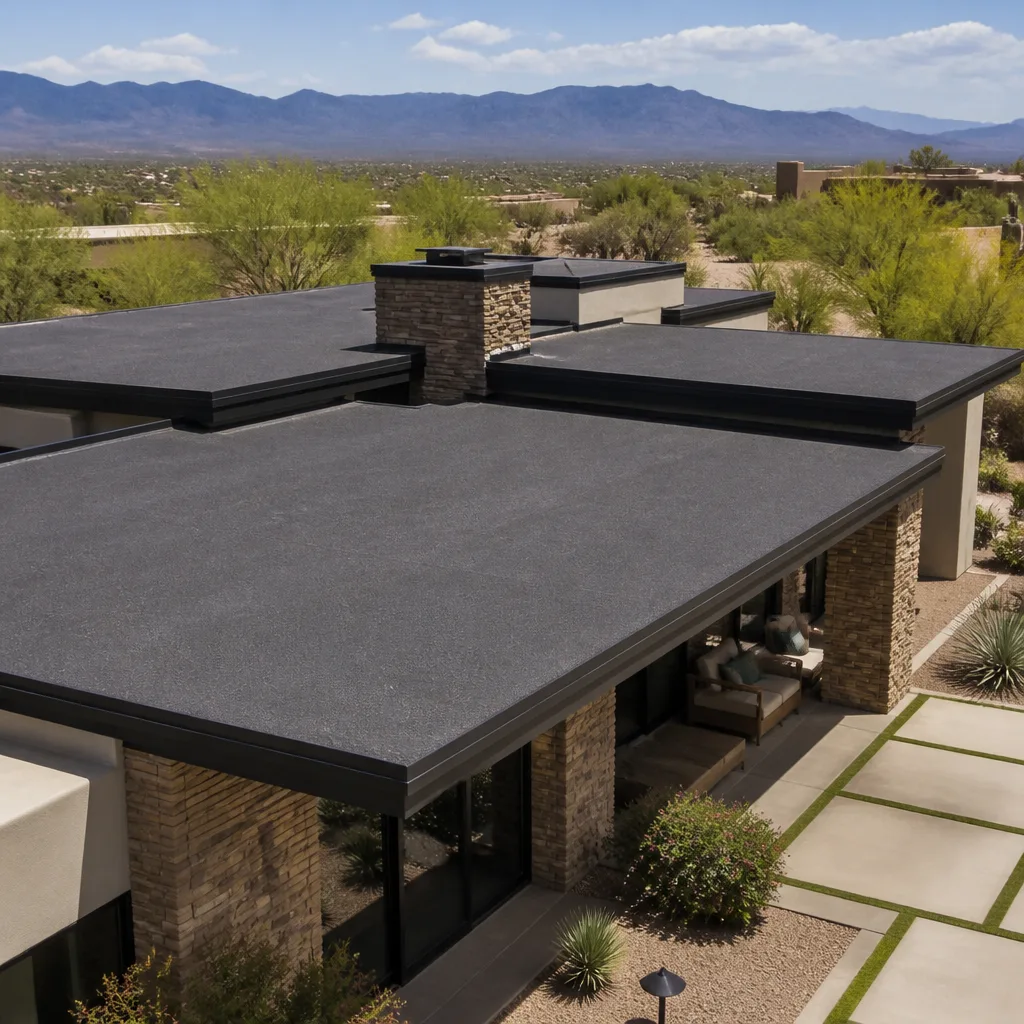 Flat & low-slope
Free roof inspection with deck photos before we talk money - GAF and Owens Corning certified installation
IKO Flashing Replacement: The Thousand Oaks Owner’s Guide
IKO flashing replacement in Thousand Oaks typically costs $380 – $940 installed, depending on the flashing location and how much surrounding roofing material has to be lifted. We keep IKO-compatible step flashing, pipe boot flashing, and valley flashing on our trucks, so most flashing-only jobs are finished the same day we come out. Most Thousand Oaks homeowners discover the problem the same way: a water stain on the ceiling after the first real rain, or granules in the gutter that point to water getting where it shouldn’t be.
Flashing is the metal or synthetic material that bridges the joints where your roof meets a wall, chimney, skylight, or pipe. When IKO flashing fails, the shingles around it can look perfectly fine while water works its way underneath. That’s why Grant Whitlock shows every homeowner photos of exactly what he found before any work starts. If you’re seeing signs of water intrusion and you have IKO shingles or an IKO roofing system, this page will walk you through what’s compatible, what it costs, and what we do differently.
Which IKO Models This Applies To
IKO manufactures several shingle lines stocked across Thousand Oaks, and the flashing we install has to match the profile and exposure of the specific product on your roof. The IKO architectural lines you’re most likely to have are Cambridge, Dynasty, and Nordic, with Marathon and Royal Estate showing up on higher-end builds in neighborhoods like Lang Ranch and Sunset Hills. The flashing itself isn’t brand-specific to IKO the way a car part is, but the installation method is: IKO’s published installation specs call for specific step flashing dimensions (typically 10-inch by 8-inch, with a 5-inch vertical leg) and specific head lap over the shingle course below. Getting that wrong means the flashing looks fine from the ground and leaks from day one.
We are an independent roofing contractor in Thousand Oaks, not an IKO affiliate, which matters in a good way: we’re not locked into one parts channel. If an OEM IKO-branded flashing component makes sense for a warranty-sensitive situation, we’ll use it. If a quality aftermarket equivalent in 26-gauge galvanized steel or aluminum matches the original spec and saves you money, we’ll tell you that too, with the exact price difference in writing. The compatibility gotcha most owners don’t know: IKO’s heavier architectural shingles create a thicker profile at the wall line, which means generic box-store step flashing with a shorter vertical leg often doesn’t extend far enough up the wall to meet California code. We measure every flashing run before we quote, not after.
Styles & brands we work with
Signs Your IKO Flashing Replacement Is Failing
- Water stains on ceilings or walls near roof intersections. Flashing leaks almost always show up inside where a roof plane meets a vertical surface, not in the open field of shingles. The stain may grow slowly and darken after heavy rain, then dry out for weeks during Ventura County’s long dry stretches.
- Granules collecting in gutters below walls, chimneys, or valleys. When flashing channels water underneath the shingles, the shingle edges at that transition wear faster. IKO’s Cambridge line has a heavier granule load than some competitors, so you’ll notice the buildup if you clean gutters regularly.
- Lifted or curling shingle edges near any penetration. Flashing and shingles expand at different rates in the heat cycling off the Santa Monica Mountains and the Simi Hills. Over 15+ years of those cycles, the sealant strip on IKO shingles adjacent to metal flashing can fail, creating a curl the eye catches on a sunny walk around the house.
- Rust streaks or visible corrosion on metal flashing. The ocean air that reaches Thousand Oaks carries trace salt, and older galvanized flashing from the 1990s and early 2000s on homes in Newbury Park and Conejo Oaks often shows rust at the exposed edges first. Once rust breaks the galvanized coating, pinhole leaks follow within a season or two.
- Caulk that’s cracked, peeling, or missing around a pipe boot. Pipe boot flashing is the most common flashing failure on IKO roofs we service, because the rubber collar degrades under direct California sun exposure. A roof in Thousand Oaks gets about 280+ days of sunshine annually, which is brutal on any rubber component.
See the difference
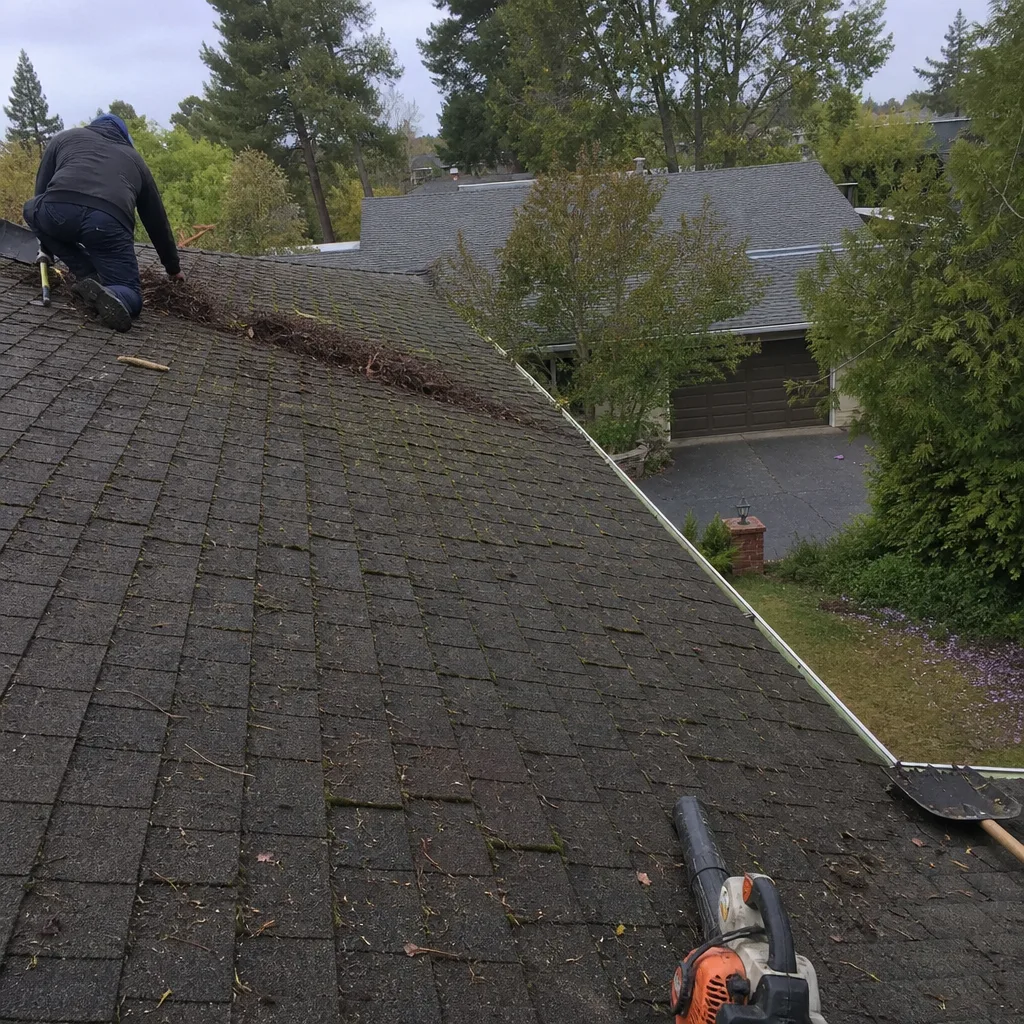 Before
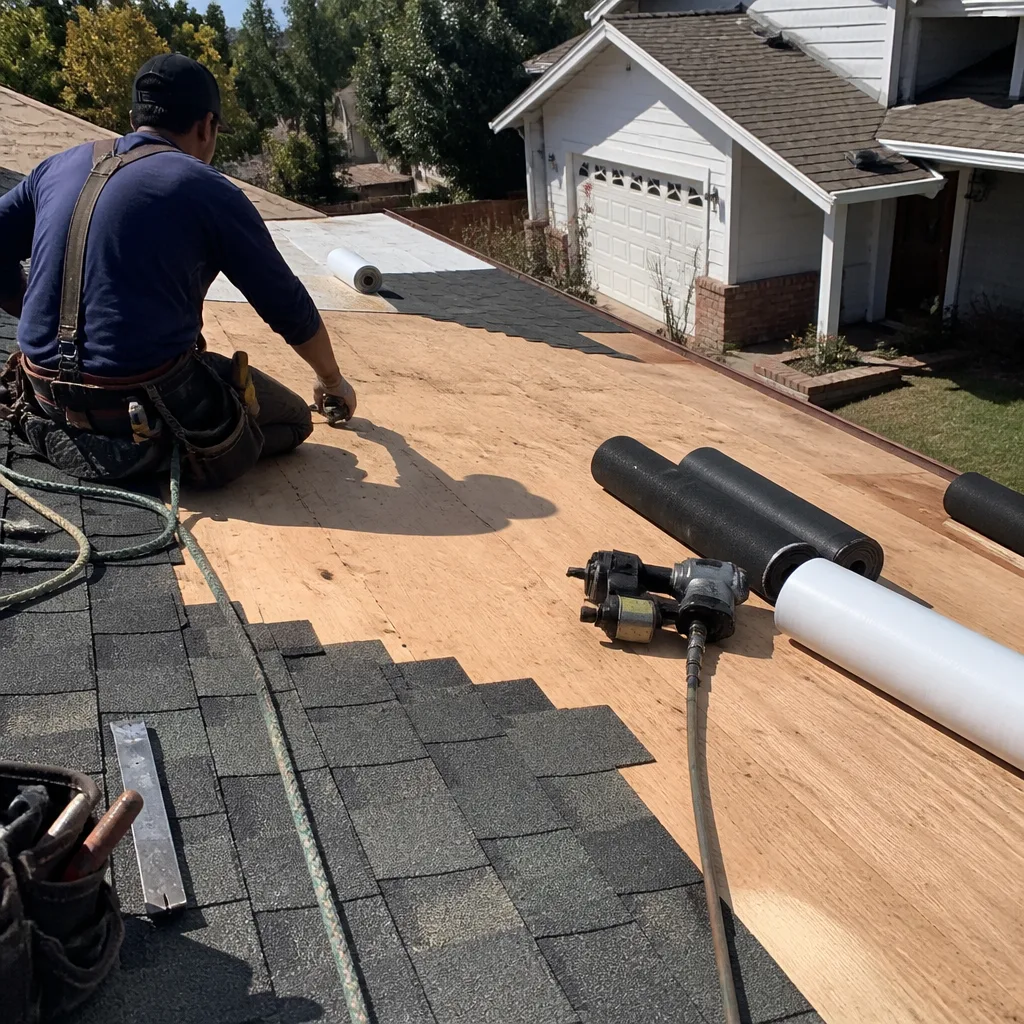 After
After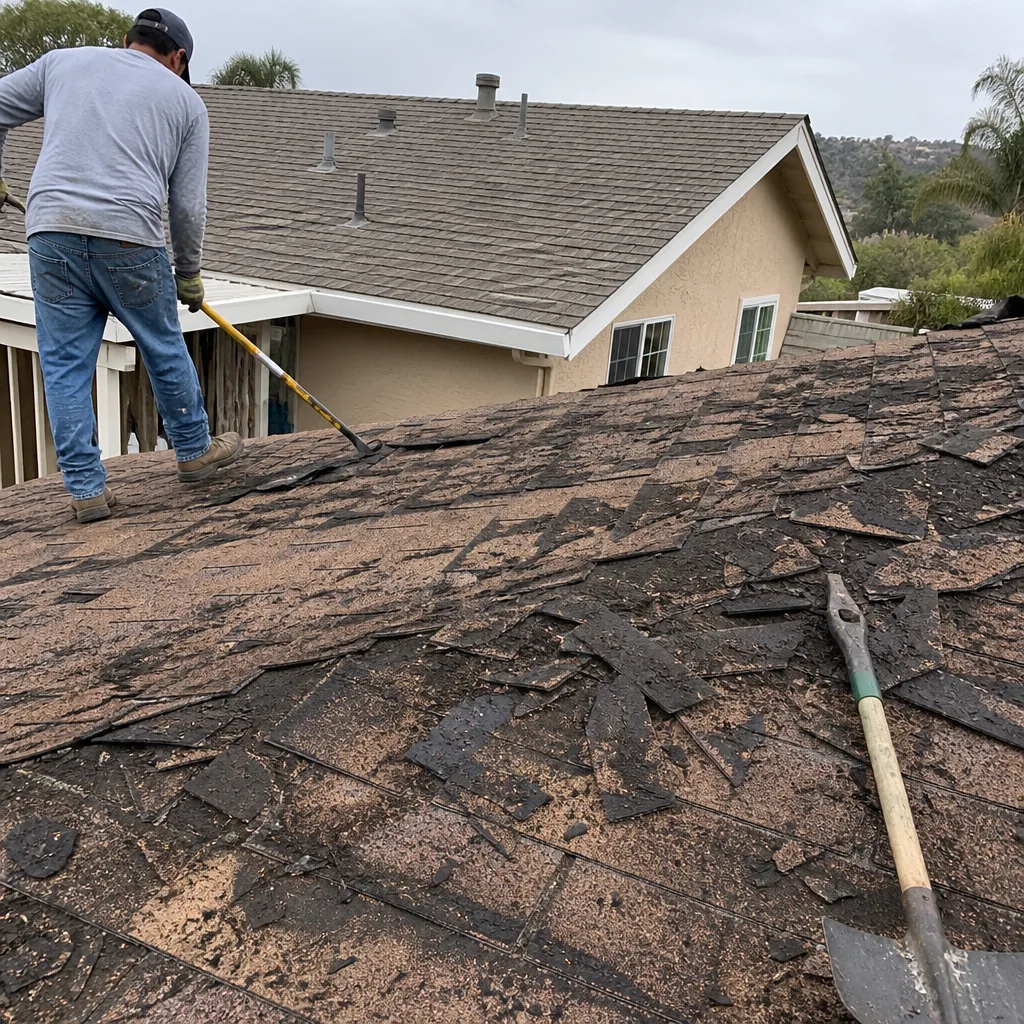 Before
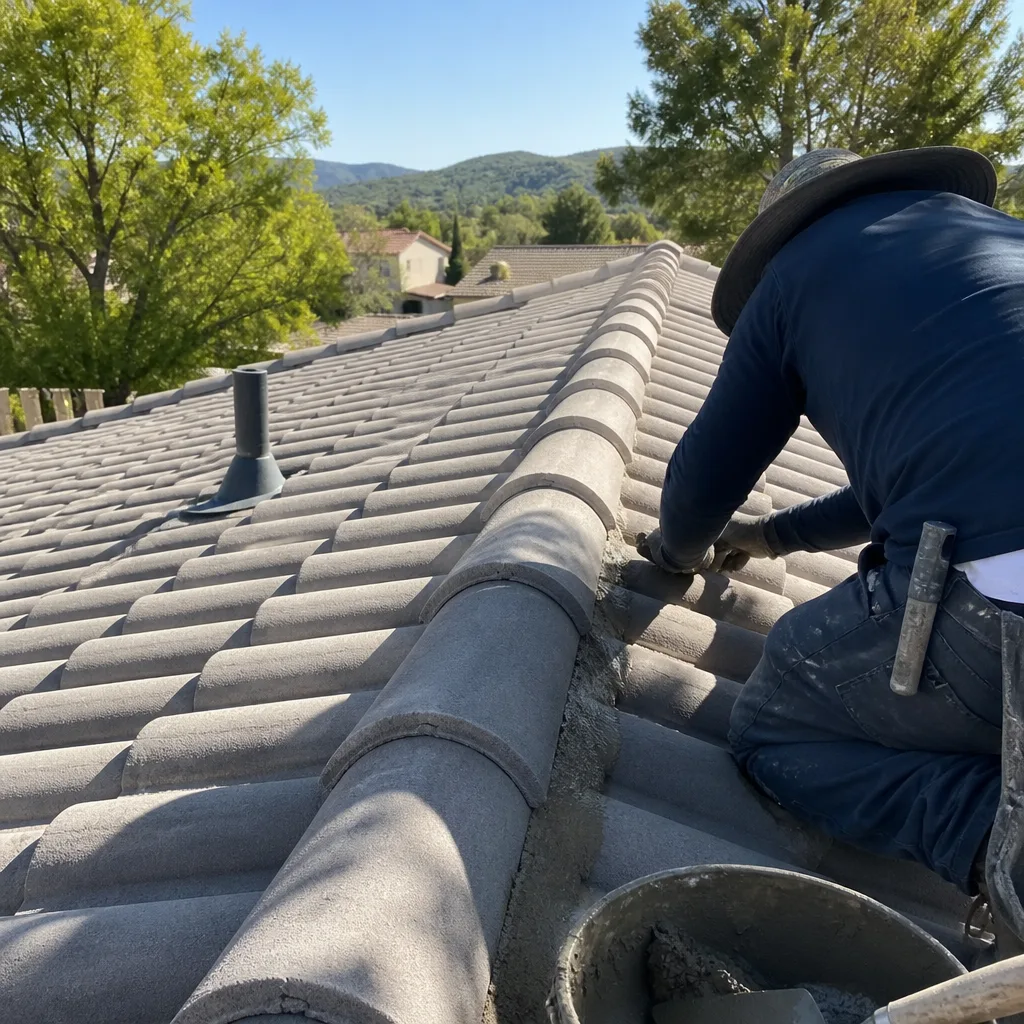 After
After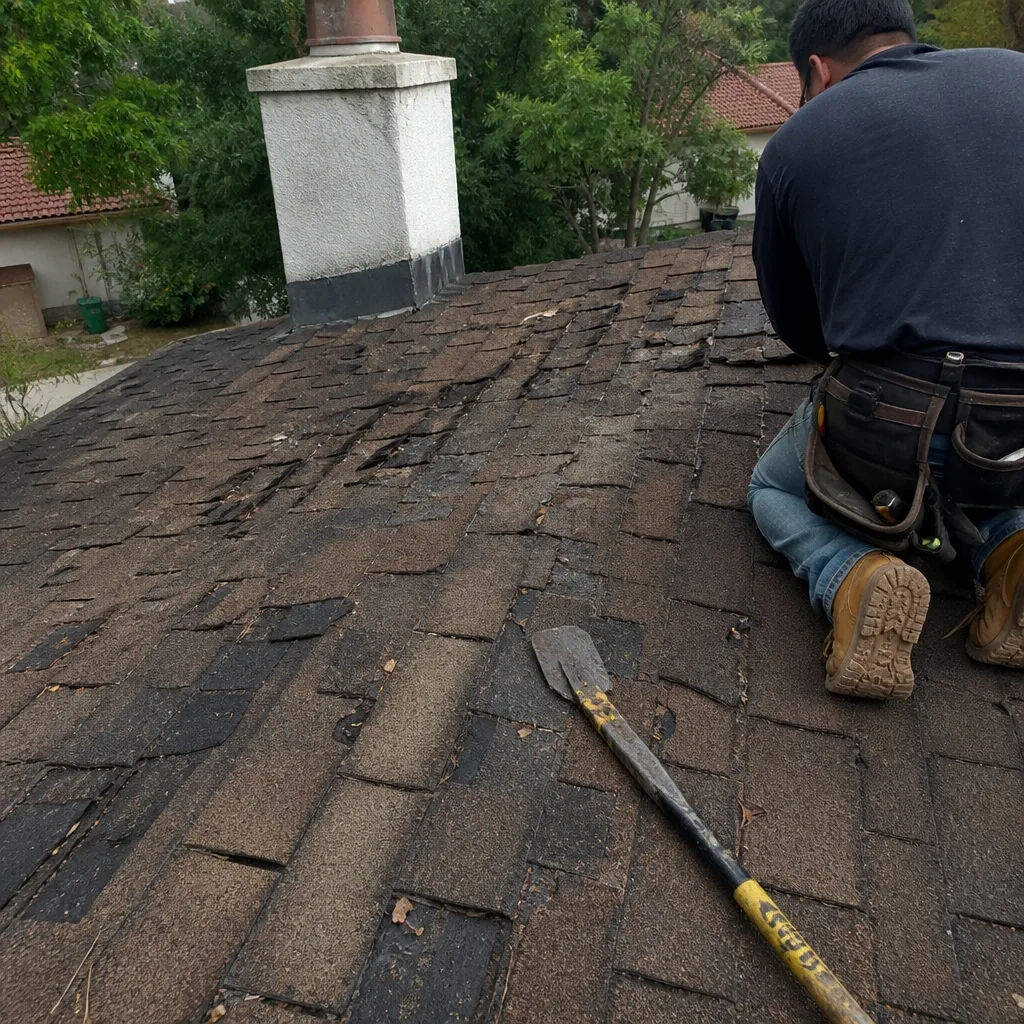 Before
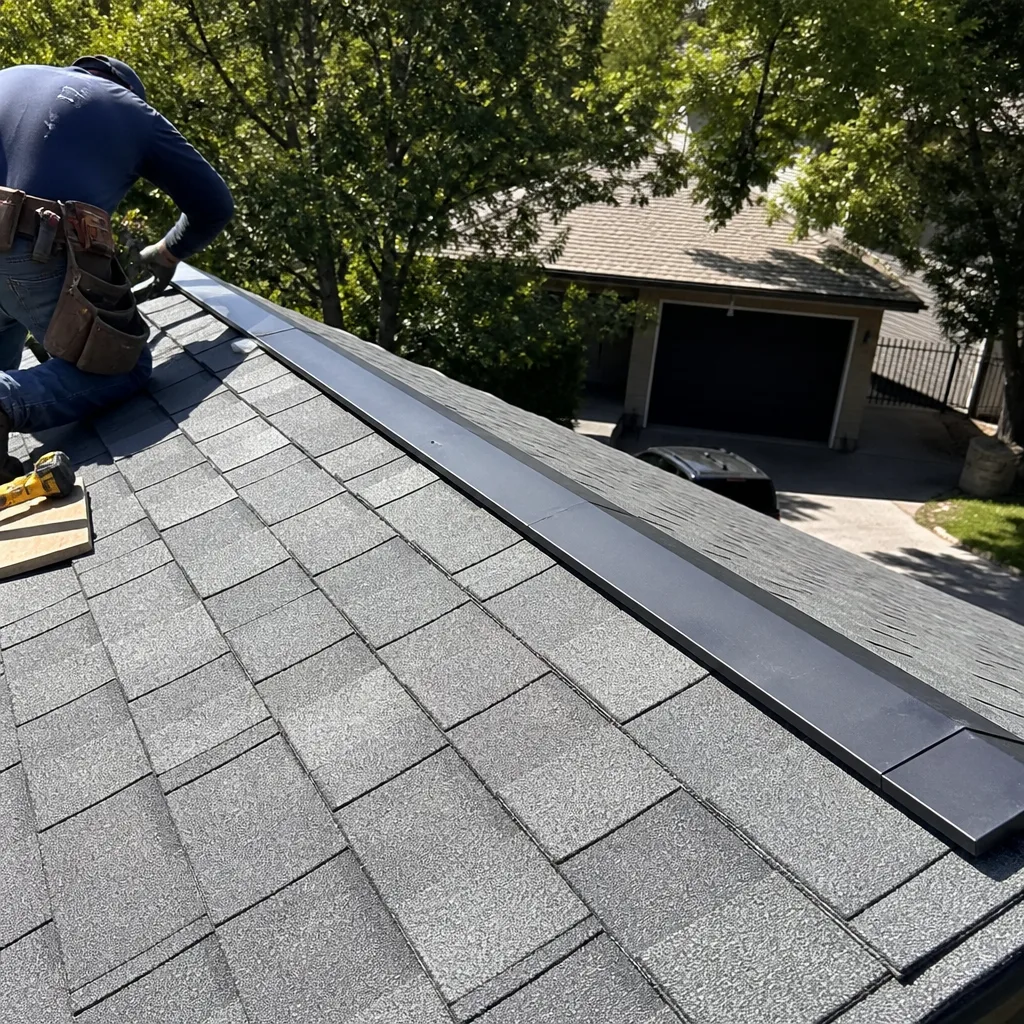 After
AfterReplacement Cost & What’s Included
Here’s what IKO flashing replacement costs in Thousand Oaks, based on the jobs we’ve completed across the city over the past few years. Every quote is written and fixed before we start, so these are the numbers you’ll actually pay, not a bait range.
- Pipe boot flashing replacement: $380 – $520 installed, including a new galvanized or aluminum boot, new shingle sealant, and removal of the old boot without disturbing surrounding shingles.
- Step flashing at a wall (one wall, single-story): $520 – $780 installed, including lifting existing shingle courses, installing new step flashing at proper head lap per IKO specs, and re-sealing.
- Valley flashing replacement: $640 – $940 installed, depending on valley length and whether we’re installing W-style metal valley flashing or re-weaving shingles through the valley.
- Chimney flashing replacement (cricket included): $780 – $1,150 installed, including counter-flashing, base flashing, and sealing the reglet cut into the masonry.
What drives the range: accessibility, roof pitch, whether the existing flashing was installed with roofing cement that has to be meticulously removed, and whether we find decking damage underneath from the leak. If decking is water-damaged, we’ll show you photos and give you a per-sheet price before we cut anything. Every flashing replacement includes our 365-Day Done Right Promise in writing: if the repair isn’t right within a year, we come back and make it right at no charge. A free second visit is included with every repair, period.
DIY or Call Us?
Here’s what a homeowner can safely do: look at the flashing from the ground or from a ladder leaned against the wall, take photos, and note where water stains appear inside. That’s genuinely useful information when you call. What almost no homeowner should do is walk a pitched roof in Thousand Oaks and attempt a flashing repair themselves. The work requires lifting shingles without cracking them, cutting and bending flashing to code, and knowing when to replace the material around the flashing rather than just sealing over a problem. The falls we worry about aren’t from walking flat roofs on a windy ridge; they’re from homeowners stepping backward on a 6/12 pitch while looking at a wall flashing leak.
If you’ve got a leak near flashing, the cheapest fix is usually the one done before water reaches the decking. Call us at (805) 309-3314, describe what you’re seeing, and we’ll give you a written estimate before any tool comes off the truck.
FAQs
In Thousand Oaks, flashing life depends heavily on material and sun exposure: galvanized step flashing commonly lasts 15 – 20 years on the shaded side of a house and 12 – 15 years on the south-facing side, while rubber pipe boot collars often fail in 8 – 12 years because of UV degradation. Aluminum flashing lasts longer in our climate, but costs more up front. If your flashing is original to a roof installed before 2005, it’s worth a close look this season. Call (805) 309-3314 and we’ll give you an honest assessment without pushing a replacement you don’t need.
Sometimes, yes, but only when the flashing itself is still structurally sound and the leak is at a sealant joint. A proper repair means cleaning the metal, removing old sealant, and re-sealing with a roofing-grade sealant, then checking the lap. If the flashing has rusted through, cracked, or pulled away from the wall, patching simply delays a bigger leak. We’ll tell you which situation you have, with photos, before you spend a dollar. Estimates are free at (805) 309-3314.
Most pipe boot flashing replacements are done in under two hours. A full step flashing replacement along one wall generally takes half a day, and a chimney flashing job with a cricket can take a full day. We’ll give you a written time estimate alongside the written price, so you can plan around it.
Yes. Our trucks carry standard 10-by-8-inch step flashing, pipe boot flashing in multiple sizes, and valley flashing stock in galvanized and aluminum. We also work with GAF, Owens Corning, and CertainTeed systems regularly, but if your roof is IKO, we’ll match the flashing spec to IKO’s published installation requirements. If a special-order piece is needed, we’ll tell you before you commit, not after we’ve started.
If you’ve got an IKO roof in Thousand Oaks and you’re seeing any of the signs above, the next step is simple: call (805) 309-3314. A live person answers, day or night. We’ll schedule an estimate, send you the name and photo of your technician before they arrive, and put a written, fixed price in your hand before any work starts. That’s how we’ve done it since Mercer Roofing was founded in 2000, and it’s the Threshold Standard we’re held to on every visit. A roof should protect you quietly, and if you’re thinking about yours, something’s wrong.
Written by Grant Whitlock, Owner, Mercer Roofing Co Thousand Oaks at Mercer Roofing Co Thousand Oaks, serving Thousand Oaks and nearby areas.