
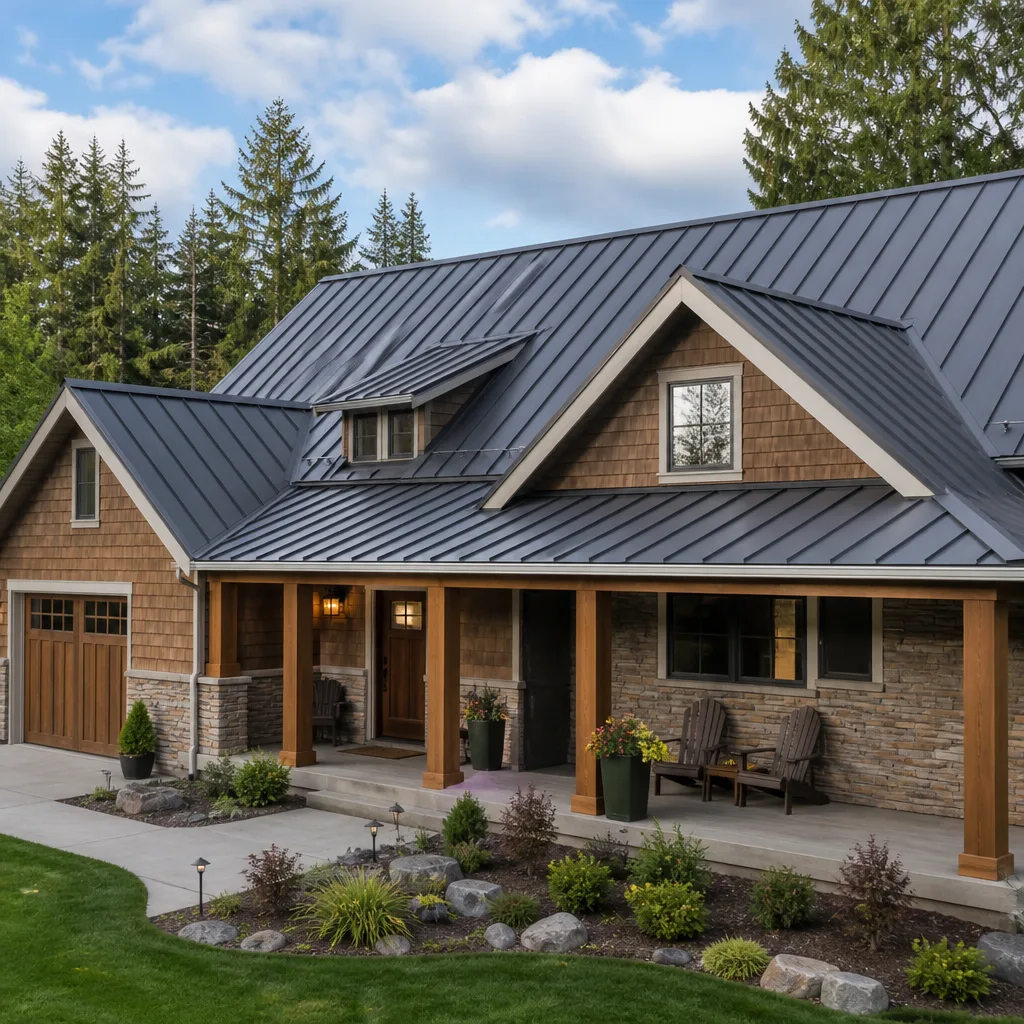
 Metal roofing
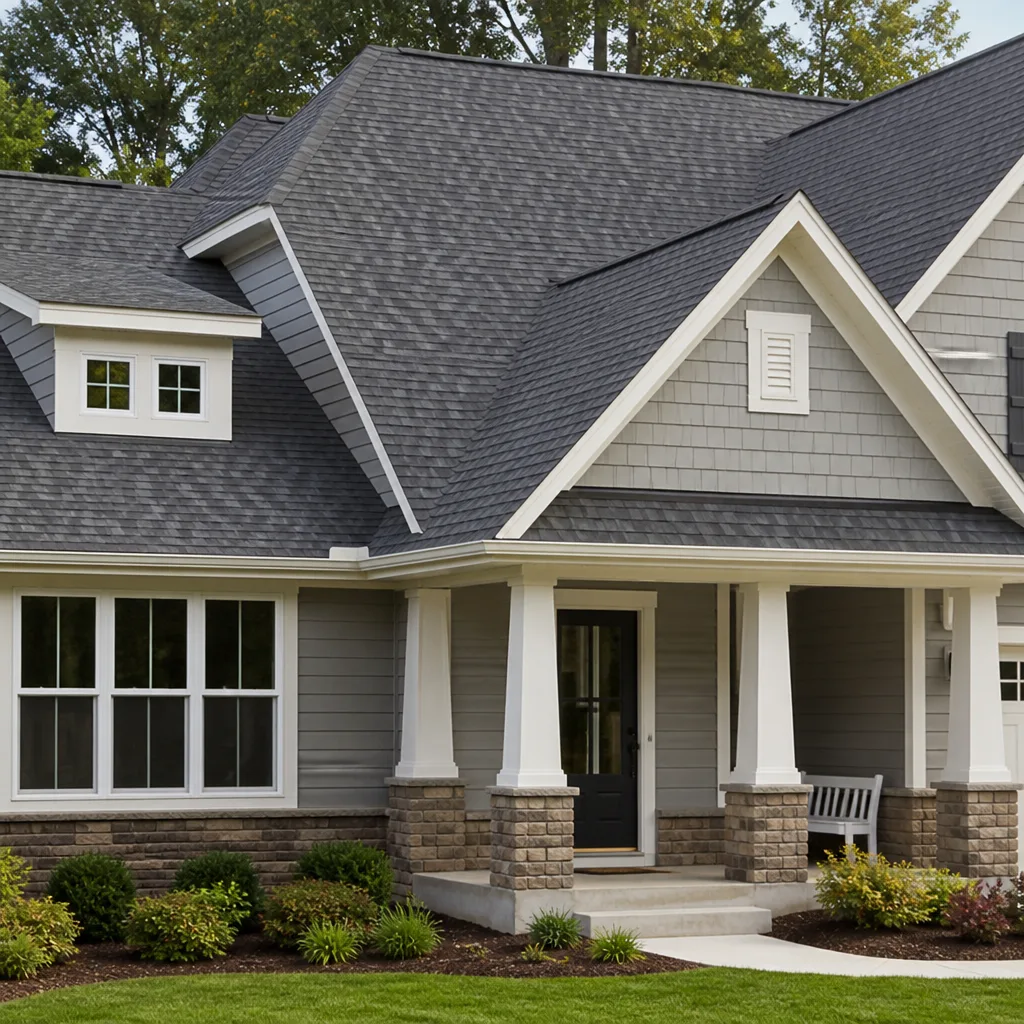 Architectural shingles
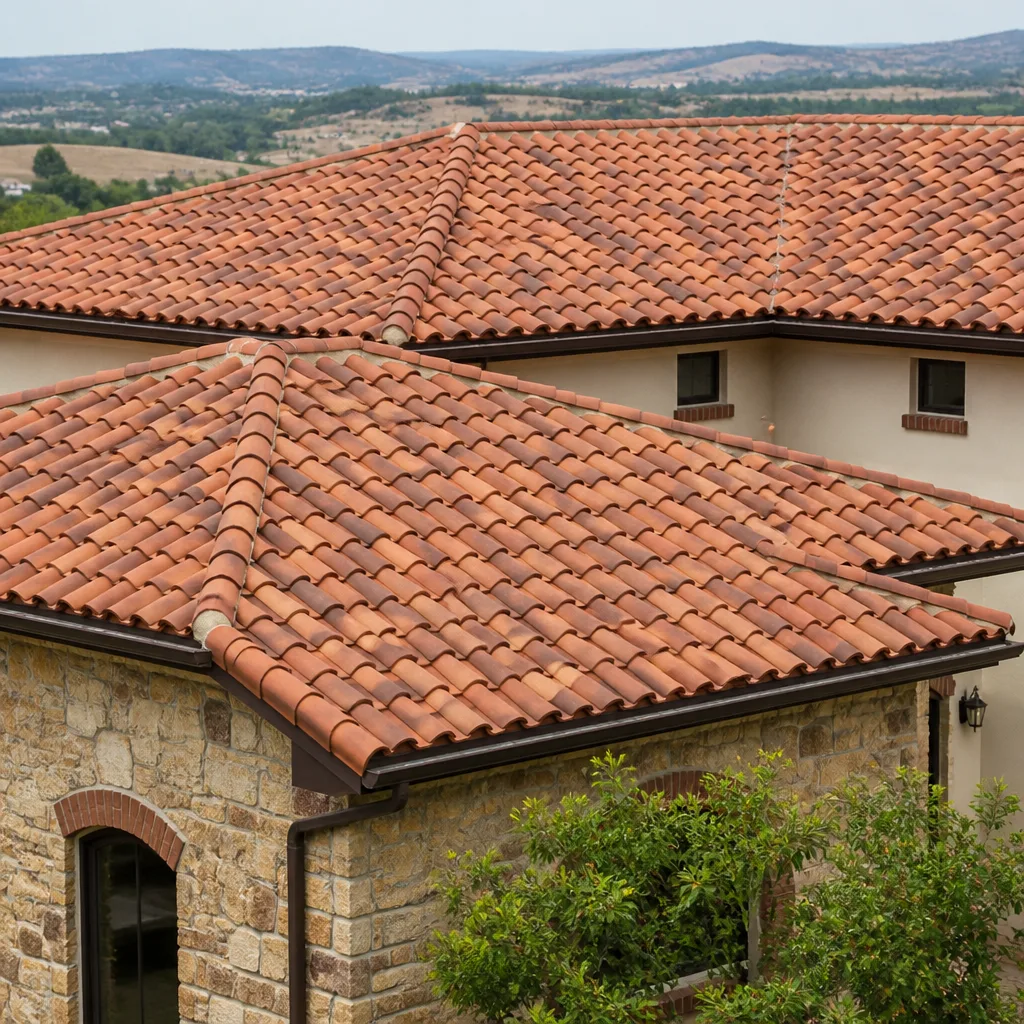 Tile roofing
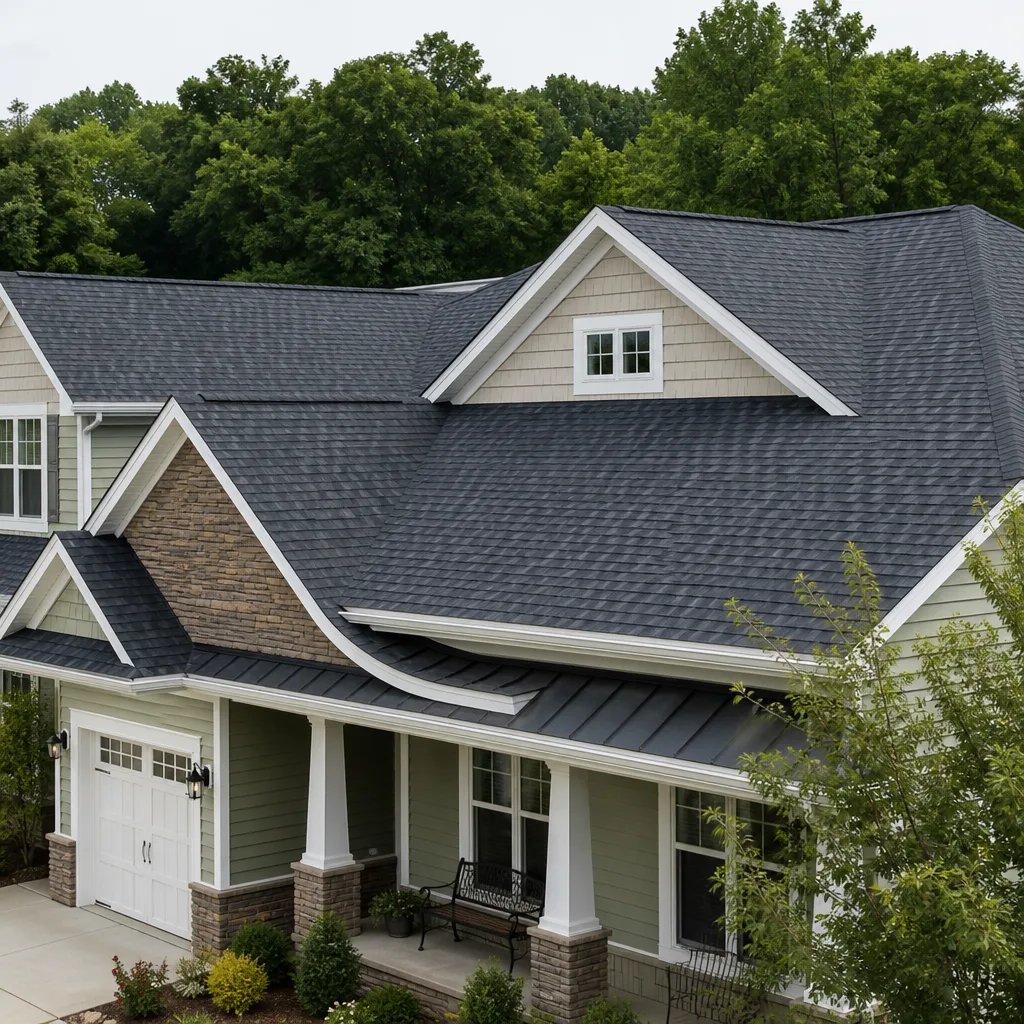 GAF
GAF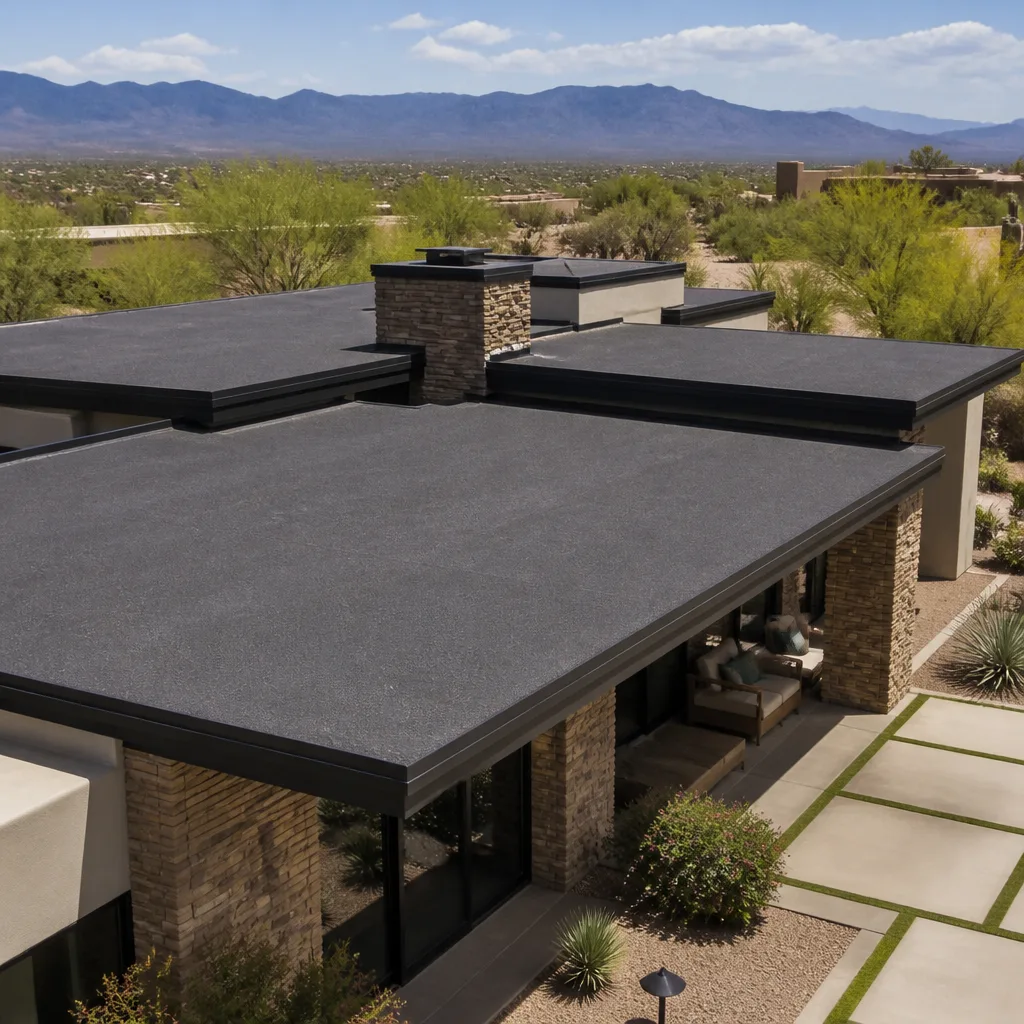 Flat & low-slope
Free roof inspection with deck photos before we talk money - GAF and Owens Corning certified installation
Fast, Reliable Roof Installation Across Simi Valley
Roof installation in Simi Valley runs $11,500 – $28,000 for a typical single-family home, with most full tear-offs landing between $14,000 and $19,000 depending on material choice and roof complexity. That’s the honest range we quote, and every written price comes before a single nail is driven. If you’re in the Texas Tract, Wood Ranch, or up against the foothills off Long Canyon, the conditions on your street shape what a new roof actually needs to survive. Call (805) 309-3314 and we’ll walk your roof, in person, before you spend a dollar.
Why Mercer Roofing Co Thousand Oaks Is Simi Valley’s Preferred Roof Installation Company
Our Roof Installation team knows what Simi Valley’s older homes hide under the tile. The original lightweight concrete tiles that went on in the 1960s and 70s look fine from the curb, but what sits underneath them often isn’t. We’ve pulled enough of them to know the underlayment has frequently turned to powder, and that changes the whole job from a cosmetic fix to a waterproofing rebuild. Homeowners in the tracts east of the 118 call us because we tell them that before the contract, not after the tear-off.
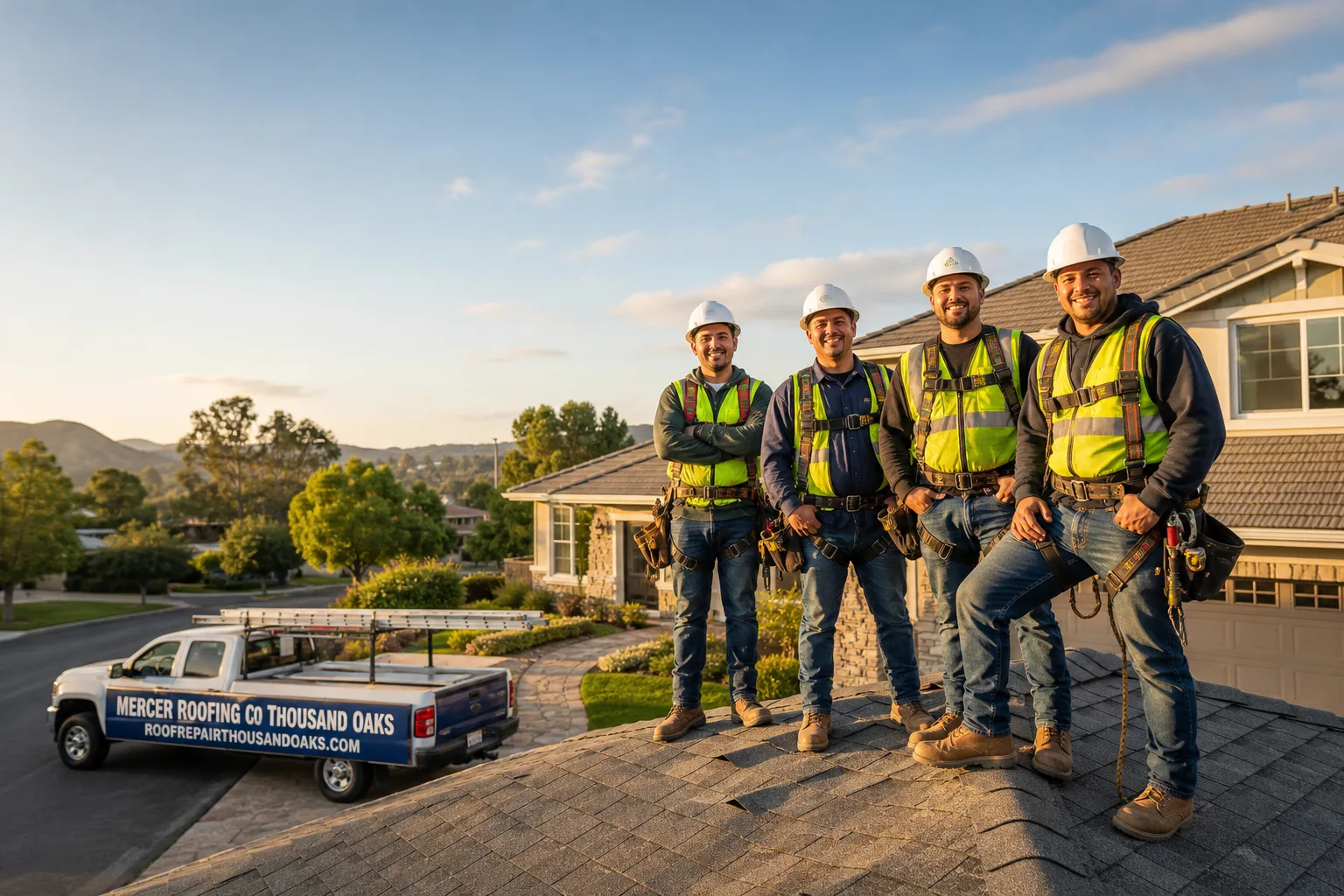
Every technician who steps onto your Simi Valley property is background-checked, identity-verified, and arrives in a clean uniform with a photo ID badge. We send their name and photo before they arrive, so the person at your door is never a surprise. That’s the Threshold Verified standard, and it’s how Mercer Roofing has operated since 2000 as part of the Threshold Group family of home-service companies. Grant Whitlock leads our team, and his rule is simple: a written price before any work starts, every time. Our 365-Day Done Right Promise means if it’s not right within a year, we make it right. In writing.
Styles & brands we work with
Roof Flashing Installation in Simi Valley
Roof flashing installation in Simi Valley is the difference between a roof that sheds water and one that leaks at every transition point, which is exactly where Santa Ana winds drive rain sideways into the valleys, chimneys, and wall intersections on homes throughout the valley. Flashing is the metal, typically galvanized steel or aluminum, that bridges the gaps where roof planes meet vertical surfaces. When it fails, you get water migration under the shingles and into the sheathing, often without a visible leak inside until the damage is already done. On a Simi Valley re-roof, we inspect and replace flashing as a standard part of the installation, because old flashing left in place under new roofing material is a guaranteed future call-back.
Where flashing fails first
On the two-story Mediterranean-style homes built in the 1980s and 1990s, the most common failure point is step flashing along side walls where the second story meets a lower roof plane. The original installers often used thin, uncoated metal that has since corroded through. In the foothill streets near the Santa Susana Mountains, wind-driven embers can also work their way behind loose flashing, which is why we bed new flashing in roofing mastic and, in wildfire-prone areas, recommend ember-resistant flashing details.
What new flashing costs here
New flashing as part of a full roof installation typically adds $1,800 – $3,400 on a Simi Valley home, depending on chimney count, valley length, and whether we’re replacing decking underneath. When flashing is the only issue, a targeted repair runs $425 – $900. We’ll never write a flashing line item without walking the roof first, because the real condition of what’s up there tells us more than any satellite photo can.
TPO Roofing Installation in Simi Valley
TPO roofing installation in Simi Valley is the smart choice on low-slope or flat sections you’ll find on many 1970s ranch homes and mid-2000s additions where a pitched shingle roof would shed water too slowly. TPO, or thermoplastic polyolefin, is a white single-ply membrane that reflects heat rather than absorbing it, which matters on Simi Valley roofs where summer surface temperatures routinely push past 140 degrees Fahrenheit. The white surface lowers attic temperatures, which directly cuts cooling costs in July, August, and September. We heat-weld the seams rather than gluing them, so the membrane becomes a single continuous water barrier instead of a patchwork waiting to peel.
When TPO makes sense here
If your Simi Valley home has a low-slope section over the garage, a patio cover, or a flat-roofed addition, asphalt shingles on that section are a slow leak waiting to happen. Low slope means water sits longer, and shingles aren’t designed for standing water. TPO handles it. The membrane also carries Class A fire ratings when installed over appropriate substrates, which matters for foothill-adjacent homes where ember exposure is a real concern. For a typical 400 – 600 square foot flat section in Simi Valley, TPO installation runs $6,800 – $9,600 installed.
Energy effect you’ll notice
Simi Valley’s hot, dry summers turn dark roofs into radiators. A white TPO membrane reflects a significant portion of solar radiation, and homeowners regularly tell us their upstairs rooms stop being ovens in the afternoon. On the ranch homes off Erringer Road and Sycamore Drive, where the original flat sections are often built-up tar and gravel that’s now cracked and alligatored, the switch to TPO is almost always an energy upgrade, not just a leak fix. We’ll write the exact cost on your estimate.
Trusted Brands We Service in Simi Valley
We install and repair shingle and tile roofs using manufacturer-recognized products from CertainTeed, Owens Corning, and IKO, along with Atlas underlayment systems. When we install a roof, it’s installed to the manufacturer’s published specification so the material warranty actually means something. We keep common flashings, underlayment, and ridge components on hand for Simi Valley jobs, which means we aren’t waiting on a supply run out of Los Angeles to finish your roof. For concrete tile roofs we work extensively with Boral tile and can match existing profiles on most Simi Valley tract homes built between 1965 and 1990.
Common Roof Installation Problems We See in Simi Valley Homes
- Underlayment turned to dust. On pre-1980 tract homes east of the 118, the original lightweight concrete tiles often look passable from the curb, but the felt underlayment beneath them has disintegrated into powder. That means the tile is no longer waterproof, and a cosmetic patch won’t fix anything. A full tear-off down to the decking is the only responsible repair.
- Wind-driven ember intrusion in foothill areas. Homes along the Santa Susana foothills and in Wood Ranch were built when gable vents and standard valley flashing were the norm. Those openings are exactly what wind-driven embers find first. We recommend and install ember-resistant venting and Class A fire-rated assemblies on every foothill roof we replace.
- Nail pops and lifted shingles from UV and Santa Ana winds. Composition shingle roofs across Simi Valley take intense direct sun year-round. The asphalt degrades faster than it does in coastal towns, causing nail pops and shingles that lift at the edges. When we re-roof, we inspect the decking beneath every lifted shingle because water has usually been working its way in for years.
- Sheathing rot hiding under “good-looking” roofs. In the older tracts around the Texas Tract neighborhood and near Katherine Road, we regularly find the OSB or plywood sheathing soft and delaminated once the old roof comes off. Since the decking is what your new roof actually gets nailed to, replacing compromised sections is not optional, and we’ll show you exactly which sheets are coming out and why before we cut anything.
See the difference
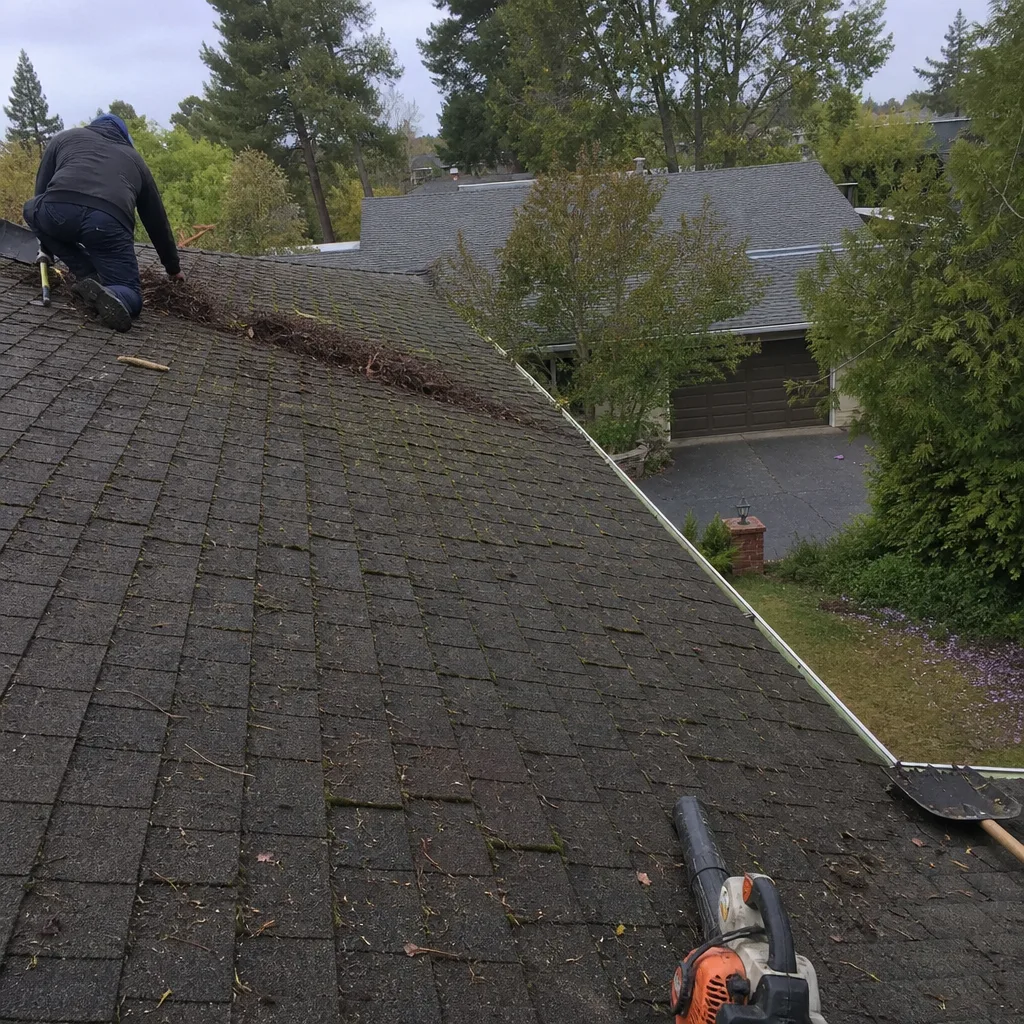 Before
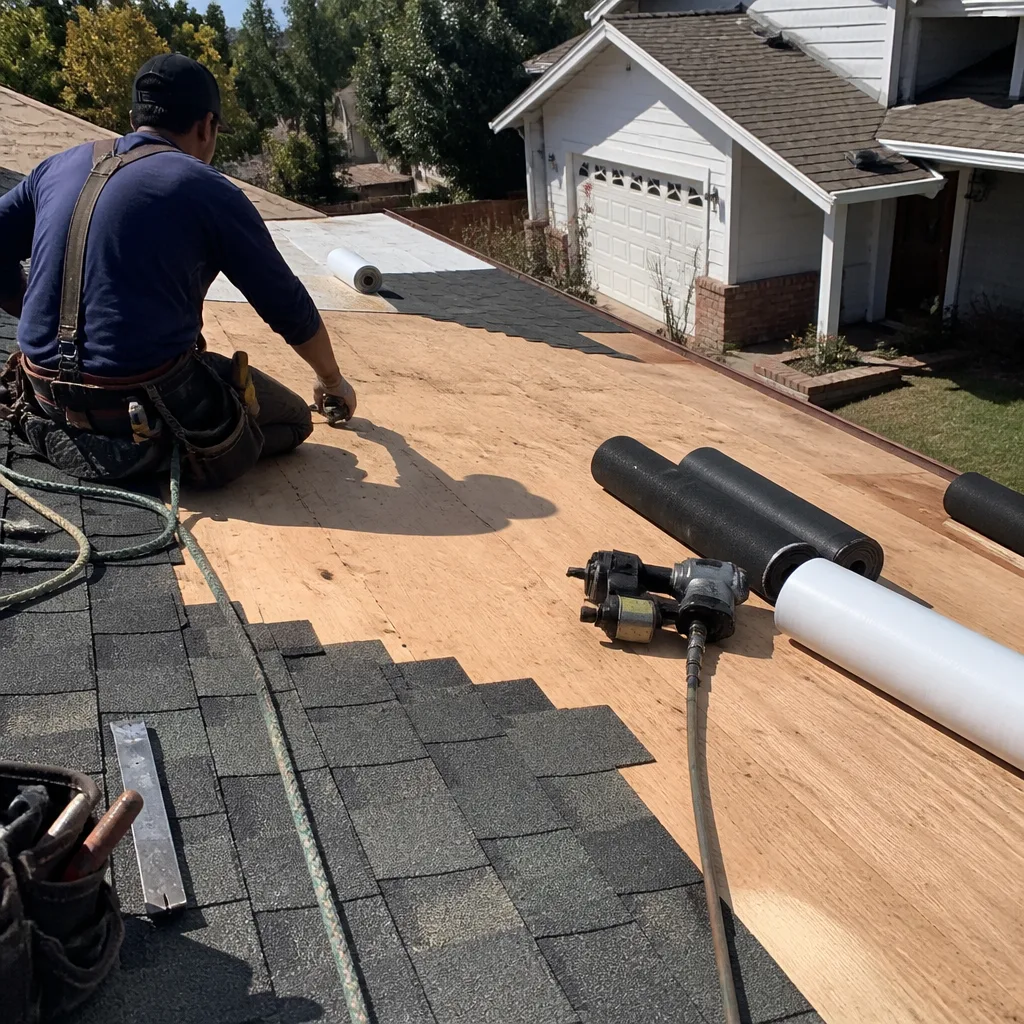 After
After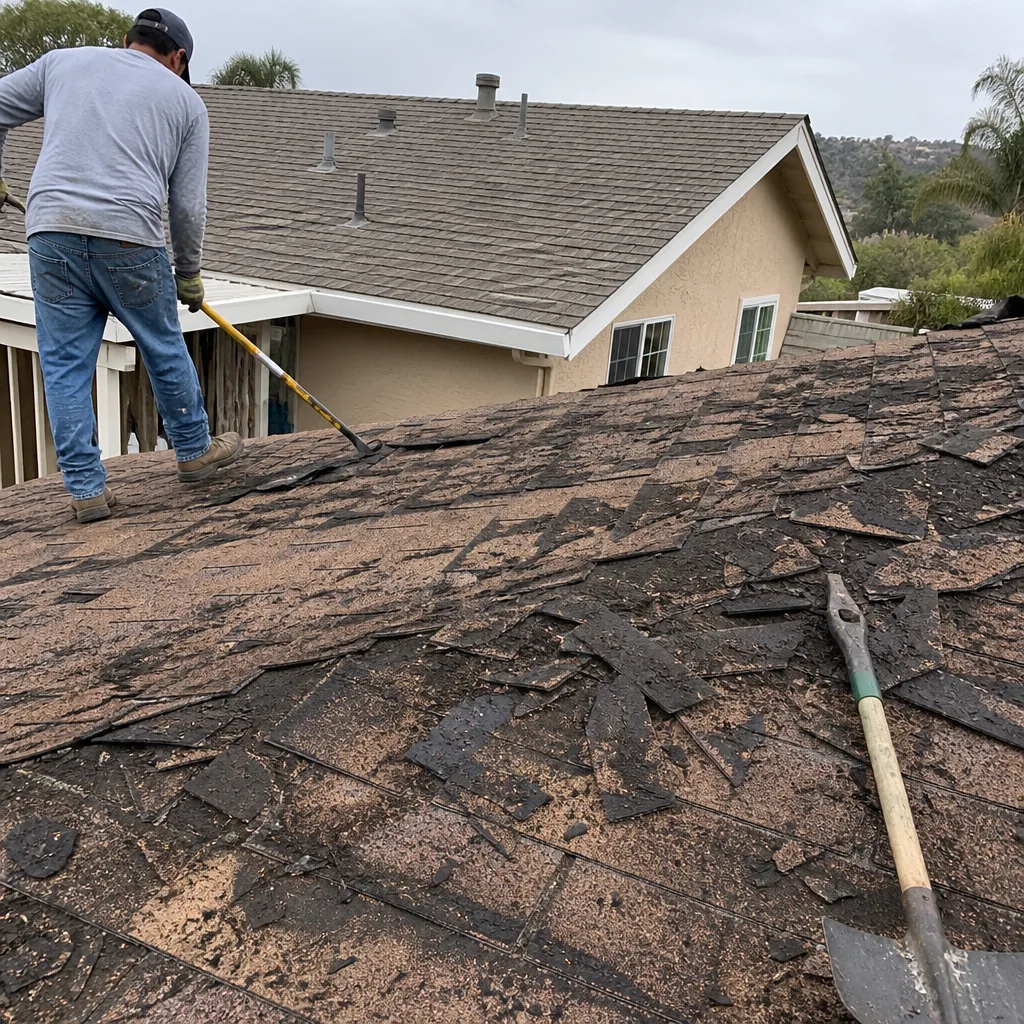 Before
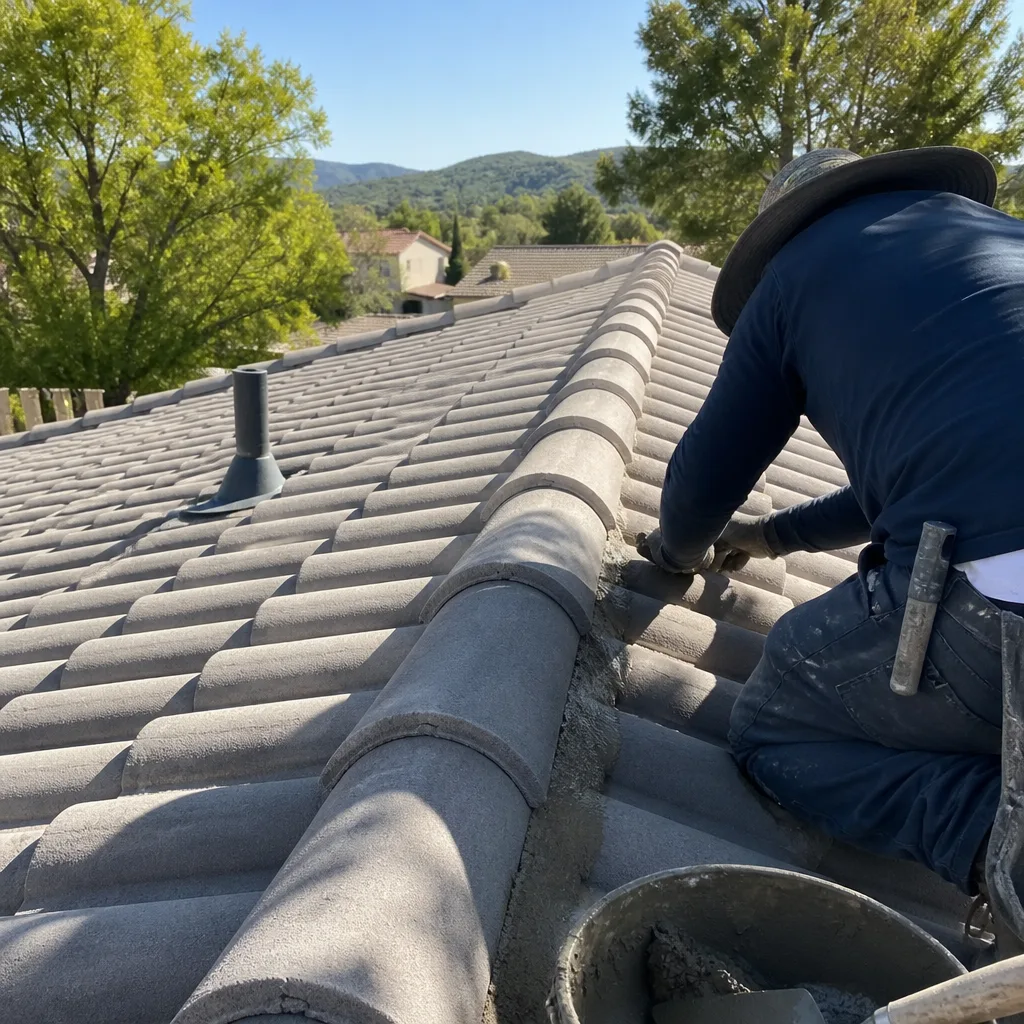 After
After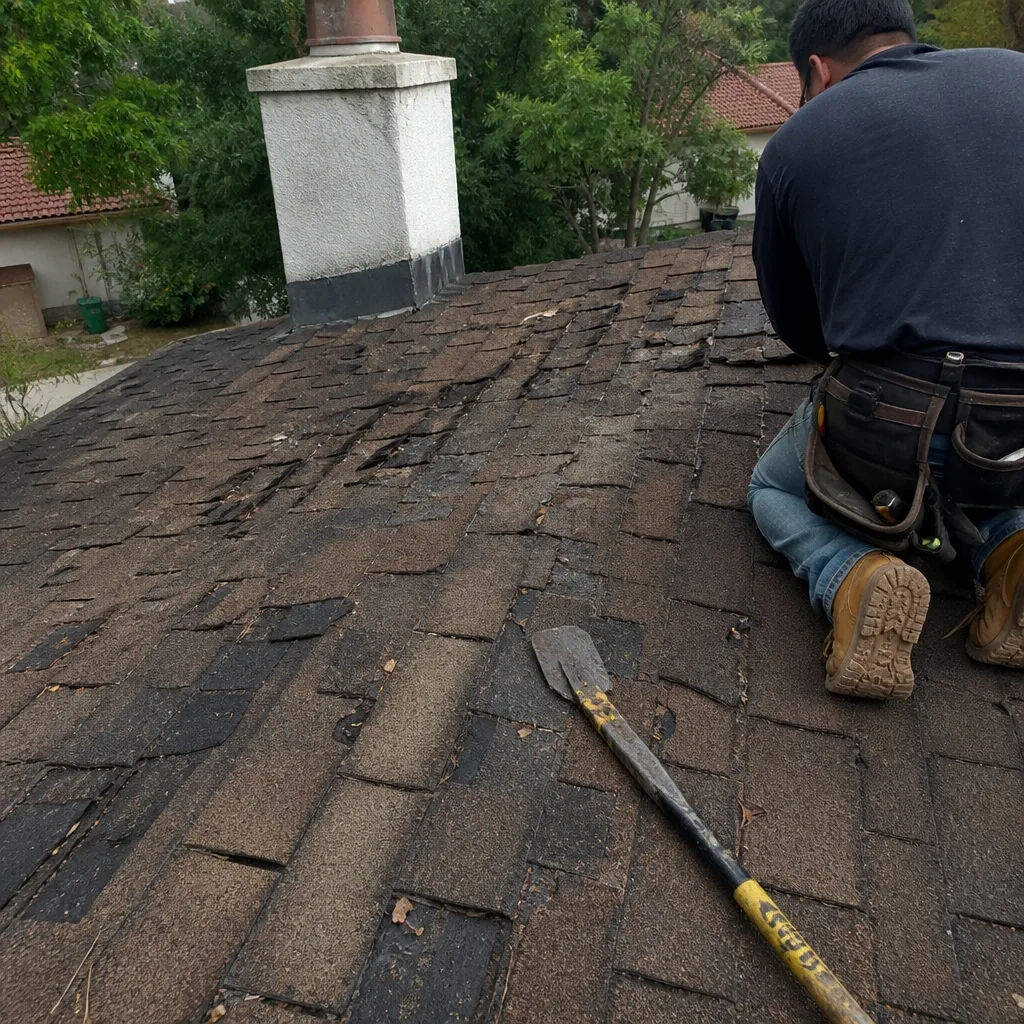 Before
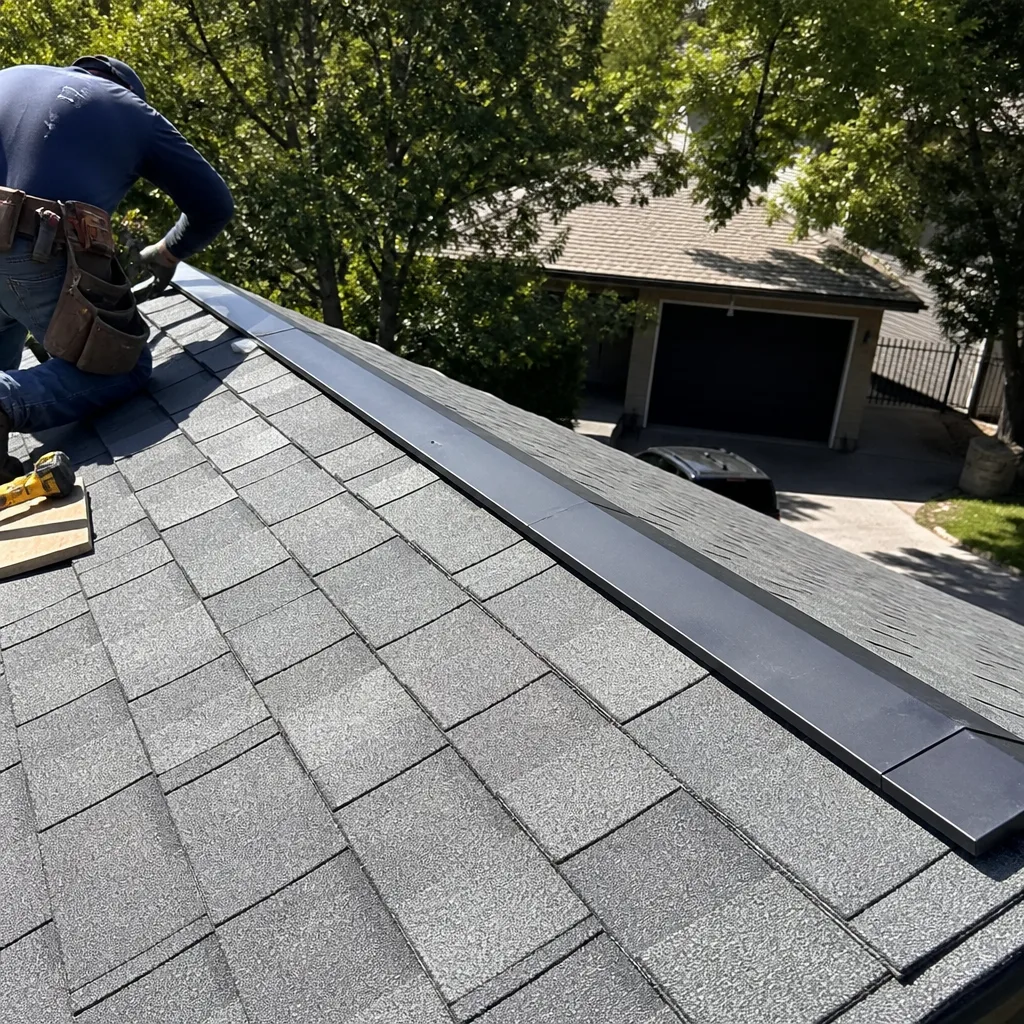 After
AfterPricing for Roof Installation in Simi Valley, CA
A full roof installation in Simi Valley typically runs between $14,000 and $19,000 for a standard single-family ranch home with a composition shingle roof from CertainTeed or Owens Corning. Larger two-story Mediterranean-style homes, or homes in the 2,800 – 3,400 square foot range, run $19,000 – $28,000. Concrete tile reroofs run $21,000 – $34,000 depending on tile profile and whether the underlayment system needs full replacement, which it almost always does on original 1960s – 80s installs. Sheathing replacement, when needed, adds $2.50 – $3.10 per square foot for the sections that come out. These are written line-item numbers, not guesswork, and they come with the 365-Day Done Right Promise on every job. Call (805) 309-3314 for a free estimate in Simi Valley, and we’ll put every number in writing before you decide.
We Also Serve Cities Near Simi Valley
Our crews cover Simi Valley and the surrounding communities. We regularly install roofs in Moorpark, Oak Park, Thousand Oaks, and Westlake Village. If you’re in one of those cities and facing the same aging-roof realities we see throughout this stretch of Ventura County, call (805) 309-3314 for the same written-price commitment.
Serving Simi Valley, CA - Our Local Coverage Area
We’re based in the Simi Valley area and know this community well. Use the map below to see our service coverage - if you’re nearby, we can almost certainly help.
FAQs About Roof Installation in Simi Valley
You can’t, because the tile is not the waterproofing layer on a Simi Valley tile roof. On original 1960s – 80s tract homes, the felt underlayment beneath the tile has usually disintegrated completely, meaning water passes straight through the tile and onto bare decking. Patching a cracked tile just replaces the cosmetic layer while the actual waterproofing failure underneath remains. In Simi Valley’s hot, dry conditions, this underlayment dust-out is the single most common roof failure we see on homes east of the 118. The fix is a full tear-off, new underlayment, and tile reinstallation. Call (805) 309-3314 and we’ll inspect your underlayment directly before anyone sells you anything.
Yes, the City of Simi Valley requires a building permit for roof replacements that involve a tear-off and new installation, and our crews handle the permitting from start to finish. The permit process includes a plan review and a final inspection, and it’s the mechanism that verifies your new roof meets current California Building Code and Title 24 energy requirements. We include permit fees as a line item on your written estimate, never hidden in a lump sum. Once the roof is installed, the city inspector walks it, and we don’t accept payment in full until that inspection passes. Call (805) 309-3314 if you want a written breakdown that includes permits from day one.
The best materials for Simi Valley’s climate are concrete tile, slate-look tile, or high-quality composition shingles with heavy granule embedment and high wind ratings, because the valley’s intense UV exposure and periodic Santa Ana winds destroy cheap shingles within a decade. For flat or low-slope sections, a white TPO membrane from a manufacturer like CertainTeed or GAF reflects heat and holds up better to sustained sun than dark modified bitumen. On foothill-adjacent streets with wildfire exposure we recommend Class A fire-rated assemblies and ember-resistant venting, regardless of material choice. Your street’s specific wind exposure and sun orientation changes the right answer more than a generic recommendation can. We’ll walk your roof and tell you what works for your exact lot before we write anything.
A square is 100 square feet of roof surface, and comparing quotes in squares means dividing each bid’s total price by the number of squares each contractor measured. In Simi Valley, a typical 1,800 – 2,200 square foot ranch home has roughly 22 – 27 squares of roof area. If one quote measures 24 squares and another measures 29 for the same house, someone mismeasured, and everything downstream from the square count is wrong. When we quote a roof, we walk the roof and measure it in person, and we write the square count on the estimate so you can compare line by line. Keep in mind that the cheapest per-square number may include no underlayment replacement, cheap flashing, or no sheathing allowance. Get the line items in writing, then decide.
Yes, and if you’re replacing an old, dark roof it’s often one of the biggest single improvements you can make to upstairs comfort. In Simi Valley’s inland heat, attic temperatures on dark roofs climb high enough to radiate through ceiling insulation into living space. Replacing that roof with lighter-colored shingles, or a white TPO membrane on flat sections, plus adding modern ridge and soffit ventilation, drops attic temperatures meaningfully. The energy effect is most pronounced on ranch homes and two-story homes with little tree cover, which describes much of the valley between the 118 and the foothills. The exact spec depends on your roof’s orientation and deck condition, so call (805) 309-3314 and we’ll factor ventilation and material reflectivity into your written estimate.
What a Simi Valley Roof Installation Actually Involves
Most Simi Valley roof installations start with a discovery process that no satellite image or drive-by estimate can replicate. In the older tract neighborhoods like the Texas Tract, where original lightweight concrete tile from the 1960s and 70s still covers thousands of homes, the tile itself usually isn’t the problem. On a ranch home there recently, our crew lifted cracked Boral concrete tiles to find the original felt underlayment had disintegrated into powder, leaving the decking exposed underneath. We replaced the decking, installed a high-temperature self-adhered underlayment as a secondary water barrier, and reinstalled new Class A tiles with a modern ridge vent. That homeowner now has a roof that actually sheds water before it reaches the sheathing. Your roof may not need the same scope, but you won’t know until someone physically lifts tiles and checks. That’s how we quote every Simi Valley job: first the inspection, then the numbers, all in writing.
Once walls open during a remodel, surprises surface. A roof is the same way, except the surprise is usually already there, hidden under what looks fine from the street. Grant Whitlock’s approach is to handle that before it becomes an invoice you didn’t expect. We inspect first. We write allowances into the contract for the known-unknowns on Simi Valley roofs, like decking that’s soft around old flashings or tile that’s thin and brittle from decades of UV. If we find something outside the allowance, the price is approved by you in writing before we touch it. That’s the only way a five-figure job should work: certainty on paper, from a company that has been doing it that way since 2000.
Ready for a real number? Call (805) 309-3314 for a free roof installation estimate in Simi Valley. A live person answers, every time. We’ll send a background-checked, photo-badged technician with a written price before any work starts.
Written by Grant Whitlock, Owner at Mercer Roofing Co Thousand Oaks, serving Simi Valley since 2000.