
Last updated October 17, 2026
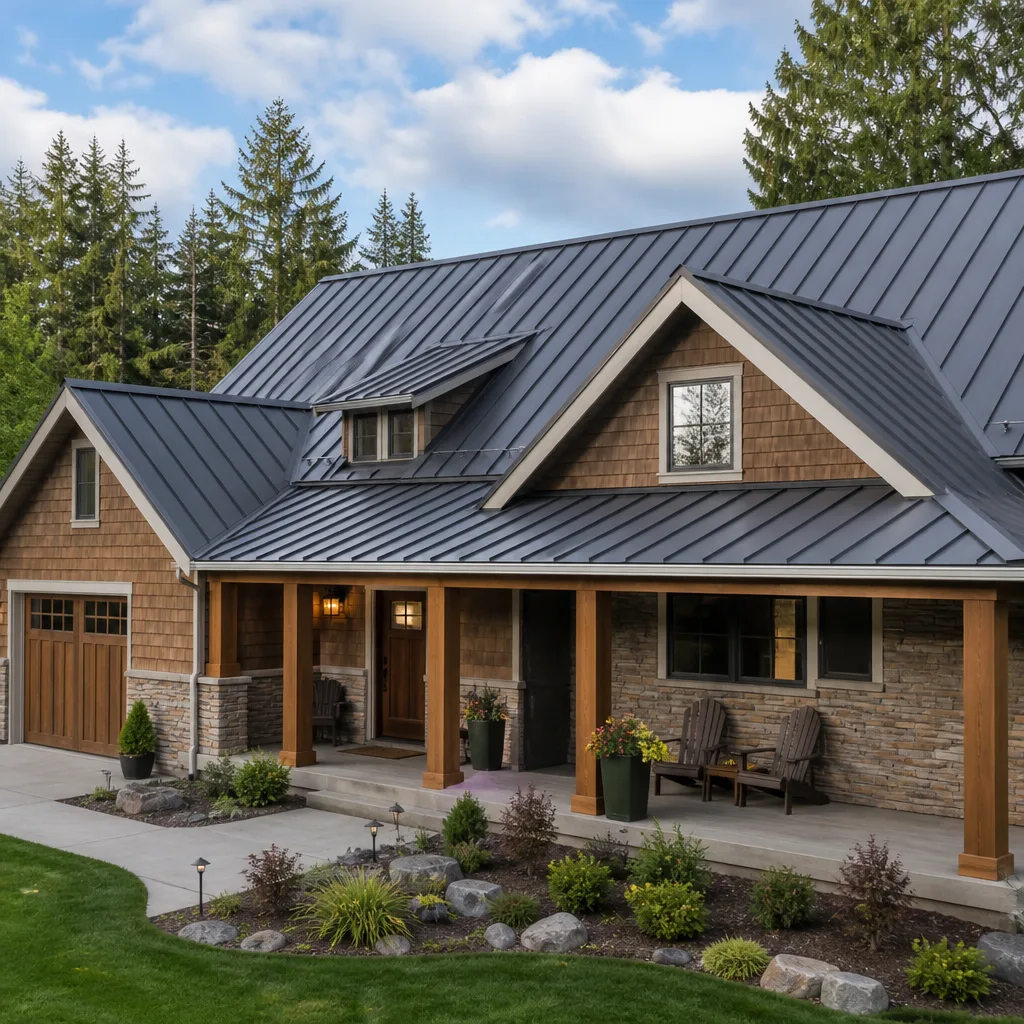 Metal roofing
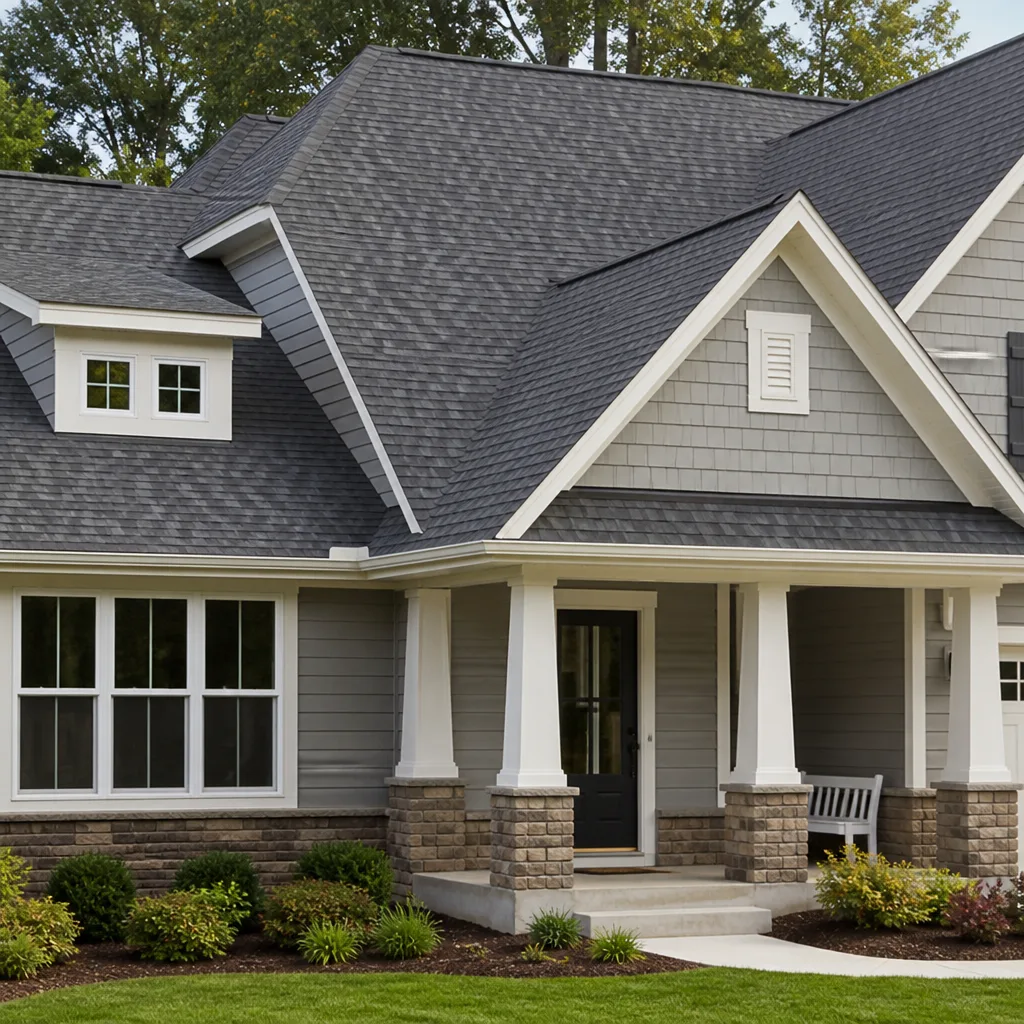 Architectural shingles
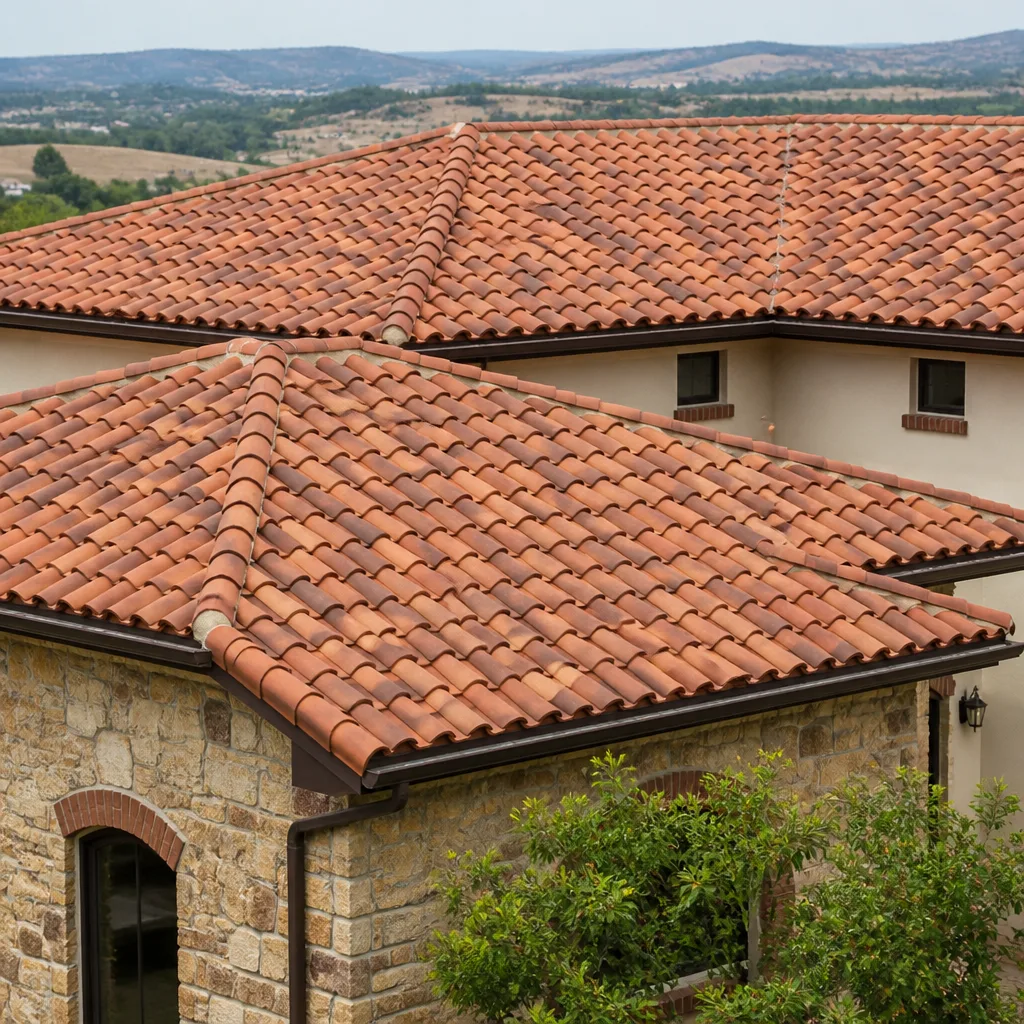 Tile roofing
 GAF
GAF Flat & low-slope
Free roof inspection with deck photos before we talk money - GAF and Owens Corning certified installation
Roofing Permits, Codes & Inspections in CA: What You Need to Know
Here’s the number most Thousand Oaks homeowners never hear until it’s too late: $300 to $600. That’s what a roofing permit costs in Ventura County. Skip it, and you’ll likely discover the real price at escrow, when a title search flags unpermitted work and the buyer’s agent demands the roof be re-inspected or credited at full replacement value. In this guide, we’ll walk through exactly when Thousand Oaks requires a permit, how California’s Title 24 energy code limits your material choices, what the fire-zone rules mean for your neighborhood, and how the inspection process actually plays out. For a broader look at protecting your home, see our Roofing Warning Signs: A Thousand Oaks Homeowner’s Reference Guide. You’ll finish knowing precisely what to ask any roofer before they touch your decking.
Quick Answer
A roofing permit in Thousand Oaks is required for any project that replaces or alters roof decking, structural framing, or more than 25% of the roof covering in a 12-month period. Like-for-like shingle replacements of less than 100 square feet generally fall under the city’s minor repair exemption. Permits typically cost between $300 and $600, take 1 to 3 weeks to issue, and require two inspections: one mid-project and one at completion.
Styles & brands we work with
Table of Contents
- When Does Thousand Oaks Require a Roofing Permit?
- How California’s Title 24 Cool-Roof Rules Affect Your Re-Roof
- Fire Hazard Severity Zones in Ventura County: What You Can and Can’t Install
- The Inspection Sequence: What the Inspector Actually Checks
- How to Pull a Permit History on Any Home in Ventura County
- Real Costs: Permit Fees, Inspection Fees, and What They Add Up To
- Common Mistakes to Avoid
- When to Call a Professional
- Frequently Asked Questions
- The Bottom Line
When Does Thousand Oaks Require a Roofing Permit?
Thousand Oaks follows the 2022 California Building Code with local amendments adopted by the city’s Building Division. The key threshold is this: if your project replaces more than 25% of the roof covering (shingles, tile, or membrane) within any 12-month period, you need a permit. That’s not a Mercer rule. That’s the city’s rule. And it applies even if you’re putting the same material back on.
Here’s where the exemption ends and the permit begins. The city’s “like-for-like” repair exemption covers small patches: a few missing shingles after a wind storm, a section of flashing that pulled loose, isolated tile replacement. Anything under roughly 100 square feet of roofing area, done as a repair rather than a replacement, typically doesn’t trigger a permit. But the moment you start pulling off old shingles to expose decking across a whole roof plane, or you replace any section of plywood decking, or you alter the roof structure in any way, you’re in permit territory.
Our crews work on homes across Thousand Oaks from Newbury Park to the Conejo Valley hillsides, and we’ve seen city inspectors flag unpermitted work as small as a partial re-roof that crept just over the 100-square-foot line. The city’s enforcement isn’t aggressive in the moment, but it’s unforgiving later. When you sell, the title company pulls records from the Ventura County Assessor and the city’s Building Division. A gap in the permit record creates a title condition that must be resolved before closing.
What counts as “roofing work” under Thousand Oaks code?
- Replacing the roof covering: shingles, tile, metal, or membrane replacement over any area larger than 100 square feet or 25% of the roof, whichever triggers first.
- Decking replacement: any plywood or OSB sheathing replacement, even a single sheet, requires a permit because it’s structural.
- Structural alterations: changing roof pitch, adding dormers, cutting new penetrations for skylights, or reinforcing rafters.
- Re-roofing over existing material: if you’re adding a second layer of shingles, Ventura County allows it under specific conditions, but Thousand Oaks requires an inspection to verify the roof structure can handle the added load.
- Solar installation: any roof-mounted solar array requires both a building permit and an electrical permit. The roofing portion of that work falls under the same code requirements.
If you’re unsure whether your project crosses the line, the city’s Building Division at 2100 Thousand Oaks Boulevard will review project descriptions over the phone or in person. Better yet, ask your roofer to pull the permit scope summary before work begins. A Roofing Company in Thousand Oaks that handles permits daily will know exactly where the line sits.
How California’s Title 24 Cool-Roof Rules Affect Your Re-Roof
California’s Title 24, Part 6 energy code changed roof replacement more than any other regulation in the last decade. For residential re-roofs, Title 24 requires that any new roof covering in Climate Zones 10 through 15, which includes all of Ventura County, meet minimum Solar Reflectance Index (SRI) values. In plain English: your new roof has to reflect enough sunlight to reduce cooling load. The code doesn’t care whether you like the look. It cares how hot your attic gets.
For steep-slope roofs (anything with a pitch over 2:12, which covers nearly all Thousand Oaks homes), the minimum SRI requirement is typically 16 for low-slope applications and 20 for steep-slope roofs, depending on the specific zone and the prescriptive or performance path chosen. Here’s what that means practically: most standard dark asphalt shingles fail the requirement. If you’ve got a dark-colored roof you love, you may need to switch to a cool-roof rated product, usually a shingle with reflective granules.
Which shingle brands meet Title 24 SRI requirements?
We install several brands that carry Cool Roof Rating Council (CRRC) listings. GAF’s Timberline Cool Series and CertainTeed’s Landmark Solaris lines both offer shingles rated above the SRI threshold in dark color blends. Tamko’s Titan Cool and some Owens Corning Duration Cool colors also pass. The key point: not every product from a brand is code-compliant, even within the same product family. A CertainTeed Landmark in “Charcoal Black” may fail Title 24, while the same shingle in “Solaris” cool colors passes. You can’t assume. That’s why we verify CRRC product ratings for every Roof Installation in Thousand Oaks before pulling the permit. The city inspector will check the product documentation at final inspection.
Tile roofs are a different story. If you have an existing concrete or clay tile roof in Thousand Oaks and you’re doing a partial repair or replacement, Title 24 allows field-applied reflective coatings to meet the SRI requirement. Boral and Eagle tiles both make cool-roof rated tile products. A full tile replacement generally requires either a CRRC-listed tile or an applied coating with a verified SRI. The good news for homeowners in neighborhoods like Lynn Ranch or Wildwood where tile predominates: you don’t have to abandon your tile profile. You may need to recoat or replace with a cool-rated tile, but the architectural character stays.
Fire Hazard Severity Zones in Ventura County: What You Can and Can’t Install
The Woolsey Fire changed how Thousand Oaks builds roofs. Large portions of the city, especially hillside neighborhoods north of the 101, sit within a Cal Fire-designated Fire Hazard Severity Zone (FHSZ). Ventura County adopted the 2022 California Fire Code, which imposes material restrictions on any roof replacement in these zones. The rule is straightforward: in a High or Very High FHSZ, the roof covering must be Class A fire rated. That’s not a suggestion. It’s a code requirement with no variance for aesthetics.
What does Class A mean? It means the roof assembly, including the covering and underlayment, has been tested to withstand a standard fire exposure without igniting. Most asphalt shingle roofs with fiberglass matting achieve Class A. Many tile and metal roofs do as well. But here’s the catch: some wood shake and shingle products, and certain out-of-state brands that aren’t listed on California’s approved roofing products list, don’t meet Class A standards. The state maintains a Building Materials Listing (BML) through the Office of the State Fire Marshal. If the product isn’t on the list, the Thousand Oaks inspector can’t approve it, no matter what the manufacturer claims.
In our experience working on homes in the FHSZ areas around Lang Ranch and Dos Vientos, we’ve had to tell homeowners that the cedar shake roof they wanted wasn’t installable without a Class A rated assembly underneath. There are ways to get the wood look with fire-rated synthetic products. CertainTeed’s Presidential Shake and some GAF wood-look lines carry Class A ratings. But it’s not the same as old-growth cedar, and it’s important to know that before you fall in love with a product sample.
The Ventura County Fire Department also enforces a 10-foot defensible space requirement around structures. Your roof isn’t independent of your landscape. When the inspector comes for final, they’ll be looking at whether your roof meets its Class A requirement, but the fire department may also check eave vents and gutter conditions. In FHSZ zones, eave vents may need to be fitted with noncombustible screening. It’s a detail many homeowners miss.
The Inspection Sequence: What the Inspector Actually Checks
A permitted roof in Thousand Oaks follows a predictable inspection sequence. Here’s the step-by-step, including what the city inspector looks for at each stage and how long it typically takes. For year-round maintenance tips, read our Seasonal Roofing Care for Thousand Oaks: Year-Round Homeowner’s Guide.
- Permit issuance. You or your contractor submits the permit application with a roof plan, product specs (including CRRC and fire ratings), and the permit fee. The city reviews within 5 to 10 business days. Simple re-roofs are often approved same-week.
- First inspection: underlayment / decking. The inspector comes after the old roof is torn off but before the new covering is installed. They check the decking for damage, verify the underlayment type, confirm any replaced sheathing is properly nailed, and check eave protection details. This inspection must be scheduled before underlayment is covered. In Thousand Oaks, this typically happens 1 to 2 days after tear-off.
- Mid-project inspection (if required). For larger projects, the inspector may require a nailing inspection to verify fastener spacing on the new decking or re-sheathing. Not all projects trigger this, but if your roof has structural repairs, it will.
- Final inspection. The inspector verifies the roof covering material matches the approved permit docs, confirms Class A fire rating where required, checks flashing details at penetrations, confirms the SRI product label, and verifies roof-to-wall connections where visible. Final inspection in Thousand Oaks typically happens within 2 to 3 days of project completion.
What causes a failed inspection? Most commonly: the wrong product installed (a shingle color or line that doesn’t match the CRRC listing), missing product documentation at the job site, improper flashing at a chimney or skylight, or unpermitted structural changes discovered during the process. A failed inspection means a correction notice and a re-inspection fee, usually $150 to $250. That’s not a Mercer charge. That’s the city’s re-inspection fee. It’s a line item on every permit record in Ventura County.
How to Pull a Permit History on Any Home in Ventura County
Buying a home in Thousand Oaks? Selling one? The permit history is public record, and pulling it takes about 30 minutes if you know where to look. You don’t need an agent. You need either the Ventura County Assessor’s property database or the city’s own Building Division portal.
Here’s the step-by-step:
- Find the APN (Assessor’s Parcel Number). Use the Ventura County Assessor’s online property search. Enter the street address. The APN appears with the property record.
- Cross-reference with the Thousand Oaks Building Division. The city’s online permit portal lets you search by address or APN. It shows all issued permits, including roofing, going back to the date the city digitized records, which for Thousand Oaks is approximately 1990. Older permits may require an in-person records request at the Building Division counter.
- Look for gaps, not just permits. A roof permit from 1998 followed by nothing doesn’t mean the roof hasn’t been touched since. It means the permit record ends there. If the roof has clearly been replaced since, but no permit exists, that’s the gap. Gaps matter at closing because they shift liability to the seller and the title company.
- Check for open violations. The city’s code enforcement database shows any active cases. Unpermitted roofing work that triggered a complaint will appear here. Open violations must be resolved before title transfer in most transactions.
In our experience helping homeowners through re-roofs that were flagged at closing, a permit history gap usually costs between $2,500 and $7,000 to resolve. That’s the re-inspection fee, the permit after the fact, any correction work, and the title credit negotiated with the buyer. If that sounds expensive, it is. And it’s entirely avoidable by pulling the permit in the current year, not the sale year.
For a frame of reference on what a licensed Roof Repair in Thousand Oaks contractor should be doing on every permitted job, take a look at their permit compliance process. If a roofer tells you “you don’t need a permit for this,” get a second opinion from the city. It’s a five-minute call to the Building Division.
Real Costs: Permit Fees, Inspection Fees, and What They Add Up To
Let’s talk dollars. Homeowners call us daily asking what a roofing permit costs in Thousand Oaks, and the answer is usually a range, not a single number. Here’s the breakdown:
Roofing permit fee (residential, typical re-roof): $300 to $600, calculated on the valuation of the work. The city uses a sliding scale; a full roof replacement on a 2,500-square-foot home typically lands around $450 to $550 in permit fees.
Re-inspection fee (if required): $150 to $250 per occurrence.
State fees: California adds a small Building Standards fee, usually under $50.
Plan check (if required for structural work): $200 to $400 for a typical residential roof with structural changes.
So a simple permitted re-roof in Thousand Oaks adds roughly $350 to $700 in city fees. That’s the part you see on the permit. What you don’t see is the cost of skipping it: title credits of $2,500 to $7,000 at sale, insurance claim denials if the roof fails and the insurer learns the work was unpermitted, and the stress of a closing deadline while a re-inspection gets scheduled.
One more cost note: insurance companies in Ventura County increasingly verify permit status when a claim involves roof damage. If a tree limb goes through your unpermitted roof and the adjuster runs a permit check that comes back empty, the claim can be denied on the grounds that the roof wasn’t built to code. We’ve seen it happen twice in the last three years. Both homeowners ended up paying out of pocket for a full re-roof that would have been covered.
Common Mistakes to Avoid
- Assuming “like-for-like” means no permit needed at any size. The Thousand Oaks exemption is for minor repairs under about 100 square feet, not for full roof replacement with the same material. A whole re-roof always needs a permit.
- Choosing shingle colors without checking CRRC cool-roof ratings. Dark asphalt shingles frequently fail Title 24 SRI requirements in Ventura County. You can’t pick color first and code compliance second.
- Installing wood shake in a Fire Hazard Severity Zone. Class A fire rating is mandatory in most of Thousand Oaks north of the 101. Natural cedar shake rarely meets it without an expensive Class A underlayment assembly.
- Not pulling a permit history before buying. The 30 minutes spent checking Ventura County’s portal can save you from inheriting a code violation and a $5,000 correction.
- Trusting a roofer who says they’ll “handle the permit after.” Work started without an issued permit is unpermitted work, regardless of when the application is filed. The city’s position is clear: permit first, hammer second.
- Missing the underlayment inspection. If you cover underlayment before the inspector arrives, you’ll be asked to expose it again. That’s a demolition cost and a re-inspection fee.
- Assuming all products from a brand are code-compliant. Within the GAF, CertainTeed, and Tamko lines, only specific cool-rated products pass Title 24. The product name and color matter, not just the brand.
When to Call a Professional
Most roofing permit questions have one of three answers: pull the permit, check the product listing, or call the Building Division. But there are times when you need someone who’s done this before. If your home sits in a Fire Hazard Severity Zone and you’re unsure what materials are allowed, call a contractor who deals with the Cal Fire BML daily. If your roof was replaced sometime in the last decade but you can’t find a permit record, call before you list the house. And if you’re buying a Thousand Oaks home with roof work in the disclosure packet but no permit number, a phone call now can save you from a title condition later. Mercer Roofing Co Thousand Oaks offers free estimates in Thousand Oaks. Call (805) 309-3314 and we’ll walk you through what your specific roof needs before any work begins.
Frequently Asked Questions
A roofing permit in Thousand Oaks typically costs $300 to $600, depending on the project valuation and whether structural work or plan checks are required. Call (805) 309-3314 for an exact quote on your specific roof, including permit fees, before any work starts.
No, minor repairs under approximately 100 square feet are generally exempt under Thousand Oaks’ like-for-like repair provision. But if the repair area exceeds that threshold, or any decking is replaced, a permit is required.
Title 24 is California’s energy code, and it requires new roof coverings in Ventura County to meet minimum Solar Reflectance Index (SRI) values, typically 16 to 20 for residential roofs. Many dark asphalt shingles don’t meet this threshold, so you’ll need a cool-roof rated product from GAF, CertainTeed, Tamko, or another CRRC-listed manufacturer.
In Fire Hazard Severity Zones designated by Cal Fire, your roof covering must be Class A fire rated, which means the assembly resists fire spread under standard testing. Some materials, including natural wood shake and certain out-of-state products, don’t meet the standard and can’t be installed in those zones.
You can list it, but the sale may stall at escrow. Title searches in Ventura County flag unpermitted roof work, and buyers typically demand a re-inspection, a credit for replacement cost, or both. Resolving the issue before listing is cheaper and faster than resolving it under deadline.
A typical permitted re-roof takes 1 to 2 weeks from tear-off to final inspection, depending on the size of the roof and the inspector’s schedule. The permit itself takes 5 to 10 business days to issue. Call (805) 309-3314 to schedule your free estimate and get a timeline for your specific roof.
The Bottom Line
California doesn’t write roofing codes as suggestions. Title 24 sets minimum reflectivity that rules out whole categories of shingle colors. Cal Fire’s Class A requirement divides Thousand Oaks into neighborhoods where certain materials simply can’t be installed. And the city’s permit process, while not difficult, creates a paper trail that follows your home to every future sale. The good news: all of this is knowable before you buy a single bundle of shingles. Pull the permit history. Check the product listings. Verify the fire zone. And use a roofer who can show you the permit paperwork before the first nail goes in. For a full overview of local roofing, see The Complete Guide to Roofing in Thousand Oaks. That’s the difference between a roof that protects your home and a roof that quietly postpones its own cost until closing day.
Contact Mercer Roofing Co Thousand Oaks
If you’re planning a roof repair or replacement in Thousand Oaks and want to know exactly what the permit process will require, what your material options are under Title 24 and fire-zone rules, and what it will cost before a single shingle comes off, call (805) 309-3314. We’ll talk through your roof, your neighborhood’s specific code requirements, and give you a written price. A real person answers, 24/7.
Why Thousand Oaks Homeowners Choose Mercer Roofing Co Thousand Oaks home
We’re part of the Threshold Group family, founded in 2000. Every technician who arrives at your home is background-checked, identity-verified, and uniformed, and we send you their name and photo before they ring the bell. They’ll present a photo ID at the door. Every repair includes a written guarantee and is covered by our 365-Day Done Right Promise: if it’s not right within a year, we make it right. And every project begins with a written price, before any work starts. That’s the Threshold Standard, and it’s how we’ve built our reputation across Thousand Oaks, Newbury Park, Westlake Village, and the surrounding Conejo Valley. Explore more guides & resources on our blog.
Written by Grant Whitlock, Owner at Mercer Roofing Co Thousand Oaks, serving Thousand Oaks since 2000.
See the difference
 Before
 After
After Before
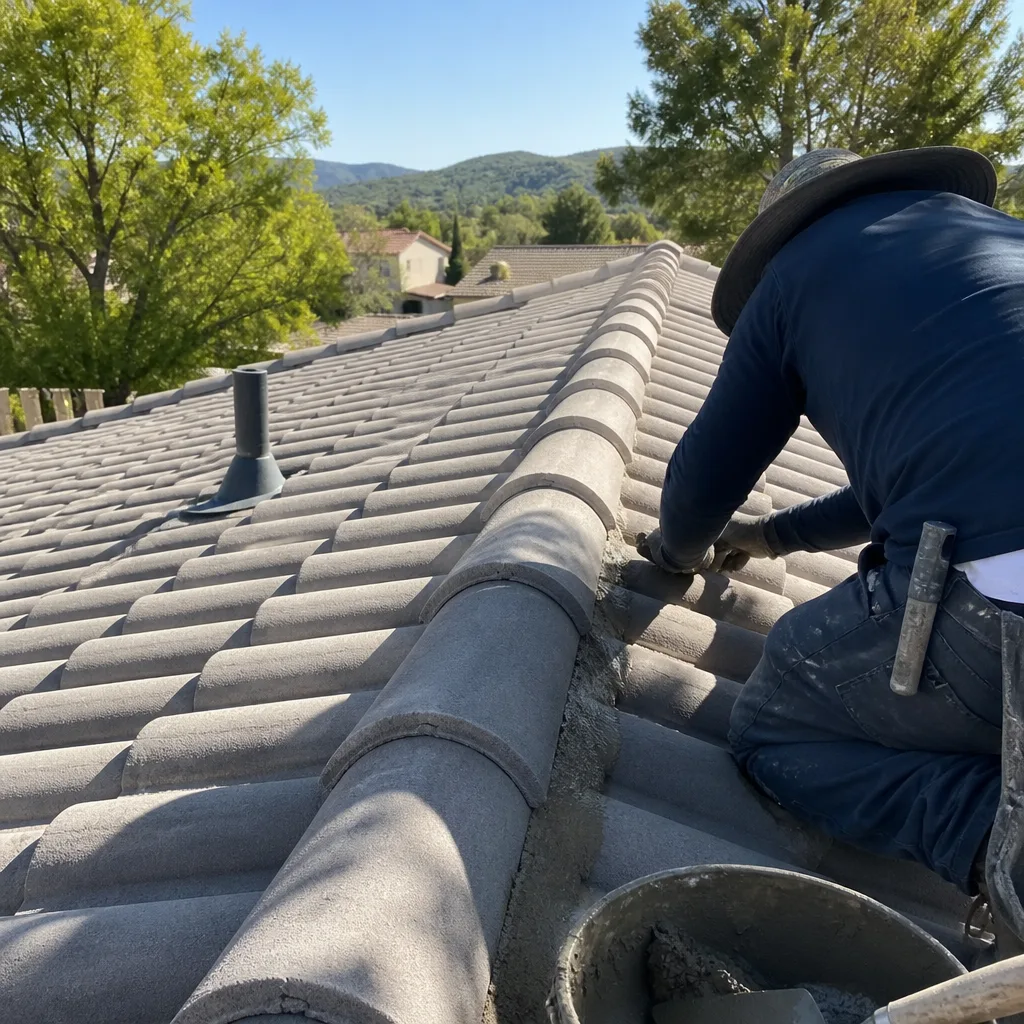 After
After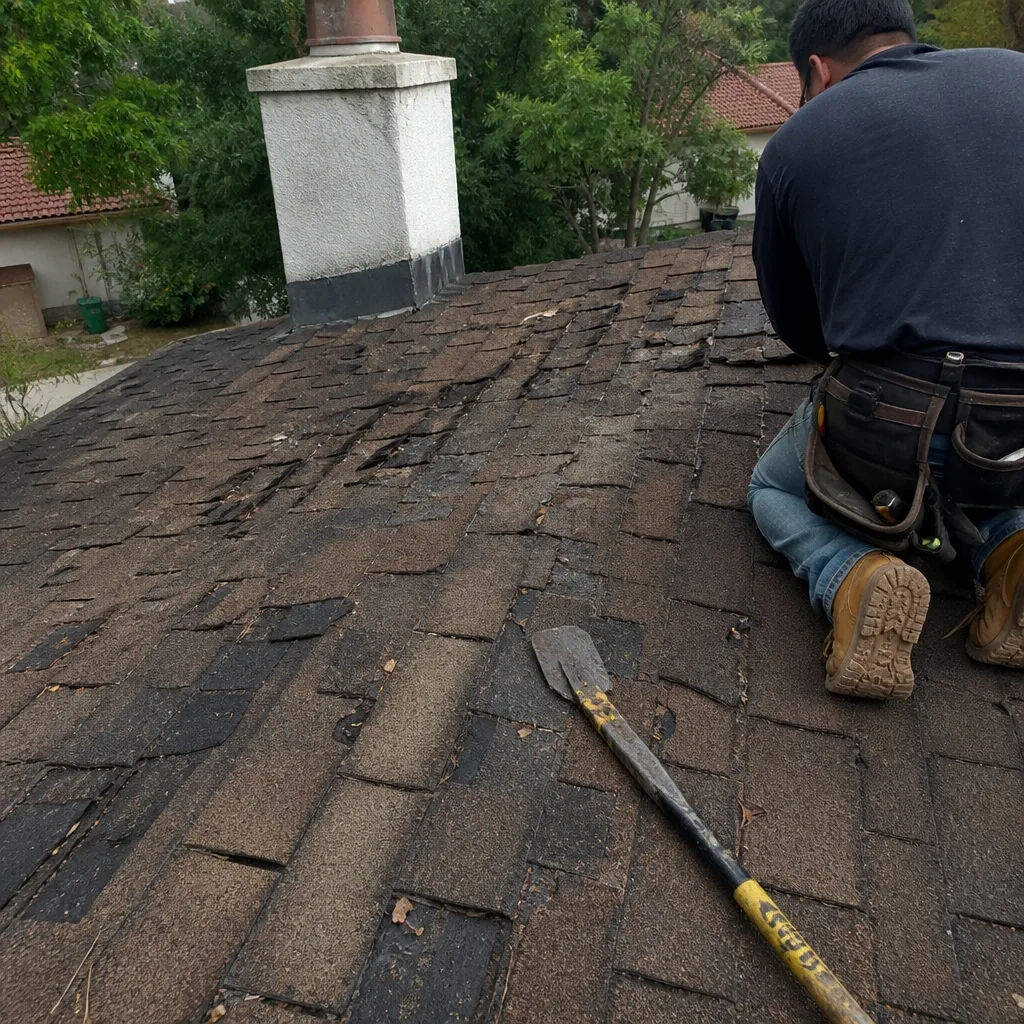 Before
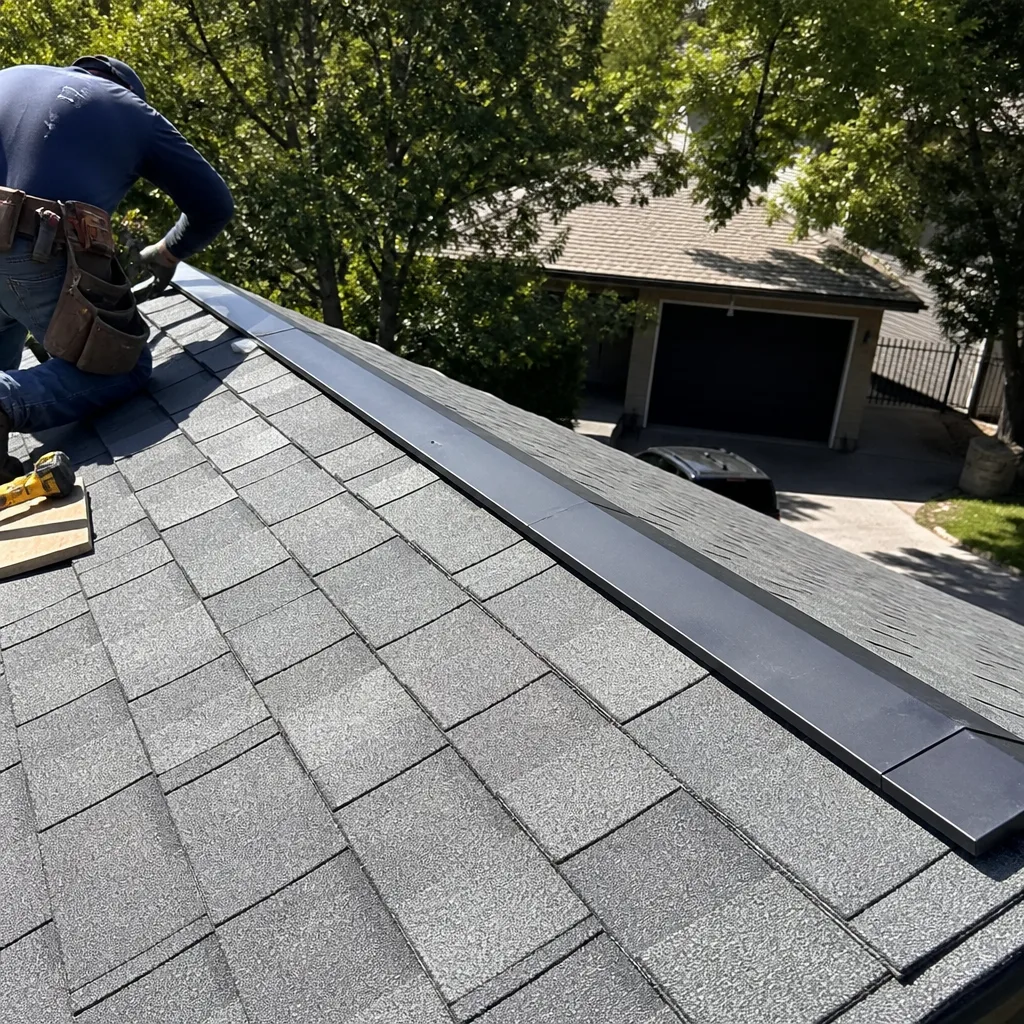 After
After