
Last updated October 17, 2026
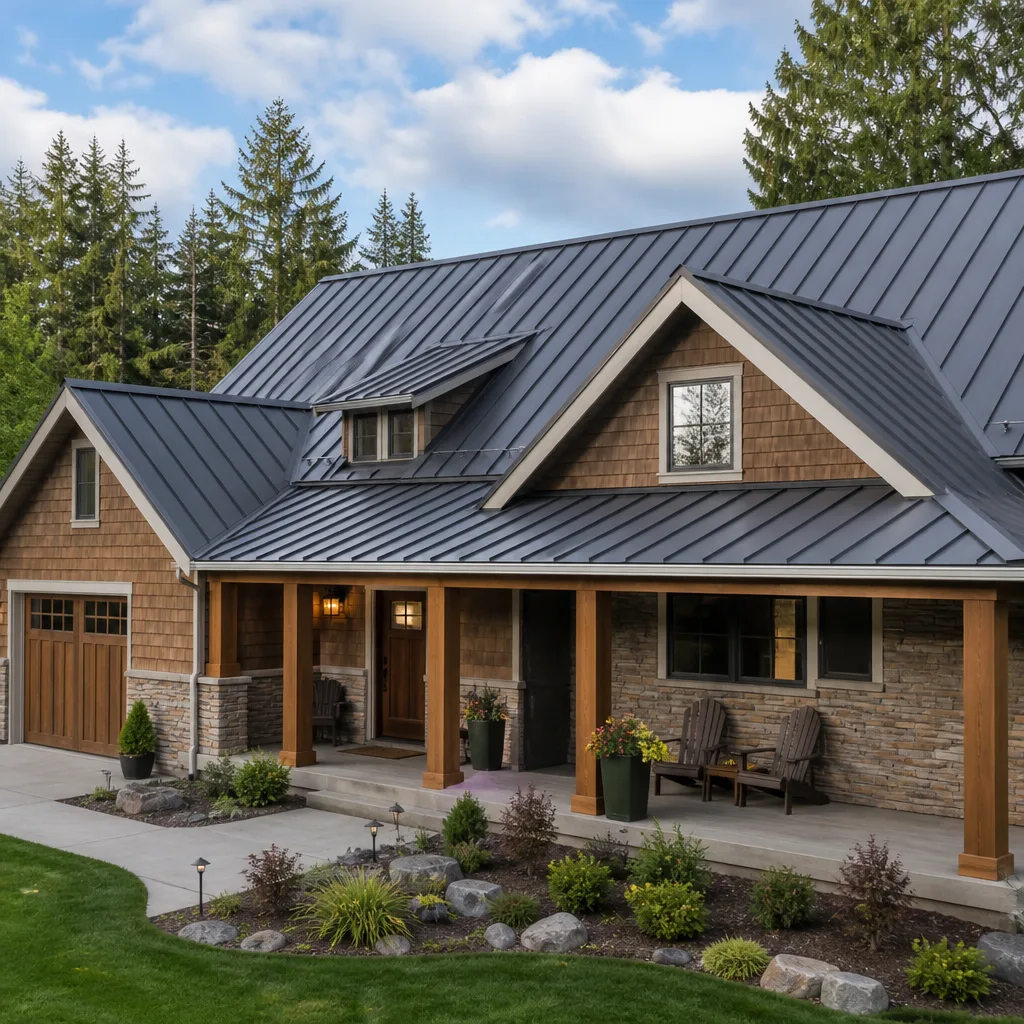 Metal roofing
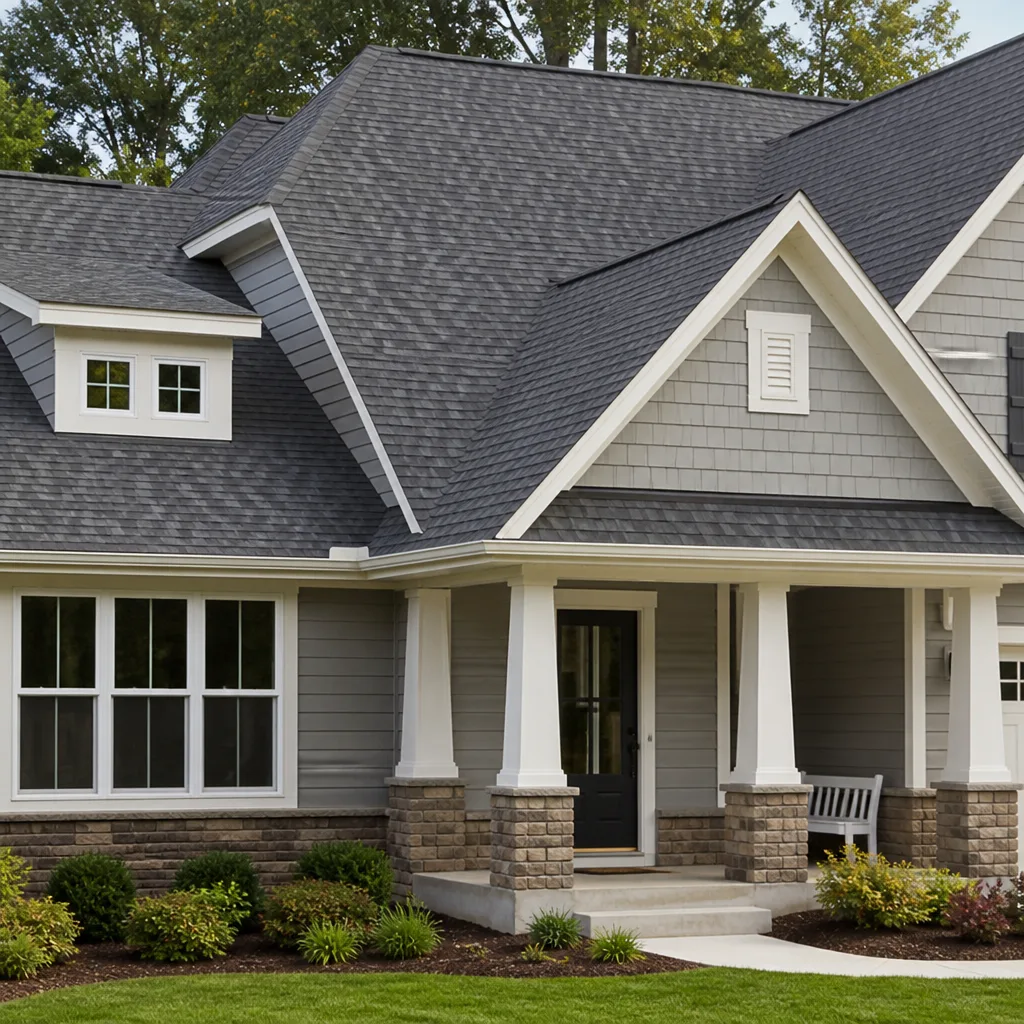 Architectural shingles
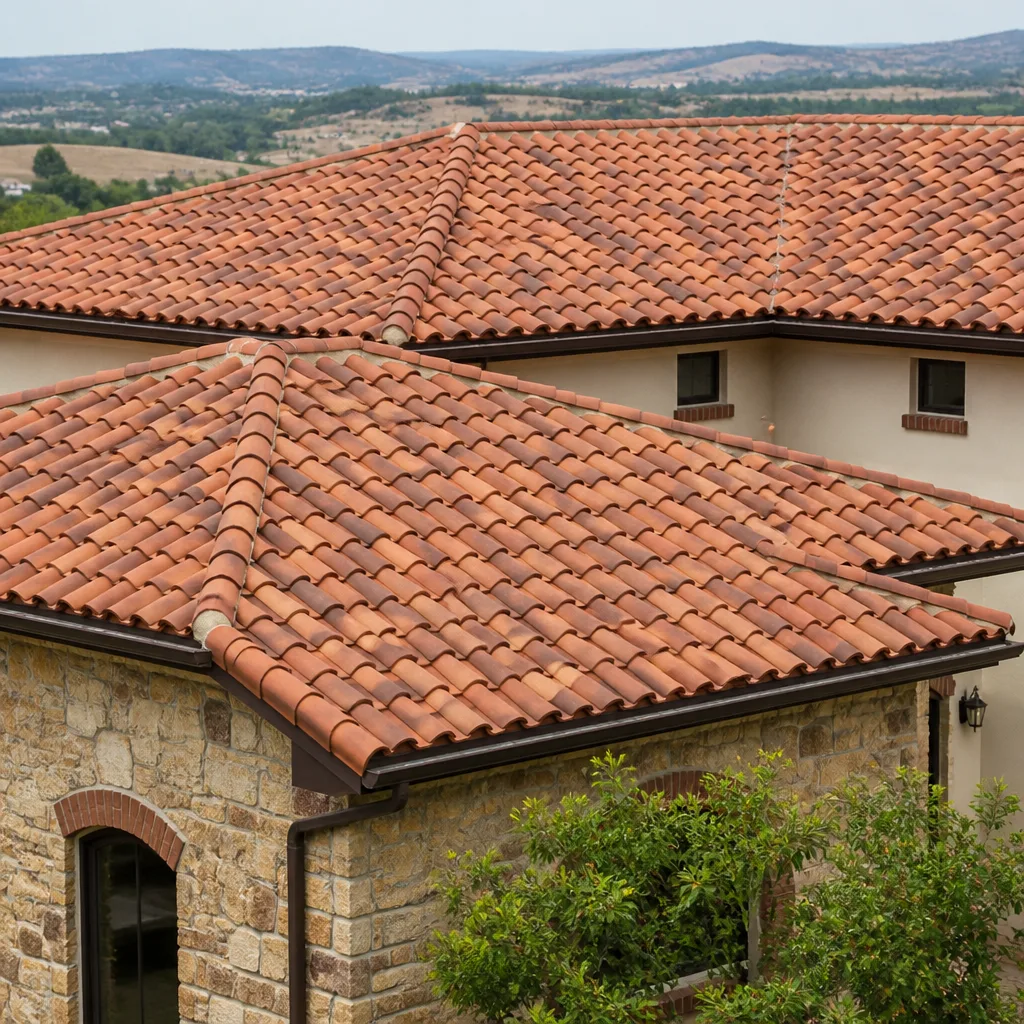 Tile roofing
 GAF
GAF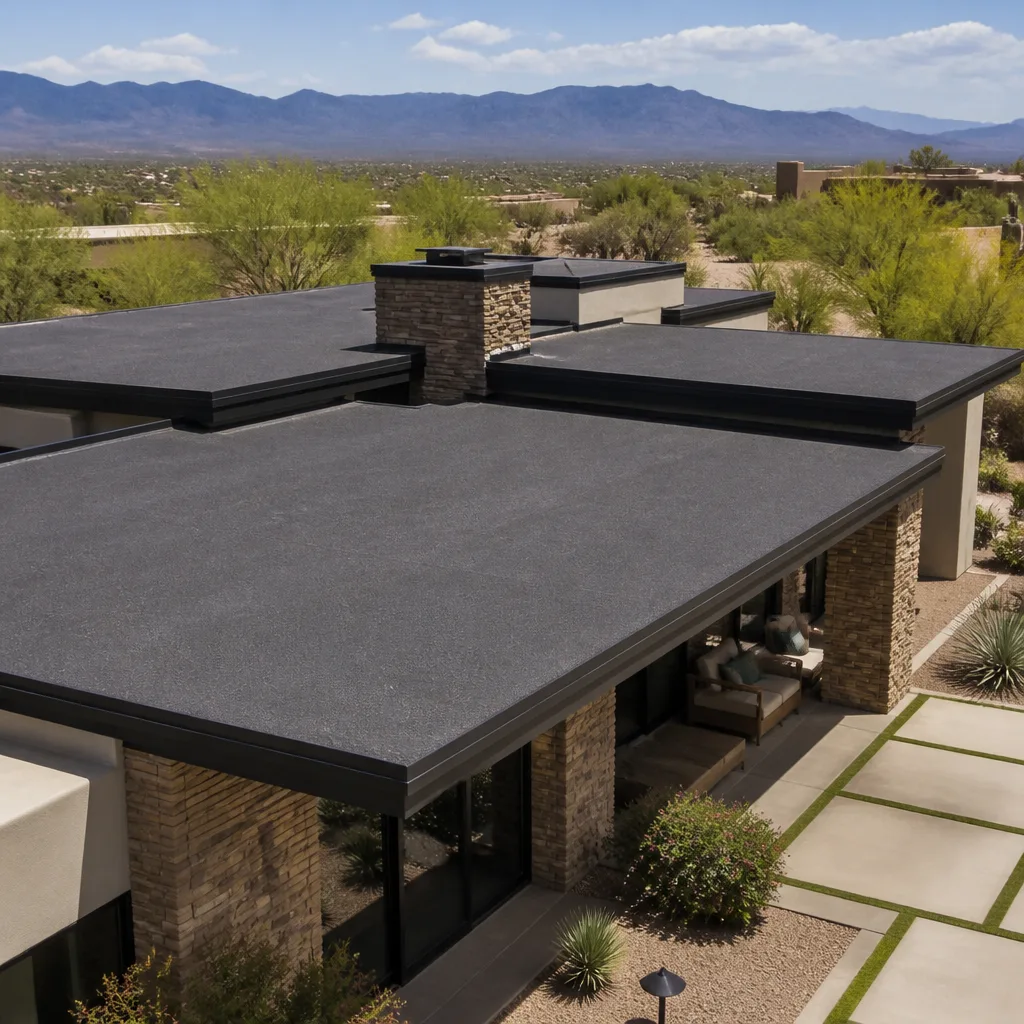 Flat & low-slope
Free roof inspection with deck photos before we talk money - GAF and Owens Corning certified installation
The Complete Guide to Roofing in Thousand Oaks
Thousand Oaks has a roofing problem most guides never mention: this city is not coastal California. At 800 to 1,200 feet of elevation, with Santa Ana corridors funneling 60-plus mph gusts through the Conejo Valley, a roof here endures thermal shock, UV degradation, and wind uplift that a San Diego roof never sees. This guide covers what actually fails on Thousand Oaks roofs, what it costs to fix, which materials hold up under our specific conditions, and how the city’s permit and fire-zone rules shape every roofing decision you’ll make. For more guides & resources, visit our blog.
Quick Answer
Roofing in Thousand Oaks requires materials rated for high UV exposure, Santa Ana wind gusts over 60 mph, and the city’s Wildland-Urban Interface fire requirements in neighborhoods like Lang Ranch and Dos Vientos. A typical asphalt shingle roof lasts 18 to 22 years here, concrete tile lasts 40 to 60 years, and most homeowners pay between $9,500 and $28,000 for a full roof replacement depending on material, roof complexity, and whether the decking needs repair. Permits are mandatory for structural roof work in Thousand Oaks and typically cost $300 to $600, with approval taking 1 to 3 weeks.
Styles & brands we work with
Table of Contents
- Why Thousand Oaks Weather Is Harder on Roofs Than Coastal California
- Thousand Oaks Fire Zone Requirements and HOA Rules
- Roofing Materials That Actually Last in Thousand Oaks
- What Roofing Costs in Thousand Oaks: Real Price Ranges
- Thousand Oaks Roofing Permits: Costs, Timelines, and What Happens If You Skip Them
- How to Read a Roofing Estimate So You Don’t Overpay
- Common Mistakes to Avoid
- When to Call a Professional
- Frequently Asked Questions
Why Thousand Oaks Weather Is Harder on Roofs Than Coastal California
Thousand Oaks sits in the Conejo Valley at elevations ranging from roughly 800 feet near the 101 corridor to over 1,200 feet in the hills above Westlake and Newbury Park. That elevation matters more than most people realize. Coastal cities like Ventura and Santa Monica get marine layer mornings and moderated temperatures. We get the same summer sun without the fog buffer, which means roof surfaces in Thousand Oaks regularly hit 140 to 160 degrees in July and August. Then October arrives and the Santa Anas start.
Santa Ana wind events in Thousand Oaks are not gentle. Gusts routinely exceed 60 mph in the canyons and ridgelines, and they arrive from the northeast after months of dry heat. What homeowners see: lifted shingle tabs, torn flashing at roof-to-wall intersections, and granule loss that shows up as dark streaks in gutters. What’s happening underneath: the adhesive strips on asphalt shingles that sealed during installation get baked brittle by UV, then a Santa Ana gust finds the edge and peels it back. Once one shingle lifts, wind gets under the field and the damage compounds fast.
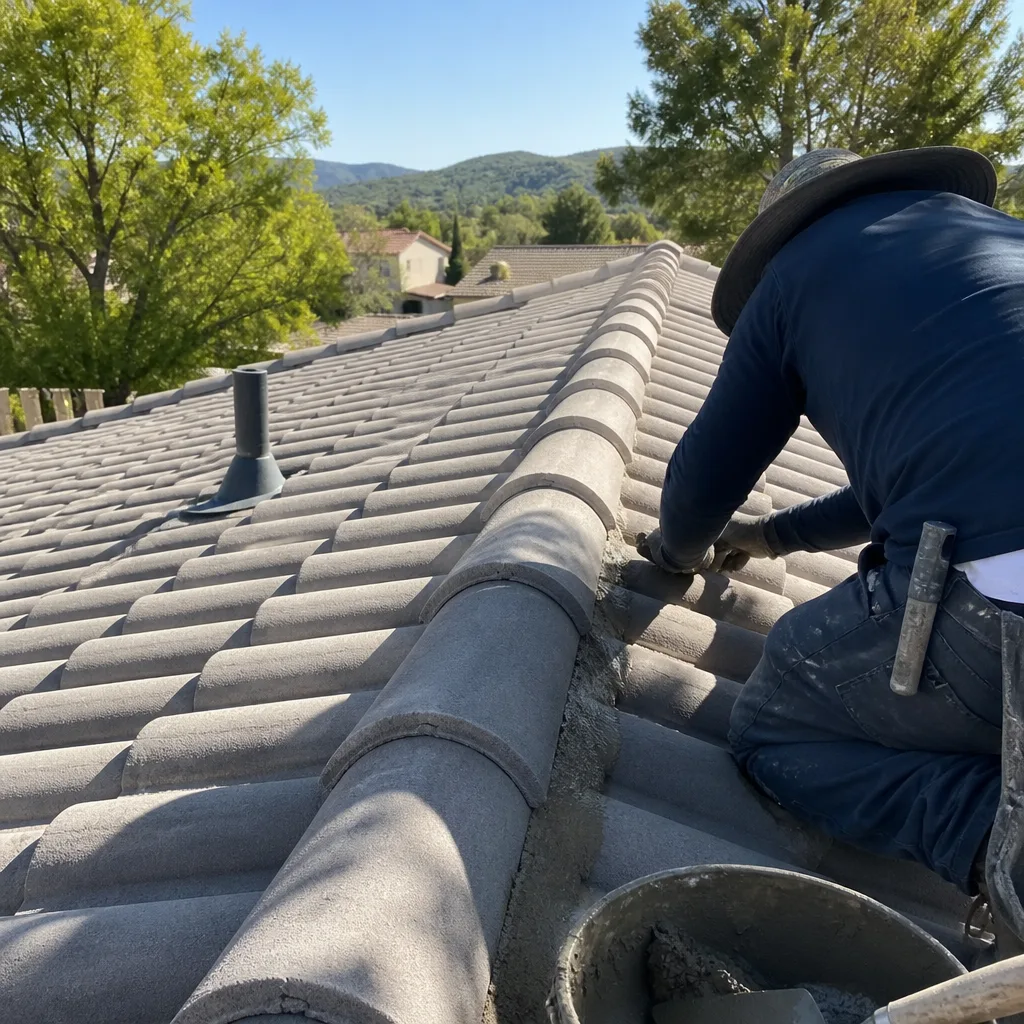
We also get freeze cycles in the winter, especially in the hill neighborhoods like Hidden Valley, Wildwood, and the northern slopes of the Lang Ranch area. A tile roof that sits at 28 degrees overnight and then 65 degrees by noon goes through daily expansion and contraction. Over decades, that thermal cycling loosens fasteners, cracks mortar at hips and ridges, and slowly unseats tiles on west-facing slopes that get the most afternoon sun.
The practical takeaway: a roof that would last 25 years in Camarillo often lasts 18 to 22 in Thousand Oaks because the UV load, wind exposure, and thermal swing are all working against it at once. Material choice and installation quality matter more here than almost anywhere else in Southern California.
Thousand Oaks Fire Zone Requirements and HOA Rules
Thousand Oaks has significant Wildland-Urban Interface zones, particularly along the northern and eastern edges of the city where neighborhoods back up to open space: Dos Vientos, Lang Ranch, parts of Newbury Park, and the hills above Lynn Road. Under California Building Code Chapter 7A, homes in these zones must use roofing assemblies tested for fire resistance, which usually means a Class A roof covering. Asphalt composition shingles from manufacturers like GAF, Owens Corning, and Atlas are all available in Class A rated lines. Concrete and clay tile, certain metal profiles, and some cool-roof membranes also meet the standard.
What catches homeowners off guard is the HOA layer. Many Thousand Oaks HOAs, especially in master-planned communities like Dos Vientos and Lang Ranch, have aesthetic requirements that exceed city code. An HOA may require a specific tile profile, a certain color palette approved by the architectural committee, or even a specific manufacturer. This is the difference between replacing your roof with whatever’s cheapest and replacing it with what the HOA will actually approve. If you’re weighing your options, see our DIY vs Professional Roofing: The Thousand Oaks Homeowner’s Decision Guide. The city won’t stop you for the wrong color, but the HOA absolutely can, and they can force a redo if the work was done without their sign-off.
Here’s the order of operations we recommend for Thousand Oaks homeowners:
- Check whether your home is in a Chapter 7A Wildland-Urban Interface zone using the city’s online mapping tool or by calling the Building Division.
- Pull your HOA’s CC&Rs and look for the roofing section specifically. If you’re in a community with an architectural review committee, confirm what they need: samples, drawings, color photos, or all three.
- Get HOA written approval before signing a roofing contract. Reputable contractors in Thousand Oaks will wait for it. Anyone who tells you to skip it is creating a lien risk for you, not for them.
- Confirm the contractor will pull the city permit and schedule the required inspections. The permit is your protection; the inspection is your proof the work meets current code.
Roofing Materials That Actually Last in Thousand Oaks
Thousand Oaks has four dominant roofing materials: concrete tile, clay tile, asphalt shingles, and cool-roof membranes. Each performs differently under our specific conditions, and “California average” lifespan estimates mislead homeowners who live here.
Concrete Tile
Concrete tile is the most common roofing material in Thousand Oaks, visible across Spanish Hills, Sunset Hills, and the older Rancho Conejo tracts. Real-world lifespan here is 40 to 60 years, with the tile itself often outlasting the underlayment underneath it. The underlayment is the hidden variable. Most concrete tile failures in Thousand Oaks are not cracked tile; they’re deteriorated paper or synthetic underlayment that failed after 20 to 30 years of heat. When we do a tile roof restoration, we’re often replacing underlayment and reusing the tile itself, which saves thousands compared to a full new-tile install. Brands like Eagle Roofing, US Tile, and Boral dominate the market. Expect to pay $18 to $35 per square foot installed, depending on tile profile and whether the decking needs work.
Clay Tile
Clay tile is the premium option and common in higher-end custom neighborhoods like Rolling Oaks and parts of Lang Ranch. Lifespan is 50 to 80 years for the tile itself. Clay handles Thousand Oaks UV extremely well, holds its color, and meets every fire standard. The trade-offs: it’s heavier, more expensive ($22 to $45 per square foot installed), and requires a structural check before install. Some Thousand Oaks homes built before the 1980s were not framed for the weight of clay tile, and adding it without a structural upgrade is a code violation.
Asphalt Shingles
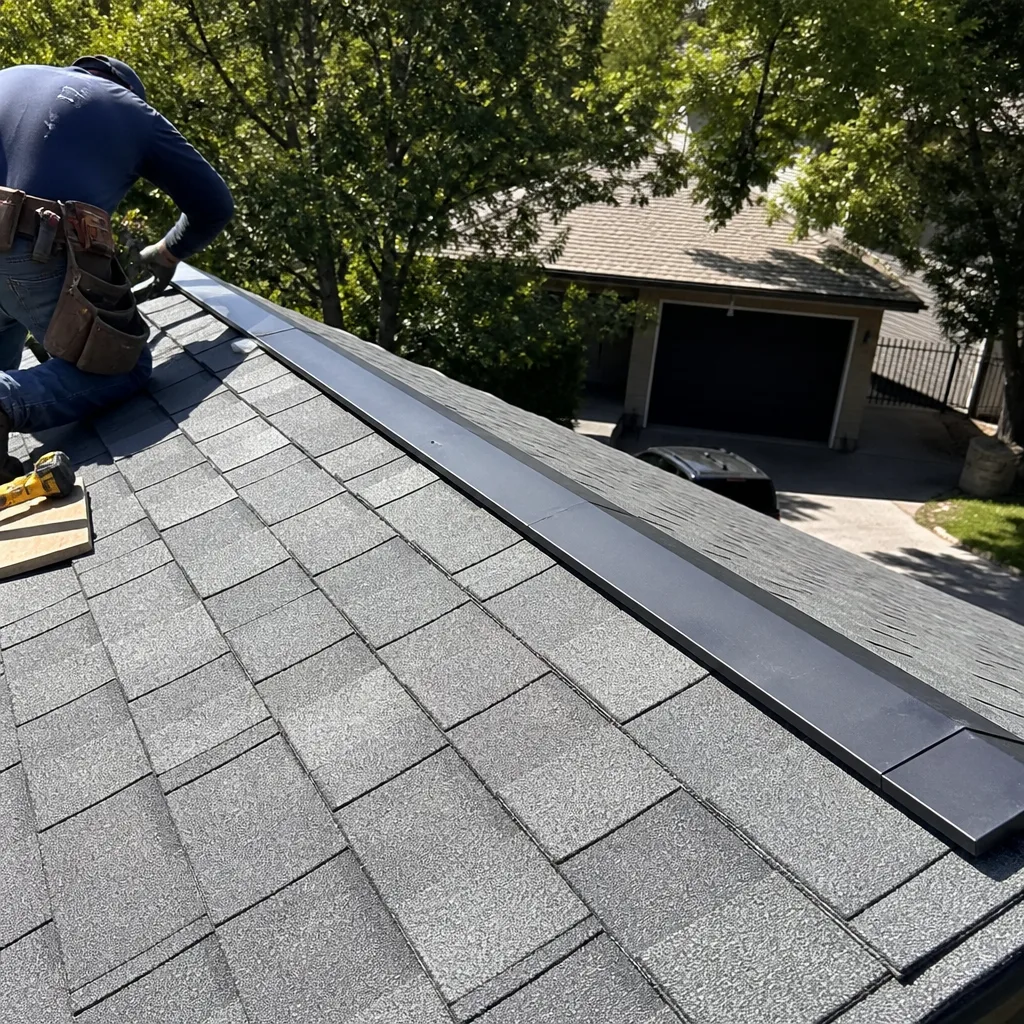
Asphalt architectural shingles from GAF, CertainTeed, Owens Corning, IKO, Atlas, and Tamko are the workhorse of Thousand Oaks residential roofs, especially in the more affordable Rancho Conejo and Newbury Park tracts. Under Thousand Oaks UV exposure and Santa Ana wind, expect 18 to 25 years from a quality architectural line. Three-tab shingles last less, often 12 to 15 years here, because the thinner profile can’t handle the thermal stress and wind tear risk the same way architectural lines can. Cost runs $5 to $9 per square foot installed. The single most important installation detail for shingle roofs in Thousand Oaks is the fastening schedule: six nails per shingle, not four, on wind-exposed slopes. We also recommend synthetic underlayment instead of felt, because it holds up far better under the heat and stays watertight if a shingle does lift during a wind event.
Cool Roof Membranes
On flat or low-slope roofs, which appear on some Thousand Oaks commercial buildings and a handful of mid-century residential designs, TPO and PVC cool-roof membranes are the standard. Expect 20 to 30 years. The white reflective surface reduces attic temperatures by a measurable amount during our summer heat waves, and the material handles ponding water acceptably if the slope is adequate. Installed cost runs $6 to $11 per square foot.
What Roofing Costs in Thousand Oaks: Real Price Ranges
Roofing prices in Thousand Oaks run higher than the national average, and you should budget for that reality before calling for estimates. Labor costs in the Conejo Valley are strong, disposal fees at the Thousand Oaks transfer station or Simi Valley landfill are real, and the city requires certain upgrades that cheap bids omit. Here are the honest price ranges for a standard 2,000-square-foot single-story Thousand Oaks home.
- Full asphalt shingle replacement: $9,500 to $18,000, including tear-off, disposal, synthetic underlayment, new flashing, and permit. Architectural lines like GAF Timberline or Owens Corning Duration.
- Concrete tile replacement (full new tile): $22,000 to $45,000 for a standard S-tile or flat-profile install.
- Concrete tile restoration (underlayment only, tile reused): $12,000 to $25,000 depending on roof complexity, number of flashings, and decking condition.
- Clay tile replacement: $28,000 to $55,000. Structural check required before contract, which may add $500 to $1,500 for engineering if an upgrade is flagged.
- Flat/low-slope TPO membrane: $8,000 to $16,000 depending on insulation condition and parapet detail work.
- Localized roof repair: $350 to $1,800 for typical Thousand Oaks jobs: a lifted shingle section after a Santa Ana, a flashing leak at a chimney, or a punctured tile from a falling branch.
- Skylight replacement or reseal: $600 to $2,500 including curb work.
Every Mercer Roofing Co Thousand Oaks project begins with a written price before any work starts. No change orders, no surprise line items, no “we found something while we were up there” games. The price we put in writing is the price on the invoice.
Thousand Oaks Roofing Permits: Costs, Timelines, and What Happens If You Skip Them
All structural roofing work in Thousand Oaks requires a building permit from the City of Thousand Oaks Building Division. Re-roofing, tile underlayment replacement, and any repair that involves replacing sheathing or altering the roof structure qualify as structural. Simple repairs like replacing a few shingles or resealing a pipe boot generally do not require a permit, but the line is defined by what’s being changed, not by what a contractor says.
The permit cost for a residential re-roof in Thousand Oaks typically runs $300 to $600, calculated on the project valuation. The plan review for a straightforward like-for-like re-roof is usually 1 to 2 weeks. If you’re changing material type (say, going from asphalt to tile), expect a structural verification step, which can add another week or two. The city requires a final inspection, and inspectors verify nailing patterns, underlayment, flashing, and ventilation against current code. Skipping the permit saves a few hundred dollars up front but creates a disclosure problem when you sell: you’ll be asked whether work was permitted, and an unpermitted roof is a negotiator’s leverage against you. It can also void manufacturer warranties from IKO, Atlas, and Tamko, all of whom require code-compliant installation as a warranty condition.
Contractors who tell you the permit is optional in Thousand Oaks are wrong. The city has been consistent on this for decades. A legitimate roofing company in Thousand Oaks will pull the permit as a matter of course and include the line item in the estimate.
How to Read a Roofing Estimate So You Don’t Overpay
A roofing estimate from a legitimate Thousand Oaks contractor should itemize at minimum four separate line items: labor, materials, disposal, and permit. For help finding the right pro, read our How to Hire a Roofing Contractor in Thousand Oaks: A Step-by-Step Guide. If an estimate is a single number with no breakdown, you’re not looking at a bid; you’re looking at a guess, and guesses become change orders later. Here’s what each line item should include and how to tell if it’s honest.
- Labor: Should specify crew size, estimated duration in days, and whether the rate includes supervision. On a typical 2,000-square-foot re-roof, a 4-6 person crew should take 2-4 days for shingles or 5-7 days for full tile replacement.
- Materials: Must name the specific product, not just “asphalt shingle.” A bid that says “30-year architectural shingle” without a manufacturer and line name is vague by design. You want to see GAF Timberline HDZ, Owens Corning Duration, IKO Dynasty, or similar. Material quantities should be listed: squares of shingles, linear feet of ridge cap, rolls of underlayment, pieces of flashing.
- Disposal: Should include dump fees, hauling, and a timeline for pickup. Some contractors underbid this line then leave a dumpster in your driveway for three weeks. Specify dumpster placement and pickup window in the contract.
- Permit: Should appear as a separate line item with the actual city cost and a modest processing amount. If there’s no permit line, ask if the permit is included or “handled separately.” That’s the phrase that usually precedes an unpermitted job.
What’s missing from most estimates: the decking contingency. Your roof deck may have sections of rotted or delaminating plywood that won’t pass inspection. A good estimate will state the cost per 4×8 sheet if decking replacement is needed, so you know the worst-case number before work starts. Mercer Roofing includes that number in every roof installation in Thousand Oaks quote, because we’d rather you know it now than be surprised by it later.
Common Mistakes to Avoid
- Choosing material by price alone. The cheapest asphalt line will fail in 12 to 15 years under Thousand Oaks UV, while a quality architectural shingle costs about 30 percent more installed and lasts 18 to 25. Cheap now is expensive twice.
- Skipping the underlayment conversation. Underlayment is the waterproofing layer between your deck and your roof covering. In Thousand Oaks, felt paper degrades faster than synthetic, and a felt bid is a sign the contractor is cutting cost where it hurts most.
- Ignoring HOA approval requirements. In Dos Vientos, Lang Ranch, and other master-planned communities, installing non-HOA-approved tile or shingle color can trigger a redo at your expense. Confirm written approval first.
- Allowing a contractor to skip the permit. Thousand Oaks inspectors catch unpermitted re-roofs, and the city can issue a stop-work order mid-project. You’ll end up paying the permit anyway, plus a fine.
- Not asking who will be on the property. Every technician who works on a Mercer Roofing roof has passed a background check, carries a photo ID badge, and arrives in a clean, marked uniform. We send you their name and photo before they arrive, because you should know exactly who’s coming onto your property.
- Accepting verbal guarantees. A verbal guarantee is not a guarantee. The Mercer 365-Day Done Right Promise is written on every repair, and if the work isn’t right within a year, we make it right. If a contractor won’t put the guarantee in writing, ask why.
When to Call a Professional
Call a roofer when you see raised shingle tabs after a Santa Ana event, dark ceiling stains near skylights or chimneys, granules collecting in gutters, or cracked and shifting tiles on west-facing slopes. Call when your roof hits the 15-year mark and has never been inspected, even if nothing looks wrong from the ground. Our Roof Repair Maintenance Checklist for Thousand Oaks Homeowners can help you stay ahead of problems. Call before you list the home, because a pre-listing roof inspection in Thousand Oaks costs less than the price concession a buyer will demand for visible roof wear. And call if you simply want to know where your roof stands; a thorough inspection with photos costs nothing at inspection level and tells you what’s urgent, what’s coming, and what can wait. Mercer Roofing Co Thousand Oaks offers free estimates in Thousand Oaks. Call (805) 309-3314 and a live person answers, no voicemail, no call-back form.
Frequently Asked Questions
A full asphalt shingle roof replacement on a standard Thousand Oaks home runs $9,500 to $18,000. Concrete tile replacement runs $22,000 to $45,000, and clay tile starts around $28,000. These Thousand Oaks prices include tear-off, disposal, materials, flashing, underlayment, and permit. Call (805) 309-3314 for a written, line-item quote for your specific roof; estimates are free.
Yes. All structural re-roofs in Thousand Oaks require a building permit from the Building Division, and a final inspection is mandatory. The permit costs roughly $300 to $600 depending on valuation. Simple repairs like replacing a few shingles typically don’t require one, but any contractor who says a full replacement doesn’t need a permit is steering you wrong.
Clay tile lasts longest in Thousand Oaks, typically 50 to 80 years. Concrete tile follows at 40 to 60 years, and quality architectural asphalt shingles from GAF, Owens Corning, or Atlas last 18 to 25 years under our UV and wind conditions. The material is only part of it; underlayment quality and fastening schedule matter just as much in this climate.
Santa Ana winds in Thousand Oaks reach 60-plus mph gusts in canyon and ridgeline areas. They lift shingle tabs, tear flashing at roof-to-wall intersections, and loosen tiles whose fasteners have already been weakened by daily thermal cycling. The damage compounds once wind gets under the roof field. An inspection after every significant Santa Ana event costs nothing and catches small issues before they become interior leak damage.
Yes. Homes in Thousand Oaks Wildland-Urban Interface zones, including parts of Dos Vientos, Lang Ranch, and Newbury Park, must meet California Building Code Chapter 7A fire-resistant roofing standards. Class A rated asphalt shingles, concrete tile, clay tile, and certain metal profiles all qualify. Your home’s specific zone status determines what’s required, and your HOA may add its own rules on top of the city’s.
An asphalt shingle replacement on a typical Thousand Oaks home takes 2 to 4 days with a 4-6 person crew. Full concrete tile replacement runs 5 to 7 days, and a tile underlayment restoration with tile reuse runs 4 to 6 days. The permit review before work begins adds 1 to 3 weeks. Weather delays rarely stop a job, but Santa Ana wind advisories can pause safe installation for a day or two; any roofer who ignores a high-wind advisory is risking your roof’s integrity.
The Bottom Line
Thousand Oaks roofs fail differently than roofs anywhere else in Southern California, because elevation, Santa Ana wind, thermal cycling, and fire-zone building codes all stack up here at once. The right roof for this city is material that meets Chapter 7A requirements (when applicable), underlayment that won’t deteriorate under 140-degree surface heat, and fastening designed for 60 mph gusts. A written estimate with separated line items, a real permit, and a written guarantee are not extras; they’re the floor of what a legitimate Thousand Oaks roof job looks like. If your roof is approaching 15 years or has visible wear after recent wind events, start with an inspection and a written quote. You’ll know exactly what you’re working with before you spend a dollar.
Written by Grant Whitlock, Owner at Mercer Roofing Co Thousand Oaks, serving Thousand Oaks since 2000.
For a free roofing estimate in Thousand Oaks, call (805) 309-3314. Or visit the Mercer Roofing Co Thousand Oaks home page to see what we do, or read more about roof repair in Thousand Oaks specifically.
See the difference
 Before
 After
After Before
 After
After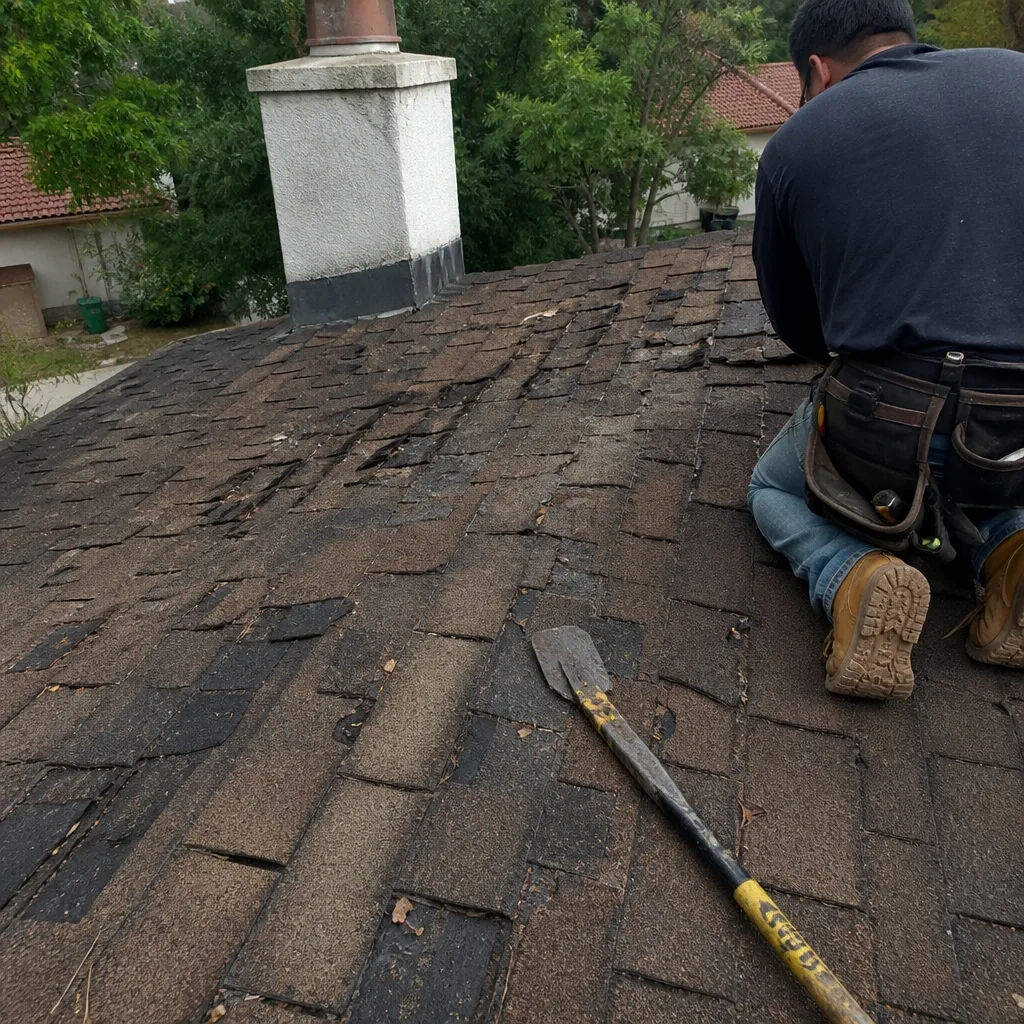 Before
 After
After